
Article: Bamboo Product Growth and Better Washroom Supply
Bamboo Product Growth and Better Washroom Supply
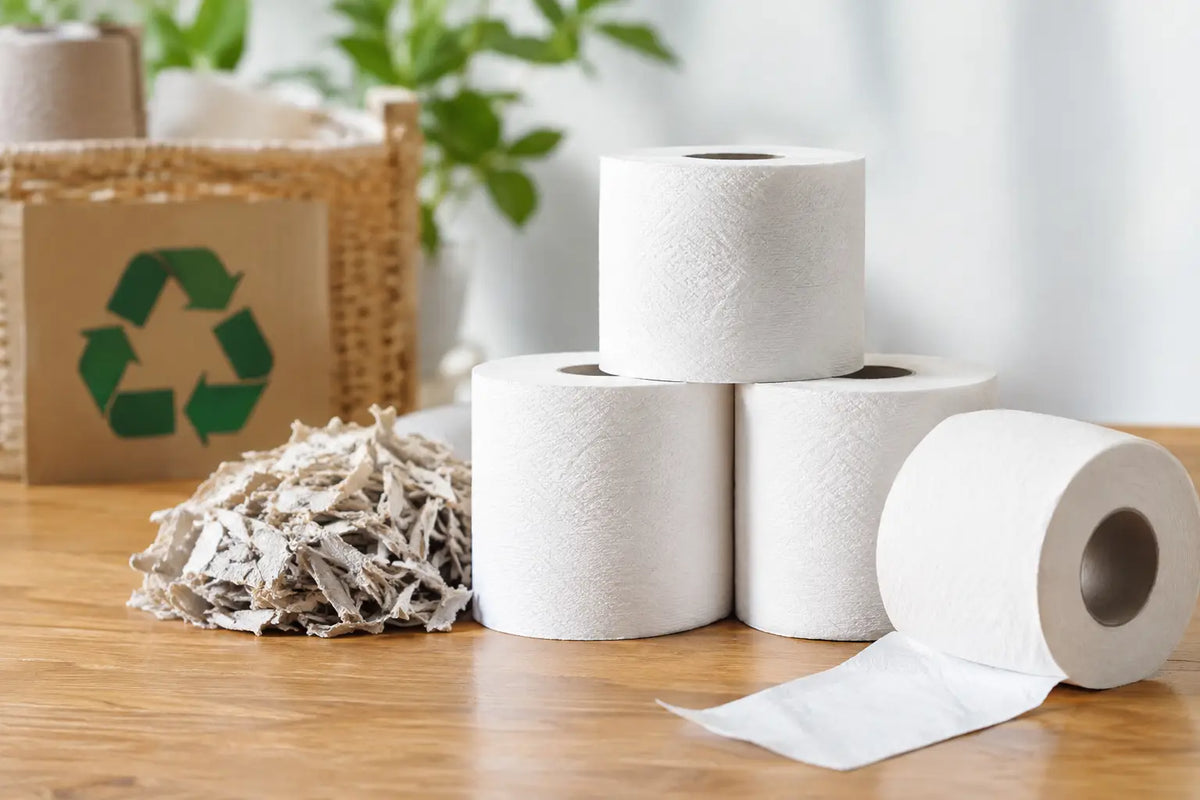
A carton of toilet paper is rarely a headline item in a household budget or facilities meeting. Yet bamboo product growth is making buyers look more closely at what sits in every washroom cupboard, cleaner’s trolley and hotel storeroom. The appeal is clear: a fast-growing plant, soft paper products and a practical way to reduce reliance on conventional tree-based fibres. The better question is not whether bamboo is popular. It is whether a particular bamboo product performs, suits the site and represents genuine value over repeat orders.
For Australian households and organisations, that distinction matters. A lower-impact choice only works when stock arrives on time, the paper feels fit for purpose and the carton price makes sense across the year.
Why bamboo product growth is gaining attention
Demand for bamboo toilet paper, tissues and hand towels has grown alongside a wider shift in everyday purchasing. People want their regular essentials to reflect the environmental standards they apply elsewhere, but they do not want to compromise on hygiene, comfort or reliability. Offices still need dispensers filled before a busy week. Hospitality venues still need guest-ready bathrooms. Families still need a product that lasts.
Bamboo has strong practical appeal because it is a rapidly renewable grass rather than a slow-growing hardwood tree. When responsibly sourced and made with care, it can be a useful fibre option for paper products. It also gives buyers a clear alternative when they are reviewing the environmental footprint of high-use consumables.
Commercial buyers are helping drive this change. A property manager may order paper products by the carton, not the roll, and see the cumulative impact of an ongoing switch. A café or accommodation provider may want washroom supplies that support its sustainability message without giving guests a noticeably inferior experience. For homes, the decision is often simpler: convenient delivery, dependable quality and a product that aligns with personal values.
Still, popularity should not be confused with proof. Bamboo product growth creates more choice, which makes informed comparison more valuable.
Bamboo is not automatically the best option
“Bamboo” describes the primary fibre, not the complete environmental story. The outcome depends on where and how the bamboo is grown, how the pulp is processed, the energy used in manufacturing, packaging choices and the distance products travel before reaching Australia.
For buyers, this is a reason to ask better questions rather than dismiss the category. Look for clear material information and credible environmental certification where available. Certification can help show that fibre sourcing has been independently assessed, while recycled-content products can also be a strong choice for particular needs. There is no single answer for every washroom.
A high-traffic office, for example, may prioritise high sheet count, dispenser compatibility and low maintenance. A boutique accommodation venue may place more weight on softness, presentation and guest comfort. A household with limited storage may prefer a smaller pack delivered regularly, while a cleaning contractor may benefit from cartons that reduce reordering time.
The most responsible product is one that is used efficiently and purchased consistently, not one that sounds impressive but creates waste, runs out too quickly or fails to suit the dispenser.
Softness, strength and sheet count all matter
The early bamboo paper market often came with a perception that sustainable meant rough or thin. That is no longer a fair assumption, but quality does vary between products. Fibre blend, ply, embossing and manufacturing standards all affect how toilet paper or hand towels feel and perform.
Softness matters most in facial tissues and guest-facing toilet paper. Strength matters when paper is used heavily or when hand towels need to dry hands effectively without excessive dispensing. Sheet count is equally important because an apparently cheaper pack can be poor value if rolls are smaller or need replacing sooner.
When comparing options, assess like for like. Compare roll length, number of sheets, ply and total carton quantity rather than focusing only on the price printed beside a pack. For commercial sites, it is also worth tracking how often staff replace rolls or refill dispensers. That labour cost can change the value equation.
Dispensing compatibility can decide the outcome
A quality bamboo hand towel is not helpful if it jams in an existing dispenser. The same is true for jumbo toilet rolls, interleaved towels and centrefeed systems. Before changing supply, check the product dimensions, core size, fold style and recommended dispenser format.
This is particularly relevant for offices, schools, hospitality venues and shared facilities, where an unsuitable product creates frustration for both users and cleaning teams. A small trial order can be sensible before moving an entire site to a new format. It gives staff a chance to assess absorption, fit, usage rates and customer response under normal conditions.
Turning bamboo product growth into a smarter purchase
The best buying decisions combine sustainability intent with operational detail. Start with the room and the people using it. A premium tissue range may be right for reception areas and hotel rooms, while a strong, economical hand towel may better suit a warehouse washroom. Matching product quality to the setting avoids both overpaying and underdelivering.
Next, consider ordering patterns. Bulk buying can reduce the risk of running short and lower the frequency of deliveries, particularly for businesses with predictable demand. It does require storage space and sensible stock rotation. In a small apartment or compact café, buying more than can be stored cleanly and dryly is not a win.
For larger sites, calculate typical usage across a month or quarter. Include toilets, kitchens, staff rooms and public facilities rather than ordering each category separately at the last minute. A reliable supply plan reduces emergency purchases, which are often more expensive and less considered.
It also helps to separate essential claims from nice-to-have marketing. Product information should make it easy to understand the material, pack size, intended use and available environmental credentials. Broad claims without detail deserve a closer look. Clear specifications support fair comparison and make procurement easier to explain to colleagues, tenants or customers.
Value is more than the carton price
Price matters. It should. Washroom consumables are recurring costs, and responsible purchasing has to work within real household and business budgets. But the lowest upfront figure does not always deliver the best price over time.
Consider the total cost of use: how long the product lasts, how much users need each time, whether it reduces refill frequency, whether it fits existing equipment and whether deliveries are dependable. A stronger towel that helps people use less can be better value than a thinner towel used in large handfuls. A roll that lasts longer can reduce maintenance interruptions in a busy venue.
This is where bulk supply has a practical advantage. Ordering a suitable carton quantity creates consistency for staff and users, makes forecasting easier and can reduce the temptation to choose a poor substitute when shelves are empty. The aim is not to buy the largest quantity possible. It is to buy the right quantity at the right quality level for the site.
For organisations with sustainability targets, record the change as part of normal procurement reporting. Track product type, cartons ordered, usage patterns and any relevant fibre or certification information supplied by the manufacturer. This keeps environmental commitments connected to measurable purchasing decisions rather than one-off announcements.
A practical standard for responsible washrooms
Bamboo paper products can be a worthwhile part of a lower-impact washroom strategy, especially when they are paired with sensible use, reliable supply and clear sourcing information. They are not a replacement for reducing unnecessary waste, choosing the right dispenser or managing stock properly.
The strongest approach is straightforward: select quality products suited to the setting, order enough to avoid supply gaps and look beyond the label to understand what is being purchased. For buyers who want everyday essentials to support a broader positive impact, Washroom Essentials offers a practical way to keep bathrooms stocked while keeping sustainability in the purchasing conversation.
A well-run washroom does not need grand gestures. It needs paper products that work every day, arrive when needed and help each purchase reflect the standards you want your home or organisation to stand for.