

Certified Paper Sourcing for Smarter Washrooms
A busy washroom rarely gets noticed when it is working well. Toilet paper is stocked, hand towels are ready, dispensers suit the space, and cleaners are not chasing last-minute cartons. Certified paper sourcing helps make that reliability possible while giving households and organisations a clearer way to consider the environmental impact behind the products they use every day.
For office managers, hospitality operators, cleaners and household buyers, the goal is not to make purchasing complicated. It is to choose quality paper goods that perform properly, arrive when needed and support responsible forestry or recycled-material systems. The strongest purchasing decisions balance certification, product suitability, price and a dependable supply plan.
What certified paper sourcing actually means
Certified paper sourcing means selecting paper products made with materials that have been independently assessed against recognised environmental or responsible-forestry standards. In practical terms, this may involve paper from responsibly managed forests, recycled fibre with verified content, or products carrying a certification that supports better forest management and traceability.
FSC certification is one of the best-known examples. It is designed to support responsible forest management and supply-chain controls, helping buyers identify products connected to more carefully managed sources. Certification marks can apply to different claims, so it is worth reading the product description rather than assuming every logo means the same thing.
This matters because toilet rolls, facial tissues and hand towels are high-use consumables. A small office, café or family home may use them continuously, while hotels, schools, medical practices and commercial buildings can go through cartons at a much faster rate. Making a considered choice on a recurring purchase can have more value than making a one-off sustainable swap.
Certification is not a shortcut for judging all aspects of a product. It does not automatically tell you how soft a tissue feels, how quickly a hand towel absorbs water, whether a roll fits your dispenser, or how efficiently it can be delivered to your location. It is one meaningful part of a well-rounded buying decision.
Why certified paper sourcing matters for Australian buyers
Australian buyers are often managing competing priorities. A workplace needs consistent supplies without blowing the facilities budget. A venue needs products that feel presentable for guests. A household may want recycled or FSC-certified options but still expect comfort and value. Certified sourcing offers a practical framework for choosing products that align with these needs.
It also makes environmental commitments easier to demonstrate. For businesses, selecting certified paper products can support procurement policies, sustainability reporting or internal waste-reduction goals. For homes, it is a straightforward way to bring environmental consideration into an everyday purchase without changing routines.
There is a broader commercial benefit too. Reliable paper quality reduces waste caused by overuse, tearing or constant refilling. A hand towel that dries hands effectively may mean fewer sheets per use. A toilet roll with suitable sheet count and strength may last longer between changeovers. The best value is not always the lowest carton price. It is the option that works efficiently in the real washroom.
Start with the product, then assess the claim
A certification label is useful, but the product still has to suit its job. Begin by defining where and how the paper will be used. This prevents a common purchasing mistake: buying an environmentally preferable product that creates more cost or inconvenience because it does not fit the setting.
Toilet paper for homes, offices and high-traffic sites
For home bathrooms and smaller workplaces, comfort, roll length and sheet strength are usually the main considerations. Premium or hotel-quality toilet paper can make a noticeable difference in guest-facing spaces, professional offices and accommodation settings.
In busier facilities, assess the dispenser format as carefully as the paper itself. Jumbo rolls, interleaved tissue and conventional rolls all serve different needs. A larger format can reduce refill frequency, but only if it works with existing dispensers and storage space. Check roll diameter, core size and carton quantity before ordering in bulk.
Hand towels that match the washroom setup
Hand towels are often selected on price alone, yet they influence both user experience and cleaner workload. Folded towels may suit compact dispensers and controlled dispensing, while roll towels can be practical in higher-traffic washrooms. Recycled hand towels can be an excellent choice for commercial settings where durability and absorbency matter more than a bright white finish.
Consider the paper’s feel, absorbency and dispensing method. If users pull out several sheets because the towel is too thin or difficult to separate, a cheaper carton can become the more expensive choice over time.
Facial tissues and guest-facing details
Facial tissues are a smaller part of many orders, but they are highly visible in reception areas, hotel rooms, meeting spaces and home bathrooms. Here, softness, presentation and box design often matter alongside fibre source. A responsibly sourced tissue should still feel comfortable and look appropriate in the space where it is used.
How to check paper certifications with confidence
Clear product information is the starting point. Look for the stated certification, the type of fibre claim and whether the certification applies to the paper product itself. Responsible suppliers should make it easy to understand what is being offered, rather than relying on vague environmental language.
When comparing options, ask a few direct questions in your purchasing process: What certification is stated? Is the product virgin fibre, recycled fibre or a blend? Is recycled content specified? Does the product meet the quality and dispenser requirements of the site? These details make comparisons more meaningful than packaging colour or broad claims such as “green” or “eco-friendly”.
Be careful not to treat bamboo, recycled paper and certified forest fibre as identical categories. Bamboo can be a fast-growing raw material, while recycled paper extends the useful life of existing fibre. FSC-certified virgin fibre relates to forest management and chain-of-custody standards. Each can suit a responsible purchasing strategy, depending on the product, supplier information and intended use.
A mixed approach is often sensible. A commercial property might use recycled hand towels in staff and public washrooms, certified toilet paper in guest facilities, and premium facial tissues in reception spaces. The right mix reflects the role each product plays.
Balance environmental goals with reliable supply
Sustainability works best when it is built into a purchasing system that people can maintain. Ordering a single carton at a time may feel cautious, but it can create avoidable delivery frequency and leave sites exposed to stock shortages. Bulk ordering can be more efficient when storage is dry, clean and secure, and when usage is reasonably predictable.
Track how quickly your site uses each product over four to eight weeks. This gives you a practical baseline for setting reorder points. For a business with several bathrooms, factor in occupancy, visitor numbers, seasonal peaks and events. Hospitality venues may need additional stock before weekends or holiday periods, while offices may use less during school holidays or hybrid-work days.
Avoid over-ordering simply because a carton price looks attractive. Paper products need storage space and should be protected from moisture, dust and damage. The best arrangement is enough reserve stock to prevent urgent orders, without turning the storeroom into an obstacle course.
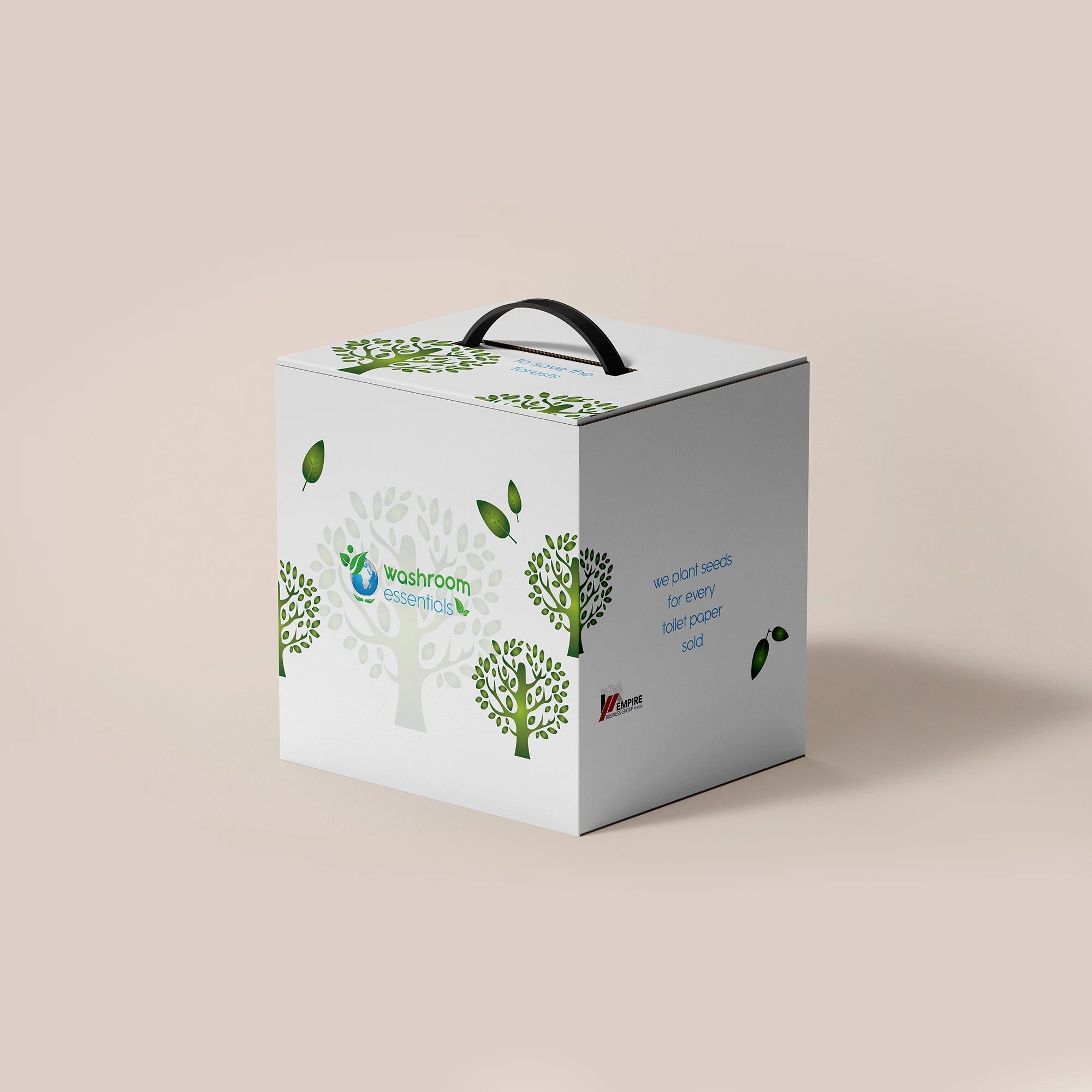
For recurring buyers, standardising a smaller range of proven products can simplify ordering and training. Cleaners know which rolls fit which dispensers, staff can replenish supplies quickly, and procurement teams can compare usage from one period to the next. Washroom Essentials offers bulk paper options that support this practical approach, including certified, recycled and quality-focused ranges for home and commercial use.
Make the whole washroom purchase count
Certified paper is a strong starting point, but the surrounding choices matter too. Select dispensers that control waste without frustrating users. Choose carton sizes that suit storage and usage. Prioritise products that perform reliably, because poor-quality paper often leads to overconsumption and complaints.
It is also worth considering the values behind the supplier relationship. Businesses and households increasingly want everyday purchases to support environmental care and positive community outcomes, provided the basics are covered: fair value, dependable delivery and products that do what they promise.
The most useful approach is not perfection. It is making the next order more considered than the last - choosing paper goods that keep washrooms ready for use while reflecting the standards you want your home, workplace or venue to stand for.