
Recycled Toilet Paper Performance Review for Buyers
Most buyers do not think about toilet paper until a roll feels scratchy, tears too easily or disappears far sooner than expected. This recycled toilet paper performance review looks at what genuinely affects day-to-day comfort, reliability and value, so Australian households and commercial buyers can choose recycled paper with confidence.
Recycled toilet paper has changed significantly. Older assumptions about grey-looking sheets, rough textures and poor wet strength do not apply to every product now available. Quality varies between grades, ply count, sheet size and manufacturing standards, which means the right option can perform very well in a home bathroom, busy office, café, accommodation venue or managed facility.
What recycled toilet paper is made from
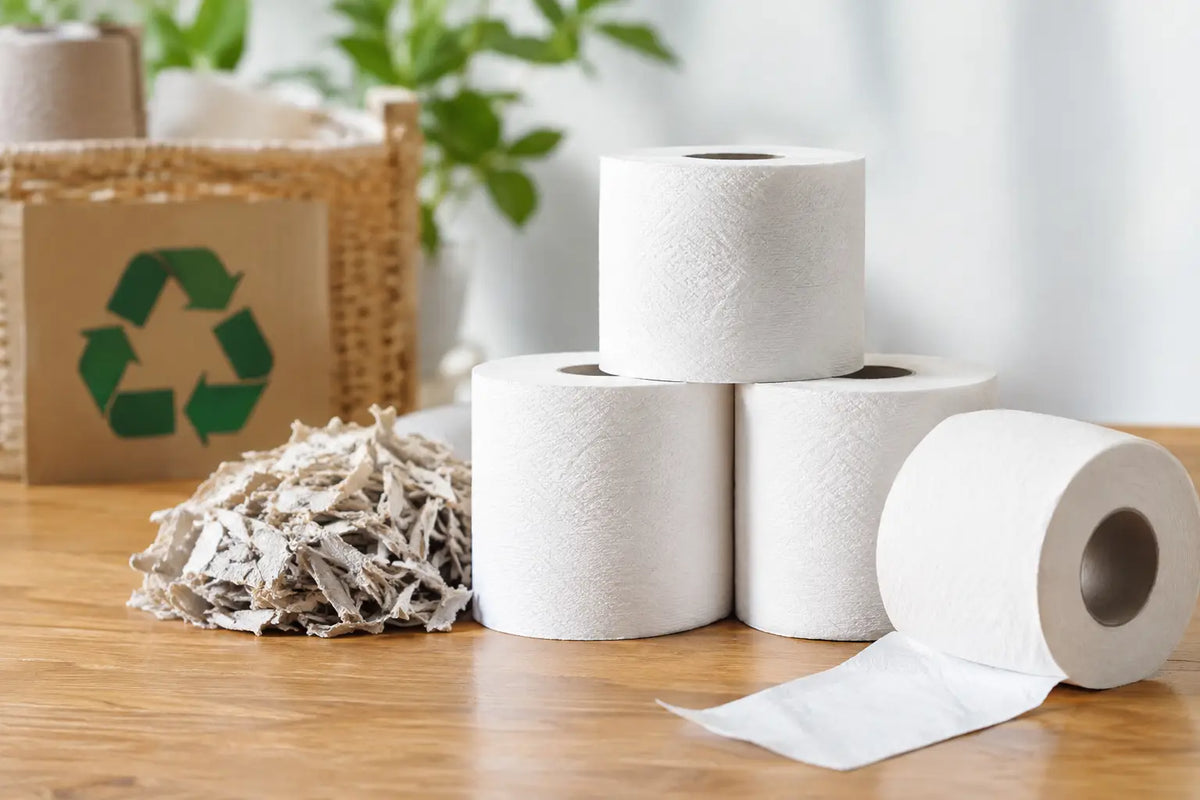
Recycled toilet paper is generally made from recovered paper fibres rather than virgin tree pulp. The material may come from post-consumer paper streams, such as office paper and used cardboard, or pre-consumer manufacturing offcuts. Those fibres are cleaned, processed and formed into new tissue products.
The environmental case is clear: using recovered fibre helps reduce demand for virgin pulp and keeps useful materials circulating for longer. It can also support purchasing policies that prioritise recycled content, responsible forestry and lower-waste operations. However, recycled content alone is not a complete measure of quality or environmental performance. Buyers should also consider certifications, packaging, freight efficiency and whether a product lasts well enough to avoid unnecessary consumption.
Because recycled fibres have already been processed, they are naturally shorter than fresh fibres. That can affect softness and strength, but modern tissue manufacturing can balance those characteristics effectively. The best products prove that responsible materials do not have to mean an uncomfortable washroom experience.
Recycled toilet paper performance review: the real tests
Performance should be judged in use, not just by what is printed on the wrapper. A low carton price can lose its appeal if people use twice as much per visit, while an extra-soft roll may not be the best value in a high-traffic venue. These are the areas that matter most.
Softness and comfort
Softness is usually the first concern for home buyers, hotels and hospitality venues. Recycled paper can feel smooth and comfortable, particularly in premium two-ply or three-ply formats. Embossing, sheet thickness and the quality of fibre processing make a noticeable difference.
A basic commercial recycled roll may feel firmer than a hotel-quality roll. That is not necessarily a fault. For a warehouse, school, public facility or staff washroom, a practical, comfortable-enough tissue may be the more suitable choice. In guest-facing spaces and family homes, spending slightly more on a softer grade can improve the experience without stepping away from sustainability goals.
Strength when it matters
Wet strength is where poor-quality toilet paper is quickly exposed. If sheets break apart too readily, users compensate by taking more paper. This creates frustration, increases consumption and can add to plumbing pressure.
Look beyond the number of plies. Two-ply paper is not automatically stronger than one-ply, because sheet density, embossing and fibre quality all contribute. A well-made two-ply recycled toilet paper should hold together during normal use while still breaking down appropriately after flushing. For commercial sites, this balance is particularly valuable: the paper needs to be dependable without creating avoidable blockage risks.
Absorbency and roll life
Absorbency affects how much paper a person uses at one time. A thicker, more absorbent sheet often means fewer squares are needed, so comparing rolls only by unit price can be misleading. Sheet count and sheet dimensions matter as much as the number of rolls in a carton.
For example, a compact roll may suit a small household cupboard, but a larger jumbo roll can reduce refill frequency in a busy workplace or venue. Less time spent changing rolls is a practical saving for cleaners and facilities teams. The right dispenser also matters, as it protects rolls from splash and limits unnecessary handling.
Lint and appearance
High lint can make a bathroom feel less clean and can be inconvenient in hospitality, health-adjacent settings and polished commercial environments. Recycled toilet paper may release a little more lint than some virgin-fibre alternatives, especially at the budget end of the market, but a quality tissue should not leave excessive residue.
Appearance is another consideration. Recycled paper is often natural white or slightly off-white rather than bright white. For many buyers, this is a visible sign of its recycled composition. In a premium guest bathroom, colour preference may influence the decision. In an office or home, comfort, strength and sustainability are usually more useful measures.
Choosing the right format for your washroom
The best recycled toilet paper depends on the people using it and the pace of the washroom. A household may prioritise softness, manageable pack sizes and reliable delivery. An office manager may need a carton quantity that prevents last-minute supply runs. A café, hotel or commercial property manager may need compatible rolls and dispensers that stand up to steady daily use.
Standard rolls are simple and familiar, making them a good choice for homes and lower-traffic washrooms. Jumbo rolls hold more paper and reduce servicing in busy locations. Interleaved or controlled-dispense systems can help manage usage in facilities where reducing waste is a priority.
Before placing a bulk order, check the roll width, core size, roll diameter and dispenser compatibility. A carton that looks like excellent value is not useful if it does not fit the existing units. It is also worth considering storage space. Bulk buying lowers the chance of running out, but cartons should be stored somewhere dry and clean to preserve product quality.
Value is about use, not just carton price
A fair recycled toilet paper comparison starts with the total cost of keeping a washroom stocked. The cheapest roll on paper may be poor value if it is thin, short or used excessively. Conversely, the most premium option may be unnecessary for a back-of-house bathroom with modest traffic.
For households, test a pack over a normal week and notice how often rolls are changed. For businesses, track carton usage over a month, taking occupancy, visitor numbers and cleaning schedules into account. This gives procurement teams a realistic cost-per-use figure rather than a simple cost-per-roll figure.
Reliable supply is part of performance too. A consistent product helps staff, cleaners and guests know what to expect. Ordering cartons of a proven recycled option can simplify recurring purchasing, reduce emergency supermarket runs and make washroom budgets easier to manage.
Sustainability claims worth checking
Environmental messaging should be clear and supported by meaningful detail. Recycled content is a strong starting point, while recognised forestry or environmental certifications can provide additional reassurance about sourcing and manufacturing practices. Packaging choices also matter, especially for organisations ordering in volume.
There are trade-offs. Recycled toilet paper is not automatically the lowest-impact option in every situation, particularly where transport distances are high or a product's short roll life causes higher consumption. Bamboo and certified virgin-fibre products may suit some buyers. The practical goal is to select a paper that is responsibly sourced, performs efficiently and meets the needs of the site.
For businesses, choosing recycled paper can also support internal sustainability targets without making washrooms feel like a compromise. It is a visible, everyday purchasing decision that staff and customers can understand.
A practical buying decision
A recycled toilet paper performance review should lead to a simple question: does this roll provide enough comfort, strength and absorbency for the people using it, at a sensible ongoing cost? If the answer is yes, recycled paper is an easy switch that supports a more considered washroom supply routine.
Start with the traffic level, the dispenser format and the standard of experience you want to provide. Then choose a quality recycled option in a carton size that keeps your shelves stocked. At Washroom Essentials, dependable paper products can help homes and workplaces stay prepared while making each regular order count for more than the washroom.