
Bathroom Paper Buying Guide for Smarter Supply
Running out of toilet paper in a family home is annoying. Running out in an office, café, clinic or accommodation venue is a service problem. A good bathroom paper buying guide starts there - not with fancy specs, but with the real job these products need to do every day: stay dependable, feel right to use, fit your space and budget, and ideally support more responsible purchasing.
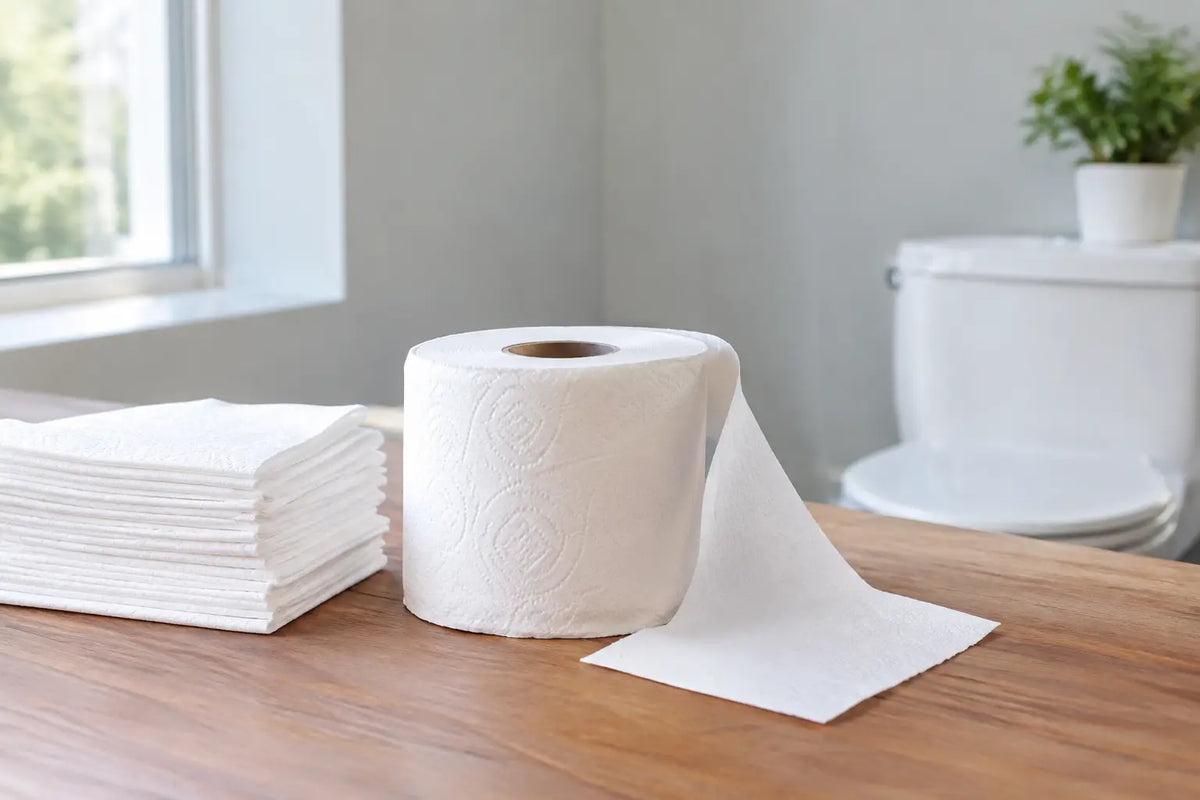
For most buyers, bathroom paper is not one product. It is a category that usually includes toilet paper, hand towels and facial tissues, sometimes paired with dispensers and bulk ordering needs. The right choice depends on volume, storage space, user expectations and whether sustainability is part of your procurement standards or household values. If you buy regularly, making a better decision once can save time and cost for months.
What this bathroom paper buying guide should help you decide
The biggest mistake is buying on unit price alone. Cheap paper can look economical on paper, then disappear faster, create more waste, frustrate users or require more frequent reordering. Better value comes from balancing softness, strength, sheet count, roll size, presentation and supply reliability.
Households often prioritise comfort and convenience. Commercial buyers usually need consistency, carton value and stock that suits dispensers and traffic levels. Hospitality venues may care more about presentation and guest experience, while facilities managers need products that perform across multiple bathrooms without creating procurement headaches. The same carton will not suit every setting.
Start with the type of bathroom paper you actually need
Toilet paper is the obvious starting point, but there are still meaningful differences within the category. Standard rolls suit most homes and smaller workplaces. Jumbo rolls are often the better fit for high-traffic bathrooms because they reduce refill frequency and labour time. Premium options tend to focus on softness and appearance, while recycled and bamboo ranges appeal to buyers who want a lighter environmental footprint without compromising day-to-day usability.
Hand towels matter just as much in many commercial washrooms. If users need a quick, hygienic dry, paper towels can outperform air dryers for speed and reduce contact points. Fold type, sheet size and dispenser compatibility all matter here. Facial tissues are a smaller category, but they still shape customer and staff experience in offices, hotels, clinics and reception spaces where comfort and presentation count.
If you manage multiple locations, standardising where possible makes life easier. Fewer product variations can simplify ordering, storage and staff training. That said, standardisation should not come at the cost of poor fit. Front-of-house amenities may need a more premium finish than back-of-house staff facilities.
How to judge quality without overpaying
Softness gets attention first, but strength and absorbency often matter more over time. Toilet paper that tears too easily leads to overuse. Hand towels that need two or three sheets to do one job are not saving money. The best-value products usually perform well enough that users need less of them.
Ply count can help, but it is not the whole story. A 2 ply product may be perfectly suitable if the paper quality is good, while a thicker option is not automatically better value. Sheet size, roll length and how densely the roll is wound all affect how long a product lasts.
For commercial buyers, user perception matters too. A rough, flimsy product can reflect badly on your business, especially in hospitality, health settings and client-facing offices. On the other hand, paying top-tier prices for luxury softness in a warehouse bathroom may not be necessary. Good buying is about matching quality to the setting.
Sustainability is no longer a side issue
For many Australian buyers, environmentally responsible paper products have moved from nice-to-have to expected. That does not mean every buyer wants the same thing, though. Some prioritise recycled fibre. Others prefer bamboo because it is fast-growing and seen as a lower-impact alternative. Some need recognised certifications to support procurement policies or internal sustainability goals.
This is where a bathroom paper buying guide needs a practical lens. Eco-friendly claims should still be measured against performance, price and supply reliability. If a product supports your environmental values but frustrates users or creates constant stock issues, it is not the right fit. The strongest options combine certified or responsibly sourced materials with dependable quality.
For businesses, sustainable bathroom paper can also support brand reputation. Customers, guests and staff notice these choices, particularly when they align with broader environmental commitments. For households, it is often a simple way to make a recurring purchase more meaningful without changing everyday routines.
Bulk buying: when it saves money and when it does not
Buying by the carton usually delivers better value, especially for offices, commercial venues and larger households. It reduces reorder frequency, can smooth out price fluctuations and helps avoid those last-minute emergency purchases that rarely offer the best price. For regular-use essentials, bulk buying is often the most commercially practical choice.
Still, bulk only works if you have the space and the right product. Oversized cartons in a tight storeroom or apartment cupboard can quickly become a nuisance. There is also no benefit in buying a large quantity of a product your staff, guests or family do not like using.
A sensible approach is to estimate usage over four to eight weeks, then buy to that rhythm. For businesses, that means looking at foot traffic, staff numbers, guest turnover and refill patterns. For homes, it comes down to household size, storage and how often you want deliveries. Reliable supply is part of value, not separate from it.
Don’t overlook dispenser compatibility
This is where many commercial orders go wrong. A hand towel or jumbo toilet roll that does not fit your dispenser is not a bargain. Before ordering, check dimensions, core size, fold type and whether the paper is made for the dispensing system already installed on site.
There is also a broader decision here about whether your current dispenser setup still suits your needs. In busy sites, the right dispenser can reduce waste, improve hygiene and make refilling quicker. In premium venues, it can also improve presentation. If you are reviewing paper products anyway, it is often worth reviewing the dispensing system at the same time.
Price matters, but so does supply confidence
A low price is only useful if stock is available when you need it and quality stays consistent from one order to the next. Regular buyers know the hidden cost of unreliable supply - substitute products, staff time spent chasing stock, rushed purchases and complaints from users when standards drop.
That is why dependable sourcing matters. Whether you are buying for a home, a small business or a multi-site operation, you want clear product information, stable quality and delivery that fits your schedule. A supplier that understands repeat purchasing can remove a surprising amount of friction from what should be a straightforward task.
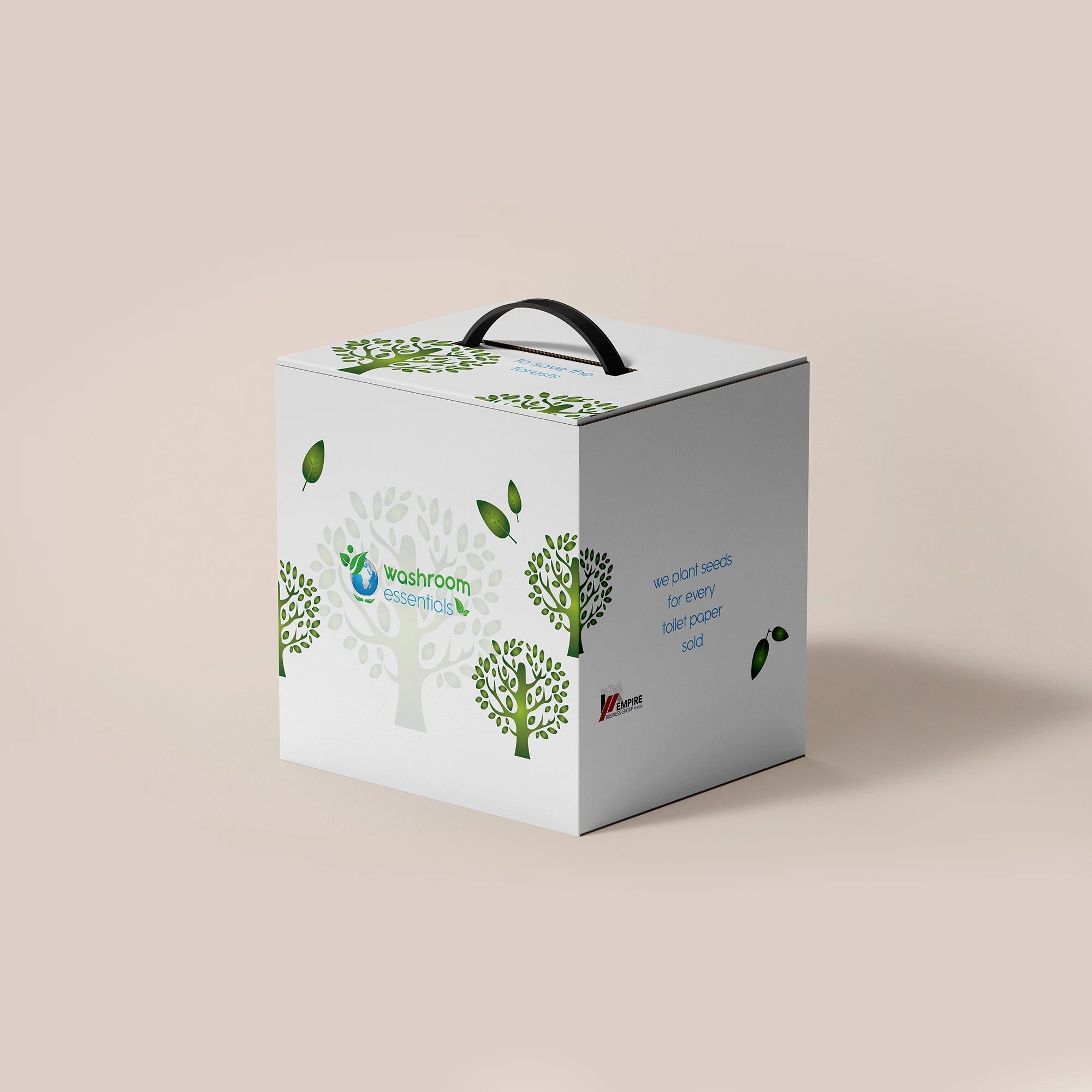
For many buyers, this is also where value-driven brands stand out. A business that combines practical supply with environmental responsibility and community contribution offers more than a carton price alone. Washroom Essentials, for example, speaks directly to buyers who want everyday essentials, direct-to-door convenience and a purchase that supports broader positive impact.
A simple way to choose the right product
If you need a quick filter, start with usage level. High-traffic bathrooms usually benefit from larger formats and efficient dispensing. Mid-range traffic often suits standard commercial rolls or folded hand towels. Homes and boutique accommodation may lean towards softer, more premium finishes.
Next, decide where you sit on the comfort-versus-cost scale. Then factor in sustainability requirements, storage space and delivery frequency. If one product meets four out of five needs but fails on the point that matters most - such as softness in guest accommodation or dispenser fit in a commercial site - keep looking.
The strongest buying decisions are rarely about choosing the cheapest or the most premium option. They come from choosing the one that does the job properly, keeps bathrooms stocked, aligns with your values and does not create extra work.
Bathroom paper is an everyday essential, but the buying decision has real flow-on effects for hygiene, customer experience, staff efficiency and waste. Choose with the next few months in mind, not just the next order, and the right product will keep proving its value long after the carton arrives.