
Article: Septic Safe Versus Standard Rolls Explained
Septic Safe Versus Standard Rolls Explained
A blocked septic system is not a minor bathroom inconvenience. It can mean unpleasant odours, slow drains, costly pump-outs and disruption for everyone using the property. When comparing septic-safe versus standard rolls, the practical question is not simply which toilet paper feels softer. It is whether the paper breaks apart quickly enough to move through your plumbing and support the healthy operation of your septic system.
For households on septic, holiday homes, rural properties and facilities with onsite wastewater treatment, toilet paper is part of the system’s daily workload. Choosing the right roll is a straightforward way to reduce avoidable pressure without compromising comfort, hygiene or reliable stock levels.
How a septic system handles toilet paper
Unlike a property connected to a large municipal sewer network, a septic system treats wastewater onsite. Wastewater flows into a septic tank, where solids settle, oils and floating material rise, and naturally occurring bacteria begin breaking down organic matter. The liquid then moves through further treatment or into a drainage area, depending on the system.
Toilet paper belongs in the tank, but it needs to disperse efficiently. If paper holds together for too long, it can add to the solid layer, contribute to blockages in pipes or pumps, and increase the frequency of maintenance. This matters even more in systems that receive heavy use over weekends, school holidays or busy hospitality periods.
No toilet paper makes a septic tank maintenance-free. Regular inspections and pump-outs still matter. The right paper simply helps avoid adding unnecessary material that is slow to break down.
Septic safe versus standard rolls: the real difference
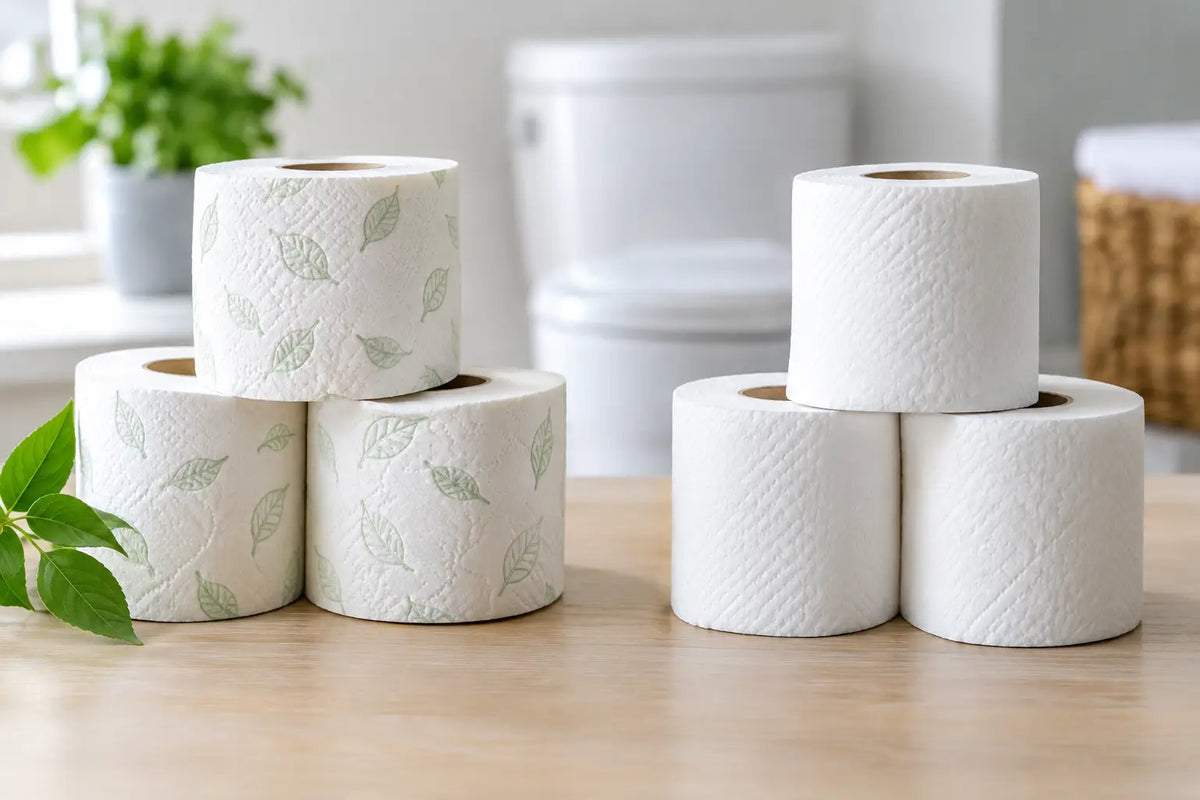
A septic-safe toilet roll is designed or tested to break down readily in water. It is usually made from fibres that disperse relatively quickly when flushed, without relying heavily on added strength treatments that keep the sheet intact for longer.
A standard roll is a broader category. Some standard toilet papers will be perfectly suitable for septic systems, while others may be denser, highly quilted, heavily lotion-treated or made for maximum wet strength. Those features can improve the feel of the paper, but may also mean it takes longer to break apart.
The label is useful, but it is not the only thing to consider. “Septic safe” is not a guarantee that every product performs identically in every plumbing setup. A well-maintained septic system with modern plumbing may cope comfortably with a range of quality toilet papers. An older system, a small tank or a property with recurring drainage issues needs a more cautious choice.
In practice, septic-safe rolls are usually the better default where onsite wastewater treatment is involved. They are selected with faster dispersal in mind, which is exactly what a septic tank needs from a flushed paper product.
Softness and strength are not the enemy
There is a common belief that septic-safe paper must be thin, rough or poor quality. That is no longer the case. Quality toilet paper can balance softness, absorbency and breakdown performance through the fibre blend, sheet construction and manufacturing process.
Ply count alone does not tell the full story either. A two-ply roll can be suitable for septic use, while a thinner roll may still resist breaking down if it has been made with strong bonding agents. Rather than choosing solely on ply, focus on the product’s stated suitability and its overall construction.
For homes and workplaces, the best choice is one that users are comfortable using in sensible amounts. Very thin paper can lead people to use much more per visit, which defeats the purpose of choosing it for lower system load.
What makes toilet paper more suitable for septic systems?
Look for toilet paper that is clearly described as septic-safe, readily biodegradable or fast-dispersing. Plain, unscented paper is generally the simplest option because it avoids unnecessary fragrances and additives entering the tank.
Fibre source can be part of the decision, but it is not a shortcut. Recycled and bamboo toilet papers can be excellent choices for environmentally conscious buyers, and responsibly sourced virgin fibre can also perform very well. What matters for septic use is how the finished product disperses, not just where its fibres began.
Be cautious with products marketed mainly around extra softness, deep embossing or exceptional wet strength if they do not state septic suitability. These are not automatically unsuitable, but they are worth checking before buying cartons for a septic-serviced property.
For commercial buyers, consistency matters as much as the individual roll. A reliable product specification makes it easier for cleaners, office managers and property teams to order the same suitable stock each time. It also avoids a situation where a substitute product looks similar but behaves differently after flushing.
The products that cause bigger septic problems
Toilet paper is rarely the sole cause of a septic issue. The greater risk usually comes from things that should never be flushed, even when the packaging suggests they are flushable.
Wet wipes, facial wipes, paper towel, sanitary products, cotton buds, dental floss, nappies and cooking fats can all create serious problems in septic tanks and pipework. Wipes are particularly troublesome because they are designed to stay strong when wet. They can catch on roots, pumps and pipe joins, then collect other material into a blockage.
A simple bathroom message helps in shared settings: flush toilet paper and human waste only. This is useful in offices, accommodation venues, holiday rentals and public-facing washrooms, where guests may not know the site runs on septic.
If your system is already struggling, changing toilet paper may help reduce future load, but it will not fix a blocked line, failed pump or overloaded drainage field. Persistent gurgling, foul smells, wet patches near the tank or drains that back up should be assessed by a qualified septic professional.
Choosing rolls for homes, holiday properties and facilities
For a family home on septic, choose a comfortable septic-safe roll and keep the product consistent. If you are trialling a new option, monitor how the plumbing performs over several weeks rather than judging it after a day or two. A sudden change in usage, such as visitors staying over, can affect the system more than the roll itself.
Holiday homes and short-stay accommodation benefit from clearly supplied, easy-to-use rolls that are appropriate for the system. Guests should not have to guess whether the toilet paper is suitable, and property owners should avoid stocking a mixture of papers with very different performance characteristics.
In offices, cafes, accommodation venues and community facilities, bulk purchasing adds another layer to the decision. Consider roll size, dispenser compatibility, storage space, expected traffic and the frequency of cleaning rounds alongside septic suitability. A jumbo roll may reduce changeovers, but it needs the right dispenser and should still meet the site’s wastewater requirements.
Washroom Essentials supports practical bulk ordering for homes and businesses, making it easier to keep dependable paper supplies on hand while choosing products that align with quality and environmental priorities.
Environmental choices and septic performance
A lower-impact washroom choice should work on more than one level. Responsible fibre sourcing, recycled content, reduced packaging and efficient delivery all matter, but so does selecting a product that suits the property’s wastewater system. A roll that supports reliable septic operation can help avoid premature pump-outs, emergency call-outs and wasted product.
Environmental certifications can give useful information about responsible forestry or recycled content. They do not automatically confirm a roll is right for a septic tank, so treat them as one part of the purchasing decision. Check the product description for septic suitability, then weigh that alongside comfort, sheet count, carton value and your organisation’s sustainability commitments.
The most sustainable option is not always the cheapest roll per pack. For a busy site, value comes from a roll that performs well, is used sensibly, suits the dispenser and does not create avoidable maintenance issues downstream.
A practical buying checklist
Before placing your next order, confirm whether the property uses septic or sewerage, then check that the toilet paper is described as suitable for septic systems or designed to disperse quickly. Choose plain paper where possible, avoid mixing in wipes or paper towel, and make sure the roll format fits your dispensers and storage area.
If you manage several sites, record the approved toilet paper specification in your cleaning or procurement notes. That small step can prevent last-minute substitutions that create inconsistent supply and unnecessary risk for septic-serviced locations.
A good toilet roll should feel right for the people using it and behave responsibly once it leaves the bathroom. For septic properties, choosing a quality roll made to break down readily is a simple everyday decision that protects comfort now and helps keep the system working as it should.