
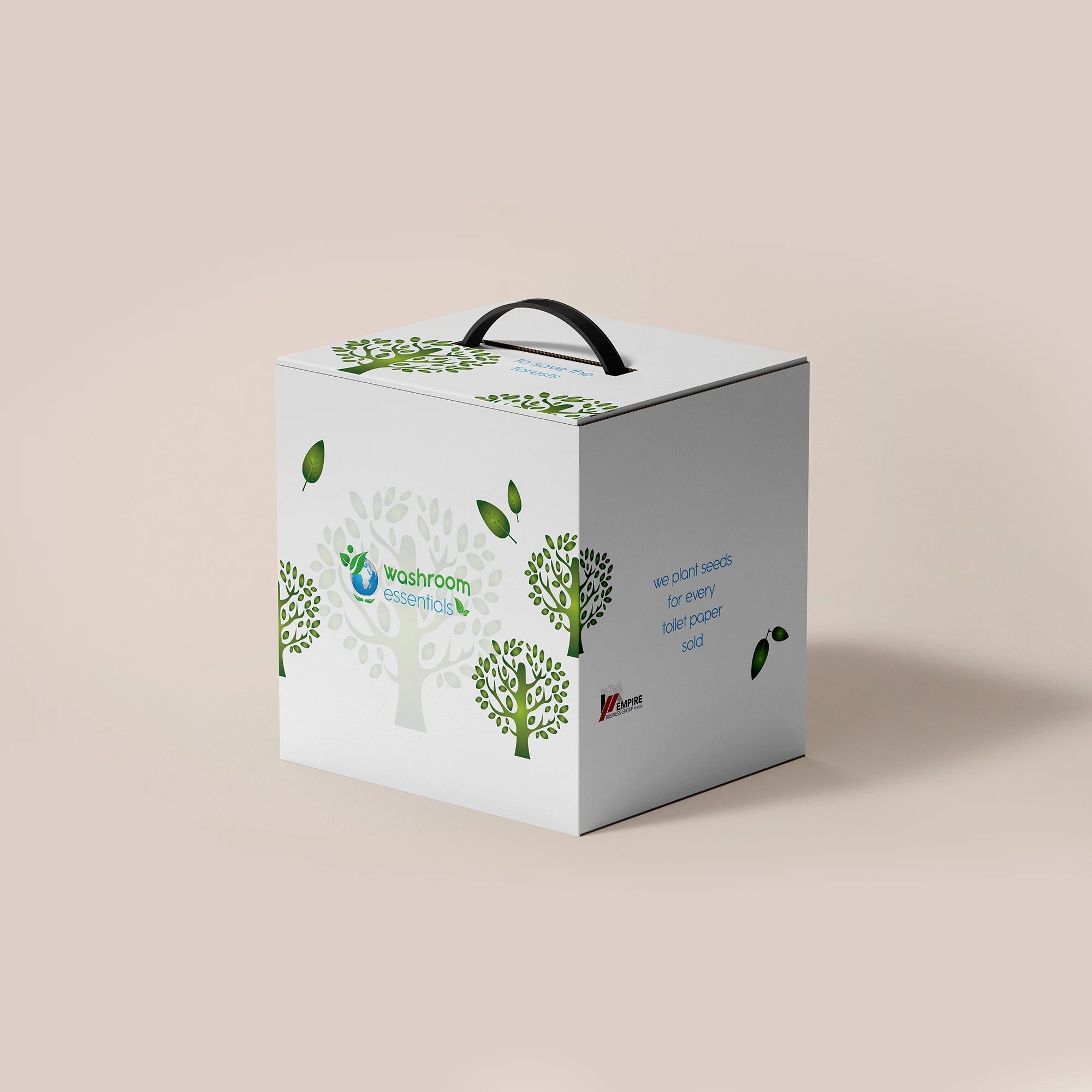

How to Choose Recycled Toilet Rolls for Bathrooms
A toilet roll is only noticed when it is rough, runs out too soon or blocks the dispenser. For households and busy workplaces alike, the better decision is to choose recycled toilet rolls that feel good to use, suit the bathroom setup and reduce demand for virgin fibre.
Recycled toilet paper has come a long way from the thin, scratchy rolls some people remember. Quality now varies widely, however, and the lowest unit price is not always the best value. The right roll needs to stand up to everyday use, fit your dispensers and arrive in quantities that make repeat ordering simpler.
Why recycled rolls are a practical choice
Paper products are an unavoidable part of running a clean bathroom. Choosing rolls made from recovered paper helps keep useful fibre circulating for longer rather than relying solely on newly harvested trees. For homes, offices, hospitality venues and managed facilities, it is a straightforward purchasing change with a meaningful environmental benefit.
That benefit should not require your guests, staff or family to compromise on comfort. Well-made recycled toilet paper can be soft, absorbent and dependable. The key is to look beyond the word “recycled” on the pack and assess the specifications that affect day-to-day performance.
Recycled content can come from post-consumer paper, such as office paper and household paper waste, or pre-consumer material from manufacturing processes. Products with a clearly stated recycled content offer greater transparency. Where environmental credentials are a priority for your organisation, look for recognised fibre certification as well. FSC certification, for example, provides assurance around responsible forest management and sourcing standards.
How to choose recycled toilet rolls that suit your space
The best option depends on who uses the bathroom and how much traffic it receives. A family ensuite, a café washroom and a multi-level office have very different needs. Start with use, then compare roll format, sheet count, ply and storage requirements.
Match the ply to the expected use
Two-ply recycled toilet paper is often the sensible all-round choice. It offers a comfortable feel and better strength than one-ply, which can mean users need fewer sheets each time. That balance makes it suitable for most homes, staff bathrooms, accommodation and customer-facing washrooms.
One-ply options can work well in high-volume settings where cost control is the main consideration and the dispenser is designed for them. The trade-off is that thinner paper may be used more generously, reducing the apparent saving. A quality two-ply roll can offer better real-world value when it prevents unnecessary consumption.
For premium hospitality settings or bathrooms where guest comfort is central to the experience, a softer, hotel-quality recycled roll may be worth the additional spend. It supports a more considered presentation without moving away from your sustainability goals.
Compare sheet count and roll length, not just pack price
A carton with more rolls is not necessarily better value if each roll is short. Check the number of sheets per roll, sheet dimensions and total roll length where available. These details give a clearer picture of how long your supply will last.
This comparison matters particularly for commercial buyers. A cheap roll that needs replacing every day creates extra work for cleaners and increases the chance of an empty cubicle. Longer rolls and well-chosen bulk formats can reduce service visits, packaging and ordering frequency.
For a household, consider how much cupboard space you have. Buying a larger carton can lower the cost per roll and avoids last-minute supermarket runs, but only if it can be stored somewhere clean and dry. A linen cupboard, pantry shelf or secure garage storage area is preferable to a damp bathroom floor.
Check dispenser compatibility before ordering
Standard rolls are practical for most residential bathrooms and small workplaces. In larger venues, jumbo rolls or controlled-dispense systems may offer better efficiency because they hold more paper and reduce refill frequency.
Before changing formats, measure the dispenser or check its product specification. Pay attention to roll diameter, core size and width. A jumbo roll that does not fit its dispenser is not a bargain, and a roll with an unsuitable core can cause frustrating interruptions for cleaning teams.
If you manage several sites, standardising on one compatible roll and dispenser format can simplify procurement. Staff know what to order, stock can be moved between locations when needed, and training becomes easier for contractors and cleaners.
Consider softness, strength and absorbency together
Softness is usually the first quality people judge, but it is not the only one that matters. A roll should separate cleanly along the perforation, remain strong when used and absorb effectively without feeling harsh. These qualities are influenced by the fibre mix, ply, embossing and manufacturing process.
There is no single best texture for every bathroom. Some buyers prefer a quilted or embossed finish for added comfort, while others focus on a simple, strong roll that performs consistently in a busy facility. Product samples or a smaller initial order can be useful when you are changing supplier or fitting out a new venue.
Avoid assuming that a very white recycled roll is automatically a superior product. Appearance does not tell you everything about fibre source, strength or environmental impact. Clear product information and trusted certification are more useful measures than colour alone.
What environmental claims should you look for?
Environmental language should be supported by specific information. “Eco-friendly” is a useful starting point, but informed purchasing means checking what sits behind the claim. Recycled content, independently recognised certification and packaging details help you compare products with confidence.
Look for a stated recycled fibre percentage rather than vague wording. If plastic reduction is part of your purchasing policy, consider whether the product is supplied in recyclable or reduced-plastic packaging, while remembering that local recycling rules can differ between councils. Packaging still has a role in keeping paper hygienic and dry during delivery and storage.
Responsible buying also includes reducing waste after the roll is installed. Choose a roll size appropriate for the location, keep spare stock accessible and use dispensers that protect paper from splash and overuse. These small operational choices can make a substantial difference across a busy building.
For organisations reporting on sustainability targets, keep product specifications and purchase records. They make it easier to demonstrate that routine consumable decisions align with broader environmental commitments. For homes, the same choice is simply a practical way to make a regular purchase count for more.
Buying in bulk without overbuying
Bulk ordering is one of the easiest ways to keep washrooms stocked and manage the cost of essential supplies. It is particularly useful for offices, cleaners, short-stay accommodation, restaurants and commercial properties where running out is not an option.
The right order size comes down to consumption, delivery frequency and available storage. Review how many rolls you use in a normal week, then allow a reasonable buffer for events, school holidays, increased occupancy or peak trading periods. A small office may be comfortable holding a month or two of supply, while a high-traffic venue may need regular carton deliveries and a more active stock rotation process.
Store cartons off the ground, away from direct moisture and away from cleaning chemicals. Use older cartons first so packs remain tidy and paper stays in good condition. This is especially important for businesses with storerooms that are shared by several teams.
Price should be assessed per sheet or per metre when possible, not only per carton. Factor in the time saved through fewer emergency purchases, fewer refill trips and dependable direct-to-door delivery. A consistent supply of quality rolls helps maintain hygiene standards and gives customers, staff and guests a better bathroom experience.
A better everyday purchase
Recycled toilet paper is a small operational detail, yet it appears in every bathroom routine. When you choose the right ply, roll size, certification and carton quantity, it can support comfort, cleaner operations and more responsible resource use at the same time.
Choose a product that your users will genuinely be happy to use, then make stock control easy enough that the bathroom is never caught short. That is where a considered recycled roll earns its place: quietly, reliably and with less impact than a throwaway decision.