
Bathroom Dispenser Selection Guide for Every Space
A dispenser is often noticed only when it fails: the soap pump sticks, paper towels run out during a busy service, or a loose toilet roll holder leaves supplies on the floor. A considered bathroom dispenser selection guide prevents those small frustrations before they become hygiene complaints, wasted stock or unnecessary cleaning time.
For homes, the right choice can make a vanity easier to keep tidy and reduce plastic bottle clutter. For offices, cafés, accommodation venues and shared facilities, it helps protect supplies, support hand hygiene and keep recurring costs predictable. The best dispenser is not necessarily the cheapest unit on the shelf. It is the one that suits the room, the people using it and the refill system behind it.
Start with the bathroom and its traffic
The first question is simple: how many people use the space each day? A guest ensuite has very different needs from an office bathroom serving 50 staff, or a hospitality venue managing weekend crowds. High-traffic bathrooms benefit from higher-capacity dispensers, visible refill levels and durable wall-mounted construction. These features reduce how often staff need to check and refill units.
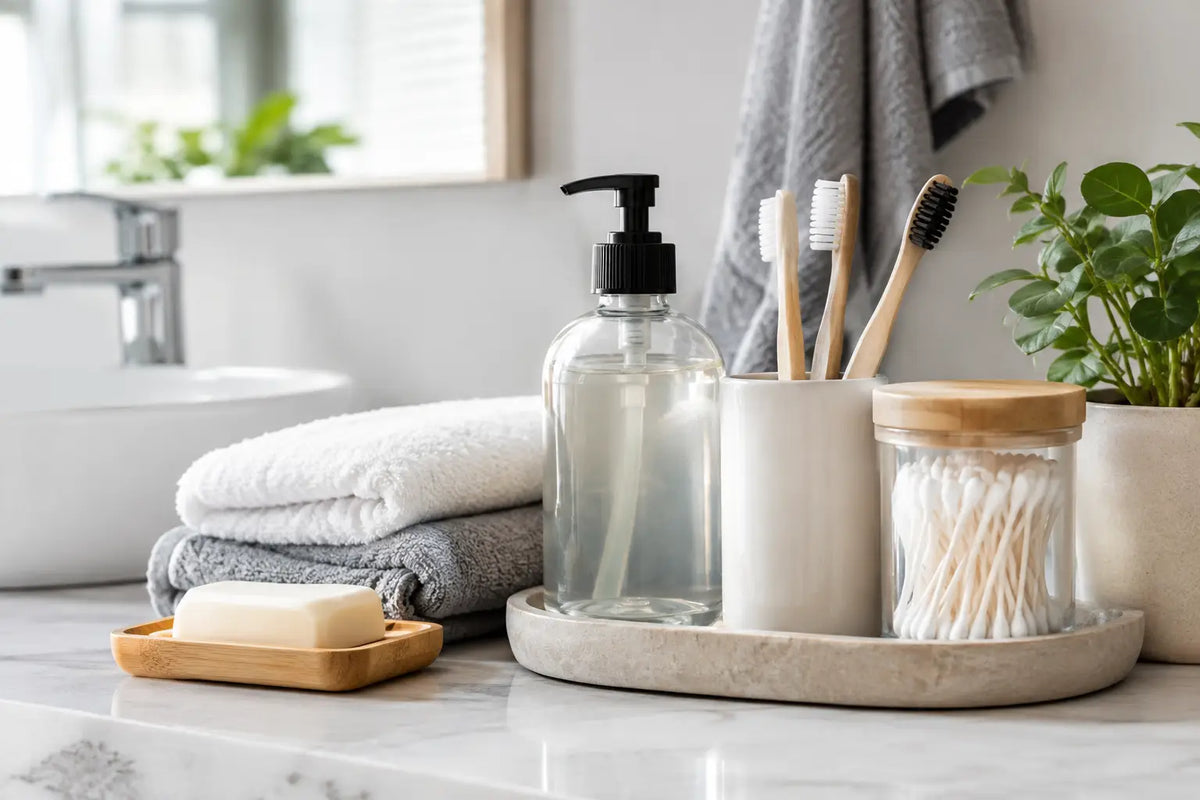
In a low-traffic home bathroom, appearance and bench space may carry more weight. A compact soap dispenser or coordinated accessory set can create a cleaner look without adding unnecessary capacity. However, if the bathroom is used by children, guests or tenants, easy-clean materials and simple operation are still worth prioritising.
Also consider the location. A dispenser beside a basin is exposed to splashes, while a unit near a shower may face regular humidity. In public bathrooms, fittings must cope with frequent use and occasional rough handling. Choose materials accordingly: quality ABS plastic is lightweight, practical and corrosion-resistant; stainless steel offers a premium finish and can suit modern commercial interiors, but it may show fingerprints and water marks more readily.
Choose the right dispenser type
A well-equipped bathroom usually needs more than one dispenser. Matching each unit to its task gives users a clear, reliable experience and helps cleaners maintain stock efficiently.
Soap and sanitiser dispensers
Liquid soap dispensers are familiar, simple to refill and suitable for most bathrooms. Look for a controlled dose that provides enough soap for effective handwashing without dispensing more product than needed. Over-dispensing may seem minor, but it increases soap use across busy facilities and can leave excess residue around the basin.
Foam soap dispensers are a strong option where reducing product consumption matters. They dispense pre-aerated soap, giving users a generous-feeling pump with less liquid per use. The trade-off is that they require foam-compatible refills, so do not assume a standard liquid soap can be used interchangeably.
Manual push dispensers remain dependable for many workplaces and public bathrooms. Touch-free dispensers can reduce contact points and present a more premium experience, particularly in health-conscious settings, but they need batteries or power, routine sensor cleaning and a plan for maintenance. For a small bathroom with limited upkeep, a quality manual dispenser can be the more practical choice.
Hand towel dispensers
Hand towel dispensers should match the towel format you plan to buy, not the other way around. Interfold, multifold and roll towel systems all have different cabinet sizes and dispensing mechanisms. A mismatch can cause jamming, excessive towel pull or refills that simply do not fit.
For busy bathrooms, a controlled-feed roll towel dispenser can help reduce overuse by delivering one sheet at a time. Interfold towel dispensers are often a convenient choice for offices and lighter-use facilities because users can take a single towel easily. Check that the opening is easy to access but does not expose the full stack to splashes or curious hands.
Toilet paper dispensers
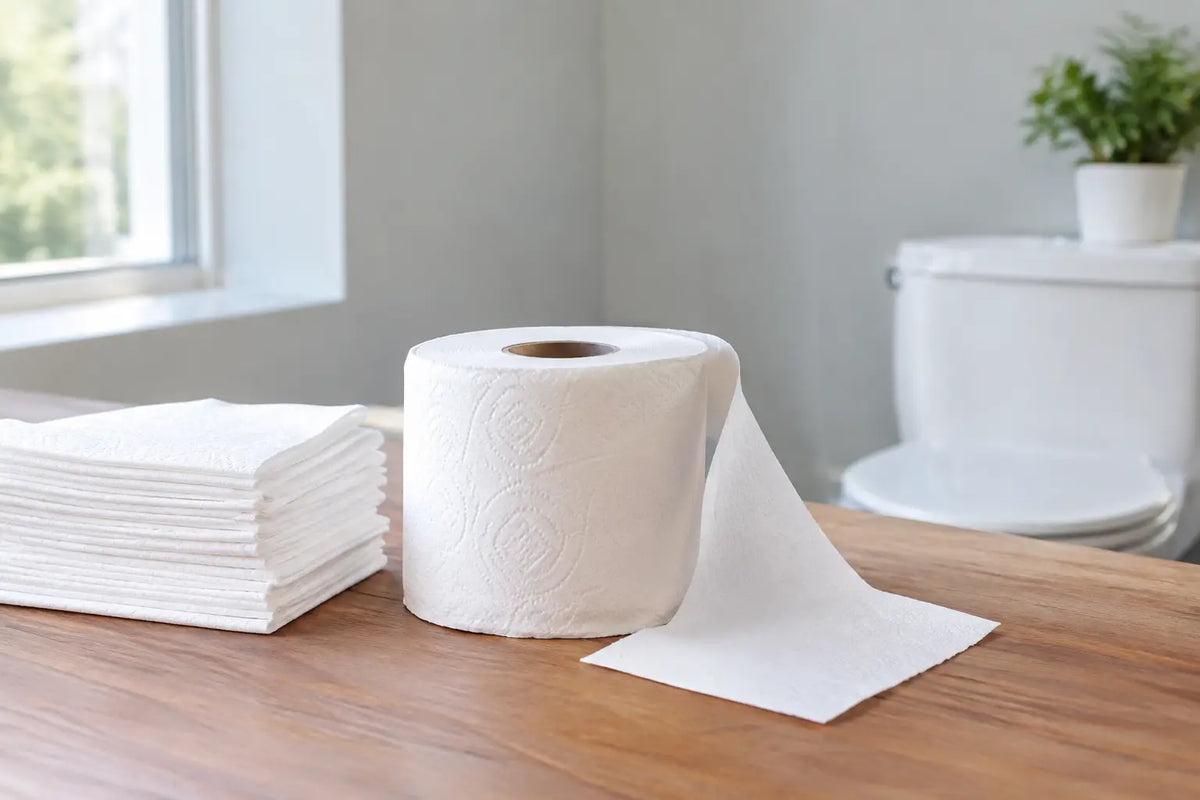
Toilet roll dispensers need enough capacity to avoid the most common bathroom complaint: an empty roll. Standard single-roll holders can suit homes and small private bathrooms. In shared commercial facilities, twin-roll or jumbo-roll dispensers generally make more sense because they hold more stock and reduce service visits.
Capacity is only part of the decision. Consider whether the dispenser protects rolls from moisture, how easily staff can replace them, and whether users can see when a refill is running low. Lockable units can help control wastage in public areas, although they add a step for cleaners. The right balance depends on whether the bathroom is private, semi-public or fully public.
Facial tissue and hygiene product dispensers
Facial tissue dispensers are useful in hotel rooms, workplace amenities and premium guest bathrooms where presentation matters. Choose a design that keeps the box stable, protects tissues from damp surfaces and allows a fresh tissue to be pulled without tearing several at once.
Where required, sanitary disposal units should be discreet, easy to service and positioned where they are accessible without obstructing movement. This is a practical detail that makes a real difference to user comfort and bathroom cleanliness.
Check refills before choosing the unit
The dispenser and refill should be treated as one purchasing decision. A well-priced dispenser is poor value if its compatible refills are difficult to source, arrive inconsistently or cost far more than expected. Before committing, confirm the refill format, carton quantity, dimensions and storage requirements.
For businesses, standardising dispenser systems across multiple bathrooms can make ordering much easier. Cleaners do not need to carry several types of paper towel or decipher which soap cartridge fits each unit. Procurement teams can set reliable reorder quantities, while facilities managers gain clearer visibility over consumption.
It is also worth considering whether the refill format creates avoidable waste. Bulk soap refills, recyclable packaging and responsibly sourced paper products can support lower-impact washroom operations. FSC-certified, recycled or bamboo paper options may be a sensible fit for organisations that want practical hygiene supplies aligned with environmental commitments.
Installation, access and cleaning matter
A dispenser only works well if people can reach and use it comfortably. Position soap at a sensible height beside the basin, with enough clearance for users to place their hands underneath. Mount hand towel dispensers where water will not drip directly onto the opening, and place toilet roll dispensers within easy reach of the toilet without crowding the space.
Wall-mounted dispensers are usually the best choice for shared bathrooms because they free up bench space, reduce the chance of units being moved or dropped, and make cleaning around the basin easier. Bench-mounted dispensers can work well in private homes, serviced apartments and low-traffic guest bathrooms where styling is a priority.
Before installation, check the wall surface and fixing requirements. Tiles, plasterboard, masonry and partitions each need the appropriate mounting method. A unit that is loose, crooked or installed at an awkward height will undermine even the best product choice.
Cleaning should be straightforward. Smooth surfaces, simple covers and easy-to-open refill compartments save time for cleaners and help maintain a professional appearance. Avoid designs with deep grooves or exposed mechanisms in bathrooms that receive heavy use, as soap residue and dust can build up quickly.
Balance upfront cost with everyday value
It is tempting to compare dispensers by unit price alone. Yet the cost of a bathroom dispenser includes refill consumption, staff time, replacement frequency and the risk of running out at the wrong moment. A durable model with controlled dispensing may cost more initially but reduce waste and servicing over time.
For a home, choosing refillable dispensers can mean fewer single-use bottles and a more organised bathroom. For a business, bulk-compatible models can support better stock control and less frequent ordering. The best price guarantee is valuable, but long-term value also comes from quality, dependable supply and products that do their job day after day.
Washroom Essentials helps Australian households and organisations source practical paper goods, dispensers and bathroom supplies in one place, with quality and responsible purchasing kept firmly in view. When comparing options, select systems that support your existing cleaning routine rather than creating another task for the team.
A bathroom dispenser selection guide for smarter purchasing
Before placing an order, walk through the bathroom as a user and as the person responsible for stocking it. Is the soap easy to reach? Are towels protected from water? Can a cleaner replace the refill quickly? Is there enough toilet paper capacity for the busiest period of the day? These practical checks reveal more than a product photo ever can.
A good dispenser quietly improves the room: hands can be washed properly, paper is available when needed, surfaces stay clearer and refilling is predictable. Choose with the full system in mind, and your bathroom will remain cleaner, better stocked and easier to manage long after installation day.