
Green Procurement for Better Washroom Supply
A full washroom cupboard is not a sustainability strategy. For offices, cafés, accommodation providers and facilities teams, green procurement is the practical work of choosing everyday supplies that meet hygiene needs while reducing unnecessary environmental impact. It is about buying the right products, in the right quantities, from suppliers that can clearly explain what sits behind their environmental claims.
That matters most with products people use without thinking twice: toilet paper, facial tissues, hand towels, soap and dispensers. They are recurring purchases, often ordered in volume, and the choices made at purchase can influence material use, packaging waste, delivery frequency and long-term cost.
What green procurement means in a washroom
Green procurement means adding environmental criteria to normal buying decisions such as price, quality, availability and delivery. It does not mean choosing the most expensive option with a recycled label. It means assessing the full practical value of a product before it becomes part of your regular order.
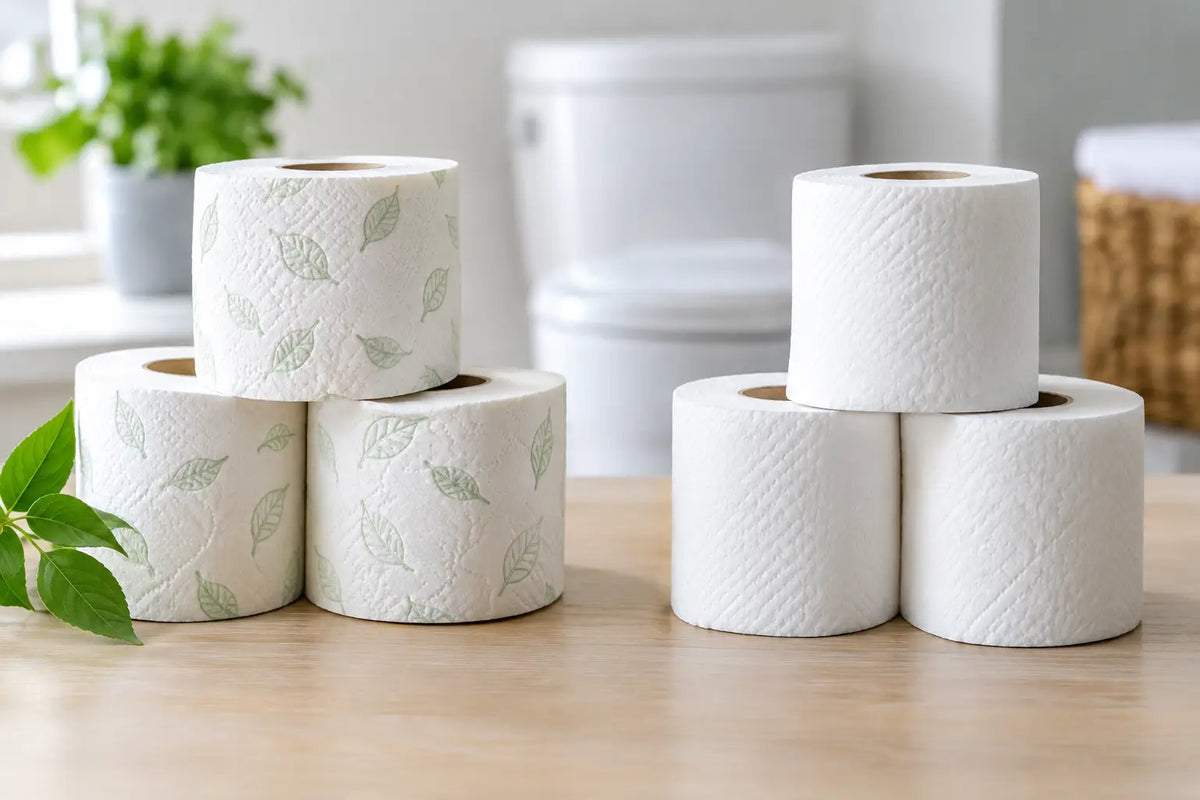
For washroom supplies, that may include choosing FSC-certified paper, recycled tissue, bamboo-based alternatives, carton quantities that suit your usage, or dispenser systems designed to reduce overuse. A well-chosen product should still feel comfortable, perform reliably and arrive when needed. Sustainability claims are only useful when the product works for the people using it.
The strongest approach is simple: set a clear standard, ask sensible questions and make it easy for staff or tenants to use supplies efficiently. This creates a purchasing routine that is both responsible and dependable.
Why it matters beyond the bin
A washroom product has an impact well before it reaches the rubbish bin. Fibre sourcing, manufacturing, packing, transport and the amount used per visit all play a part. One carton may seem insignificant, but recurring orders across multiple bathrooms, floors or sites add up quickly.
Green procurement helps buyers avoid a common false economy: purchasing the cheapest unit price, then dealing with rapid consumption, poor dispenser fit, frequent emergency orders or unhappy users. A softer, stronger roll that lasts longer may offer better value than a lower-priced roll that is used twice as fast. The same applies to hand towels. Absorbency can affect how many sheets a person takes, which affects both replenishment time and waste.
There is also a trust benefit. Employees, guests and customers increasingly notice the details of a business's environmental choices. Certified or recycled paper products will not replace meaningful action in other areas, but they are visible evidence that operational decisions match stated values.
Start with the products you buy most often
The best place to begin is not a complicated policy. Review the products that move through your washrooms most often. For many workplaces, these are toilet paper, hand towels, facial tissues and bin liners. Look at order history over three to six months to understand volume, ordering patterns and peak periods.
Then consider where waste or friction occurs. Are staff ordering extra cartons because supplies run out unexpectedly? Are guests taking large handfuls of thin hand towels? Are dispensers incompatible with preferred refills? Is bulky packaging creating storage problems? These questions reveal where a change could make a genuine difference.
A busy hospitality venue may prioritise premium, soft toilet paper that suits guest expectations and holds up under high traffic. A warehouse or shared office may get more value from durable recycled hand towels in a controlled dispenser. A household buying in bulk may prefer a balance of recycled content, compact storage and direct-to-door delivery. Green purchasing is not one-size-fits-all.
Look for credible material information
Environmental language can be vague, so focus on information that is specific and relevant. FSC certification, for example, indicates that wood-based materials come from responsibly managed sources under an established certification system. Recycled content can reduce demand for virgin fibre, while bamboo products may appeal where buyers want a fast-growing fibre alternative.
None of these features automatically makes one product best in every situation. Recycled paper can vary in softness and strength. Bamboo options can vary by manufacturing process, transport distance and price. Virgin fibre from responsibly managed sources may be the practical choice for certain high-performance applications. The goal is to compare like with like and choose with evidence rather than assumptions.
Ask suppliers to explain product composition, certification and pack details in plain language. Be wary of broad terms such as “eco-friendly” when they are not supported by useful product information. Clear claims make better procurement decisions possible.
Buy the right quantity, not simply the largest carton
Bulk buying can reduce ordering time, packaging per unit and the risk of running out. For many organisations, cartons of toilet paper and hand towels are a sensible way to manage recurring demand. But larger is not always better if cartons sit unused, become damaged in storage or encourage over-ordering.
Check your storage area before committing to a bulk format. Supplies should remain dry, clean and accessible, especially in commercial environments where staff need to restock quickly. Consider delivery cadence as well. A predictable monthly or fortnightly order may reduce last-minute freight and help facilities teams stay organised.
Consolidating several washroom essentials into one order can also simplify administration. It is easier to track usage and control purchasing when toilet paper, tissues, towels and dispensers are sourced through a dependable supplier rather than ordered ad hoc from several places.
Green procurement practices that work day to day
A useful green procurement process should be easy for a busy office manager, cleaner or venue operator to follow. Start with these practical checks before making a recurring supply decision:
- Choose products with credible certification, recycled content or clearly stated material sourcing where it suits your requirements.
- Compare cost per use, not just cost per roll, box or carton. Strength, absorbency and sheet count affect real consumption.
- Match refills to suitable dispensers to reduce excess use, mess and unnecessary restocking.
- Order in quantities that fit your storage space and normal demand, then review usage after the first few orders.
- Prefer suppliers that provide consistent stock, clear product details and delivery options that help you avoid urgent replacement orders.
Do not overlook hygiene and user experience
Environmental outcomes should never come at the expense of hygiene. In public washrooms, health settings, food venues and high-traffic workplaces, products must be fit for purpose and easy to replenish. A poorly performing towel or tissue can lead to more product being used, not less.
User experience matters too. Scratchy tissues, weak toilet paper or empty dispensers affect how people view a workplace or venue. This is why green procurement should include samples or a small trial order where possible. Test products in the conditions they will actually face, then ask cleaning staff and regular users for feedback.
The best result is often a product that users barely notice because it is comfortable, available and effective. Behind the scenes, it uses materials more thoughtfully and supports a more efficient supply routine.
Make supplier choices part of the impact
Products are only one part of the decision. Supplier practices also shape the result. Look for clear communication on sourcing, packaging and availability, along with a realistic approach to delivery. Reliable stock reduces the temptation to make rushed substitutions that do not meet your standards.
For Australian buyers, local availability and direct delivery can be especially helpful when managing regular carton orders. It can reduce administrative effort and make it simpler to keep essential supplies on hand. At Washroom Essentials, this practical approach includes environmentally conscious paper options alongside bulk ordering for homes, workplaces and hospitality settings.
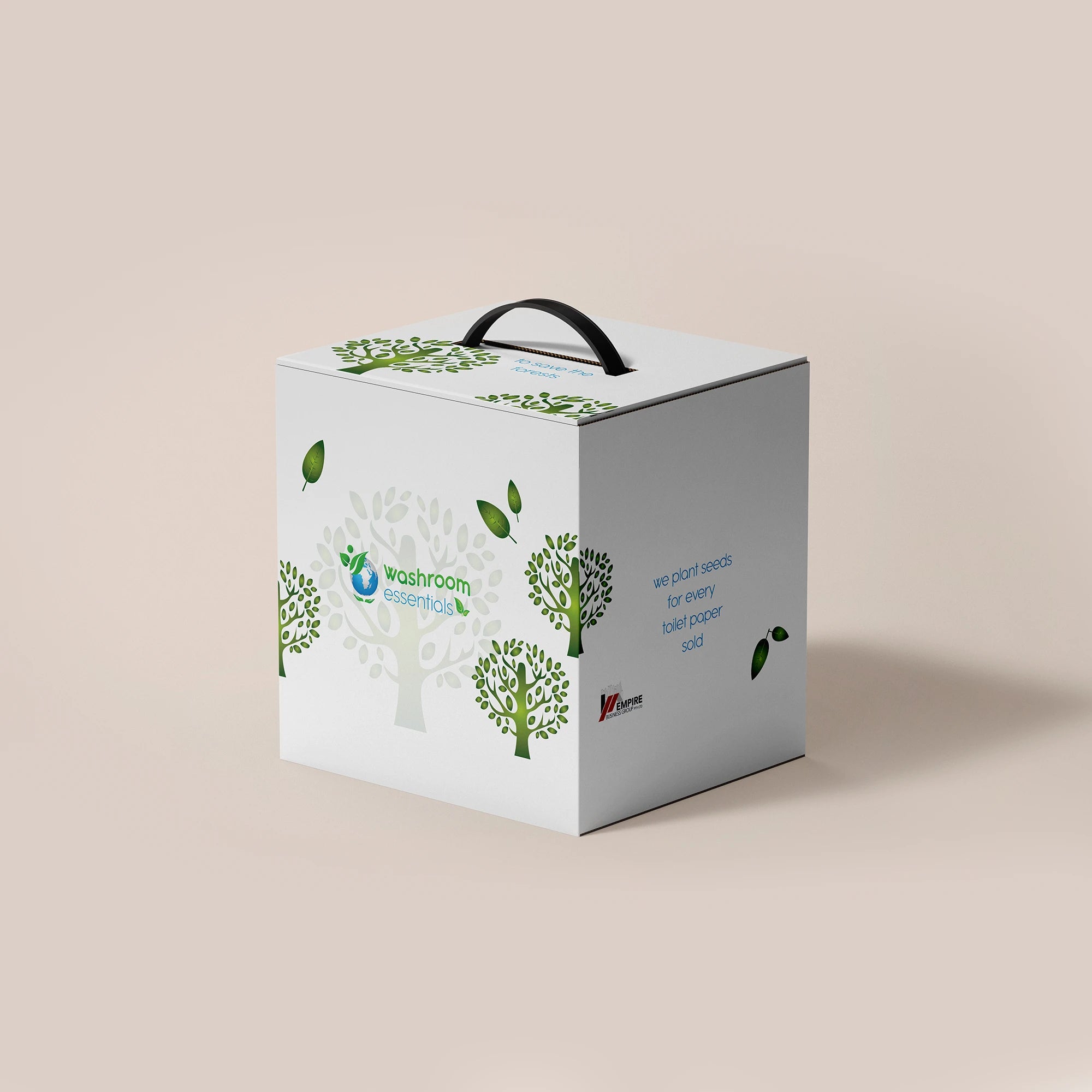
Some buyers also want their spending to support a wider purpose, such as tree planting or community giving. That can be a worthwhile consideration, provided the core product still meets quality, hygiene and budget requirements. Purpose should strengthen a good purchasing decision, not distract from it.
Measure progress without creating paperwork
You do not need a complex reporting system to see whether your approach is working. Track a few useful measures over time: cartons ordered, average time between orders, emergency purchases, product complaints and waste collection observations. If a dispenser change reduces towel use or a better-quality roll lasts longer, the results should become visible in these patterns.
Review your preferred products at least once a year, or sooner if your site changes. A growing team, a new tenant mix or a busy season can alter demand quickly. Keep what works, adjust what does not, and avoid changing products solely for a marketing claim.
A greener washroom starts with ordinary purchasing decisions made more carefully. Choose supplies people can rely on, ask for evidence behind environmental claims, and build ordering habits that prevent waste before it begins. That is a practical standard any home, workplace or venue can carry forward with confidence.