
Ethical Purchasing Trends That Matter in 2026
A carton of toilet paper, a case of hand towels or a regular tissue order can look like a routine expense on a spreadsheet. Yet ethical purchasing trends are changing what Australian households and organisations expect from these everyday products. Buyers still need reliable supply, fair pricing and dependable quality, but they increasingly want to know what sits behind the pack: the material source, the manufacturing choices, the packaging and the wider impact of their spend.
For office managers, cleaners, hospitality operators and busy households, the shift is not about making procurement complicated. It is about choosing practical washroom essentials that meet hygiene needs while supporting better environmental and social outcomes.
Why ethical purchasing trends are gaining ground
The strongest ethical purchasing decisions start with a practical reality: consumables are bought often. A workplace may go through cartons of toilet paper and paper towels every month. A café, accommodation venue or commercial property may order in larger volumes still. Small improvements in product choice can add up quickly when purchasing is recurring.
Australian buyers are also more alert to vague environmental claims. Terms such as “eco-friendly” can be useful, but only when they are backed by clear information. A product made with recycled fibre, responsibly sourced virgin fibre or rapidly renewable materials such as bamboo may be a better fit than a conventional alternative, but the details matter. Certifications, fibre content and transparent product specifications give purchasers something meaningful to assess.
This scrutiny is not limited to large organisations with formal sustainability policies. Households are asking similar questions, particularly when buying in bulk. They want products that feel good to use, arrive when needed and do not require them to compromise their values just to keep the bathroom stocked.
Ethical purchasing trends in washroom supplies
One clear trend is the move from a single-focus price comparison to a value comparison. The cheapest roll on the shelf is not always the lowest-cost option once sheet count, roll length, strength, replacement frequency and delivery are considered. For a business, poor-quality paper can also create unnecessary waste, higher usage and more frequent maintenance.
This is why hotel-quality products and commercial-grade paper goods continue to appeal to ethical buyers. Quality supports responsible use. When a hand towel performs properly, users are less likely to take several sheets. When toilet paper is soft, strong and consistently supplied, facilities can avoid the disruption and last-minute substitutions that lead to wasteful purchasing.
Material choice is another major consideration. Recycled paper helps keep existing fibre in use for longer, while FSC-certified products provide a recognised pathway for buyers seeking responsibly managed forest sources. Bamboo-based paper appeals to purchasers looking for an alternative fibre option. No one material is automatically right for every setting, however. Recycled content, product performance, transport distance, production processes and end-of-life outcomes all affect the overall picture.
The best choice depends on the site. A premium hospitality venue may need a soft, presentation-ready tissue alongside its sustainability requirements. A high-traffic office bathroom may prioritise dispenser-compatible hand towels that reduce overuse. A household might choose carton quantities to cut down on emergency supermarket trips and excess outer packaging over time.
Packaging is receiving more attention too. Ethical buying is not simply about what is inside the wrapper. Buyers are looking for sensible pack formats, less unnecessary material and delivery models that help consolidate orders. Ordering a planned bulk supply can be more efficient than placing repeated small orders, provided there is enough dry, clean storage space and the product will be used before it deteriorates.
Proof matters more than promises
Responsible purchasing is becoming more evidence-led. For procurement teams, this may mean checking certifications and supplier information before adding an item to an approved range. For household buyers, it can be as straightforward as reading the product description rather than relying on front-of-pack language alone.
There are several useful questions to ask before purchasing washroom paper products. What is the fibre made from? Is there a recognised certification or a clear statement of recycled content? How many sheets, rolls or units are included in the carton? Will the product work with existing dispensers? Does the supplier explain its environmental or community commitments in a specific way?
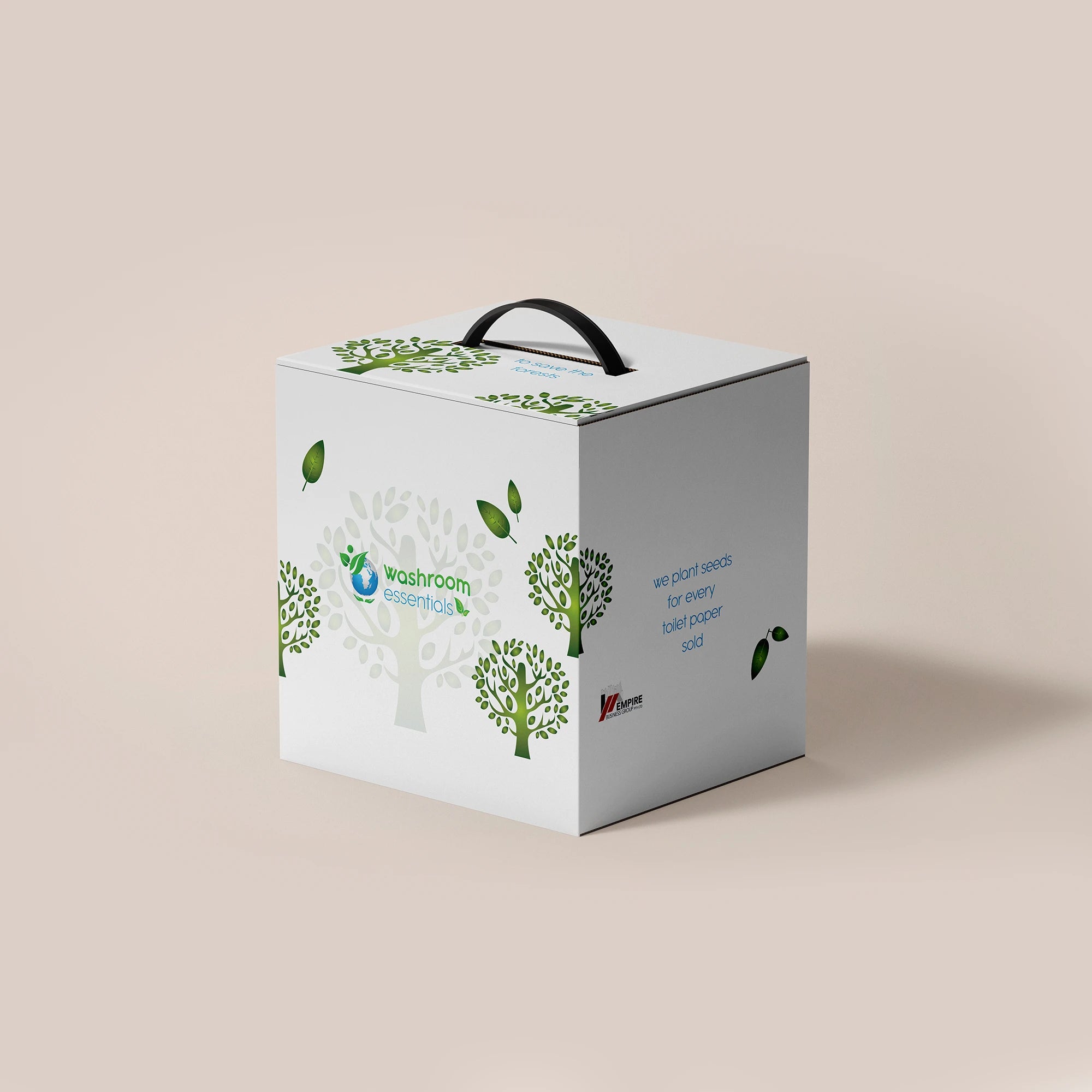
Specificity builds trust. Claims are more credible when a supplier can identify the material, certification or action behind them. For example, responsible sourcing information is more useful than a broad green label. A stated community contribution is stronger when it explains how the contribution is made. Tree planting and local community support can form part of a positive purchasing model, but they should complement responsible product choices rather than distract from them.
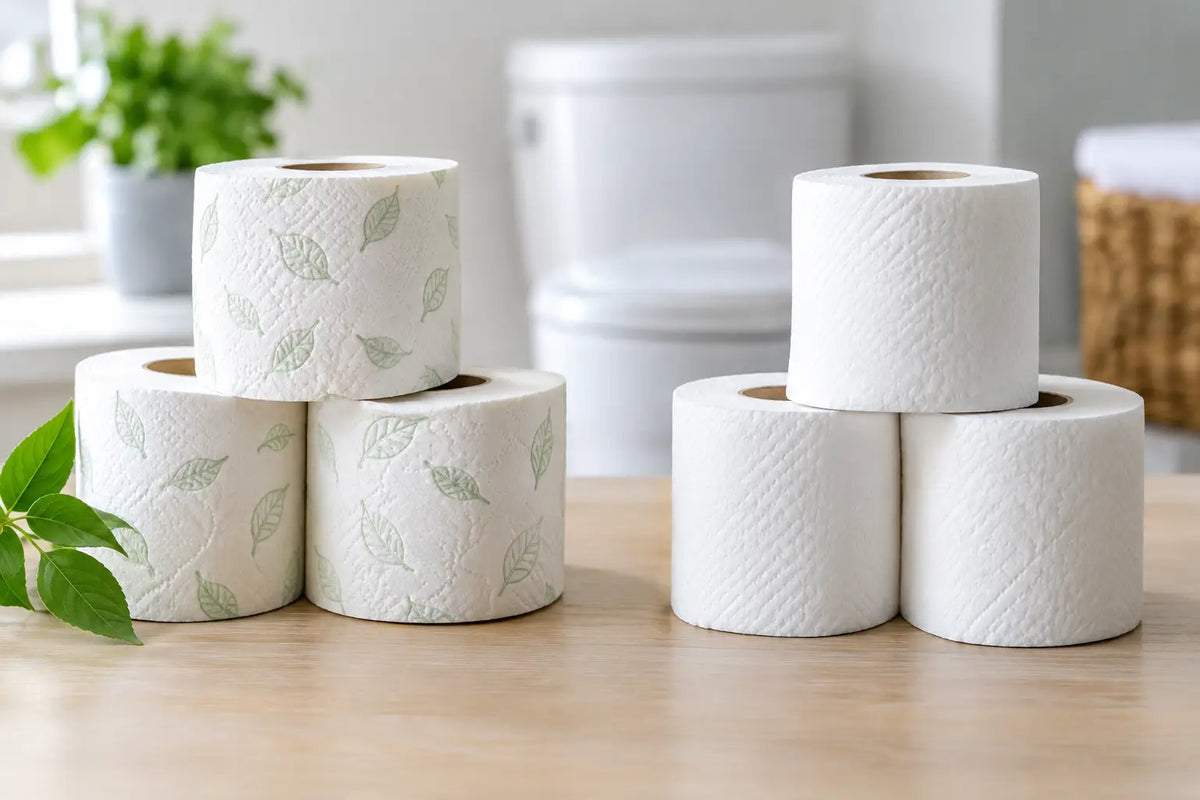
This approach also protects buyers from greenwashing. A package with leaves printed on it does not automatically represent a lower-impact purchase. Ethical procurement should be measured, not performative.
The commercial case for buying better
Some buyers still assume ethical purchasing means paying more. Sometimes it can. Certified materials, stronger product specifications and credible supply practices may carry a higher upfront price than the lowest available alternative. But price alone rarely tells the whole story.
A well-chosen bulk carton can reduce cost per unit and make stock control easier. Consistent product quality can help reduce complaints from staff, guests or tenants. The right dispenser and towel format can lower consumption. Direct-to-door delivery can save a manager valuable time otherwise spent collecting supplies or chasing multiple vendors.
The commercial benefit is strongest when ethical considerations are built into normal purchasing routines rather than treated as a separate project. Set par levels for high-use items, review usage every few months and standardise products where possible. This gives organisations clearer data, fewer surprise shortages and better buying power without losing sight of environmental standards.
For smaller businesses, the process does not need a lengthy policy document. Start with the items ordered most often. Toilet paper, hand towels, facial tissues and bin liners are sensible places to look because usage is regular and improvements are easy to repeat.
How to make ethical choices without creating procurement friction
The most effective purchasing systems are simple enough to follow on a busy day. Begin by matching products to the purpose of each washroom. A customer-facing bathroom may require a more premium finish, while a staff amenities area may be better suited to high-capacity, recycled options. There is no benefit in over-specifying every product if a more practical alternative performs well.
Next, look at the whole order rather than each item in isolation. Combining essentials into a predictable order can reduce administrative work, improve stock reliability and make it easier to compare the true cost of supply. Bulk buying is particularly useful for organisations with steady demand, although it should not lead to cartons being stored in damp areas or blocking valuable workspace.
Then set minimum standards that are easy to verify. These could include choosing recycled, FSC-certified or bamboo options where appropriate; checking dispenser compatibility; and favouring suppliers that clearly communicate product information and wider commitments. The aim is not perfection. It is a purchasing habit that improves over time.
At Washroom Essentials, this balance sits at the centre of the offer: dependable washroom supplies for everyday use, with environmentally conscious options and a commitment to positive community impact. Buyers should still compare product specifications against their own needs, but they should not have to choose between practical supply and responsible intent.
Ethical buying is becoming an everyday expectation
The next stage of ethical purchasing will be less about dramatic statements and more about consistency. Buyers will expect paper goods to be good quality, sensibly priced and clearly explained. They will also expect suppliers to show how materials are sourced, how orders are delivered and how stated environmental or social commitments are put into practice.
That is good news for workplaces and households alike. Everyday essentials are one of the easiest places to make values visible because the decision is repeated so often. Choosing the right carton, towel or tissue may seem small, but regular choices create the purchasing patterns that suppliers respond to.
The most useful place to start is your next replenishment order: choose products that suit the washroom, use them efficiently and ask for clear proof that your spend supports the standards you want to see.