
Best Bulk Toilet Paper for Office Use
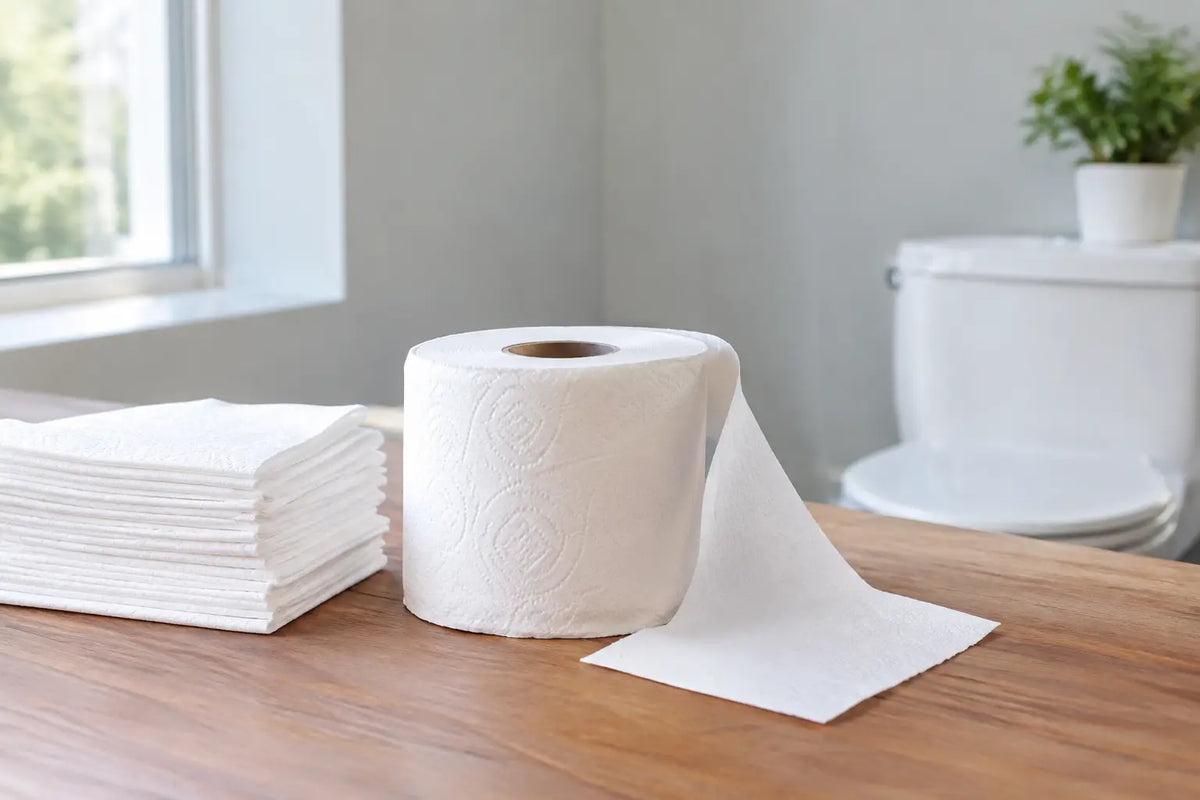
If your office runs out of toilet paper, people notice immediately. Not because it is glamorous procurement, but because it is one of those essentials that only gets attention when it fails. Choosing the best bulk toilet paper for office bathrooms is really about preventing hassle, keeping standards high and making sure your supply works for your team, your budget and your values.
For most Australian workplaces, the right product sits somewhere between comfort, cost control and reliable stock levels. Go too cheap and staff complaints usually follow. Go too premium and the per-roll price can climb faster than expected, especially across multiple bathrooms. The best choice is usually the one that holds up in daily use, fits your dispensers or storage setup, and arrives consistently when you need it.
What makes the best bulk toilet paper for office settings?
The short answer is that it depends on traffic, expectations and how often you want to reorder. A small professional office with one or two bathrooms can justify a softer, more premium product because usage is lower and presentation matters. A warehouse, school-adjacent site or high-traffic commercial building may need stronger value per sheet and larger carton quantities to keep costs predictable.
Softness matters, but it is not the only measure of quality. A roll that feels pleasant yet disappears too quickly may cost more over time than a slightly firmer paper with better sheet yield. Strength matters as well. Toilet paper that tears too easily tends to increase usage because people pull more than they need. That can wipe out any savings from a lower unit price.
Roll length is another detail that gets overlooked. Bulk buying is not just about ordering more packs at once. It is about finding the right format for your bathrooms. Standard rolls can work well in smaller offices where replacing them is easy. Jumbo rolls are often better for high-use areas because they reduce servicing time and the risk of empty dispensers during the day.
Bulk toilet paper for office bathrooms - the real buying factors
When office managers or procurement teams compare options, four factors usually matter most: cost per roll, cost per sheet, storage efficiency and user experience. The challenge is that these do not always point to the same product.
A low carton price looks attractive, but cost per sheet gives a more accurate picture of value. Two cartons may look similar until you compare roll length and ply. One may offer more usable paper for the spend. In office environments, that difference adds up quickly over monthly or quarterly ordering.
Storage also matters more than many buyers expect. If your supply cupboard is already tight, oversized cartons can create frustration rather than convenience. In that case, a compact carton with longer rolls may be the better commercial choice. On the other hand, if you manage multiple sites or want to reduce ordering frequency, larger-volume cartons often make life easier.
Then there is user experience. Staff and visitors notice the quality of washroom products. Toilet paper that feels rough, dusty or inconsistent can make a workplace feel poorly maintained even when the rest of the space is spotless. For client-facing offices, premium presentation has practical value.
Recycled, bamboo or virgin pulp?
This is where product choice starts to reflect brand values as well as bathroom performance. Recycled toilet paper has improved significantly and can be an excellent option for offices that want a strong sustainability story without giving up everyday reliability. For many workplaces, it offers the best balance between environmental responsibility and practical cost.
Bamboo toilet paper appeals to buyers looking for a more renewable fibre source. It is often soft, strong and well suited to businesses that want to support lower-impact purchasing. That said, bamboo products can sit at a higher price point, so they make the most sense when sustainability is a visible priority for the organisation.
Virgin pulp still has a place, particularly where a premium feel is expected. Executive offices, boutique firms and hospitality-adjacent settings sometimes prefer the softer finish and bright appearance. The trade-off is that buyers should look closely at certification and sourcing standards if environmental performance is also important.
For many Australian businesses, the strongest choice is not simply the cheapest or softest product. It is the one that meets hygiene expectations while aligning with procurement goals around certification, recycled content or broader environmental commitments.
How many rolls should an office buy at once?
There is no perfect formula, but usage patterns are usually more predictable than they first seem. A small office with fewer than 15 staff may get good value from ordering enough for one to three months at a time. Larger workplaces, shared commercial buildings or high-visitor environments often benefit from carton-based ordering that covers a longer period, especially if storage space is available.
The aim is to avoid two common problems: ordering too little and paying for frequent top-ups, or ordering far too much and filling valuable storage areas with slow-moving stock. A sensible starting point is to track how many rolls your office uses across a fortnight, then scale that against delivery lead times and your preferred reorder cycle.
This is one of the reasons buyers often choose a dependable online supplier rather than grabbing whatever is cheapest from week to week. Consistency matters. If your preferred product changes every order, staff notice the difference and inventory planning becomes harder.
Choosing between standard and jumbo rolls
Standard rolls suit smaller offices, lower-traffic bathrooms and workplaces where presentation matters. They are easy to store, familiar to staff and generally offer more product choice across recycled, bamboo and hotel-quality ranges.
Jumbo rolls are usually the better fit for busy shared amenities, larger offices and commercial premises where refill frequency needs to stay low. They reduce maintenance time and are less likely to run out during the workday. The main consideration is dispenser compatibility. If your bathrooms are set up for standard rolls, switching to jumbo may involve extra upfront cost.
That trade-off can still be worth it. In higher-use offices, fewer changeovers often mean cleaner bathrooms, lower labour time and more consistent availability for staff and visitors.
Why sustainability is now part of the buying decision
Office purchasing has changed. Buyers are no longer comparing paper products on price alone. They are also looking at recycled content, FSC-certified materials, packaging, carbon impact and whether a supplier supports broader community outcomes.
That does not mean every office needs to buy the most premium eco product on the shelf. It means sustainability should be part of the value equation. A well-priced recycled or bamboo option with dependable stock availability can help businesses meet internal environmental goals without creating friction for the people managing supplies.
For many organisations, that balance matters just as much as softness. Practical products with a clear environmental benefit are easier to justify internally and easier to keep ordering over time. That is especially true for offices trying to standardise purchasing across multiple everyday consumables.
When paying more makes sense
There are times when premium toilet paper is the right commercial decision. If your office hosts clients regularly, if employee experience is a priority, or if your workplace positions itself as high-end, washroom quality becomes part of the overall impression. In these settings, hotel-quality paper can support the standard your business wants to project.
It can also make sense in smaller teams where the cost difference per person is modest. Upgrading from a budget product to a softer, stronger roll may have only a minor effect on the monthly spend, while noticeably improving the experience in the bathroom.
Where it makes less sense is in very high-traffic environments where consumption is heavy and the added comfort is unlikely to offset the cost. In those spaces, longer rolls, good strength and reliable delivery usually matter more than premium softness.
A practical way to choose the best bulk toilet paper for office supply
Start with your bathroom traffic and current usage. Then look at roll format, cost per sheet and whether the paper quality matches the expectations of your workplace. After that, check sustainability credentials and think about whether your supplier can keep stock consistent over repeat orders.
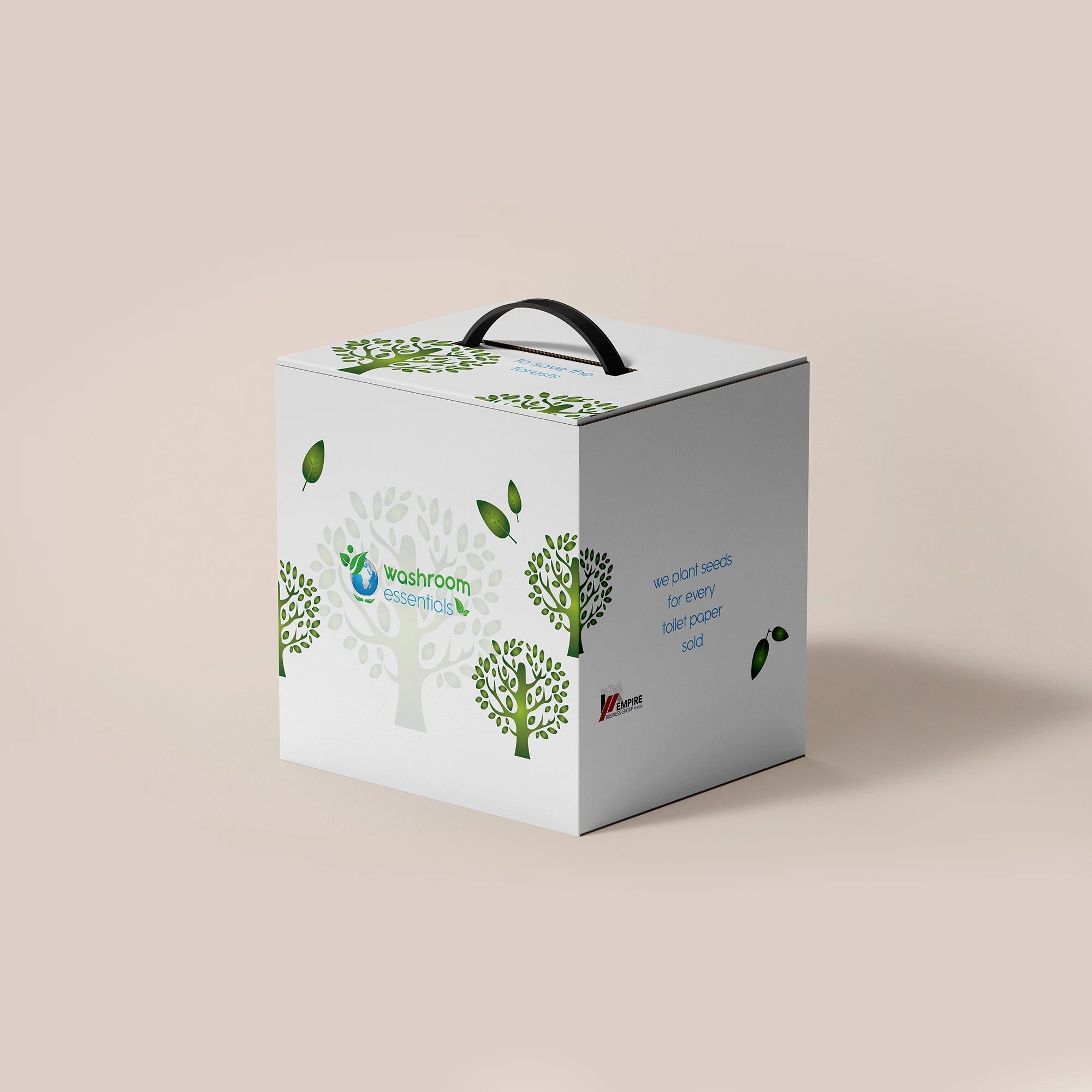
The best buying decisions are usually the least dramatic ones. A dependable carton size, a quality level that suits your workplace, and a product you can reorder without second-guessing every month will save more time than chasing tiny short-term savings. That is why many Australian businesses now prefer specialist suppliers such as Washroom Essentials, where practical product choice, bulk value and environmentally responsible options sit in the same place.
Toilet paper is a simple product, but the right supply decision keeps your office running smoothly in a way people rarely notice - and that is usually the best result of all.