
Are Recycled Paper Towels Hygienic to Use?
A hand towel has one simple job: help people dry clean hands without spreading mess around the washroom. So, are recycled paper towels hygienic? Yes. Quality recycled paper towels are hygienic for everyday hand drying when they are properly manufactured, stored dry and used as single-use towels.
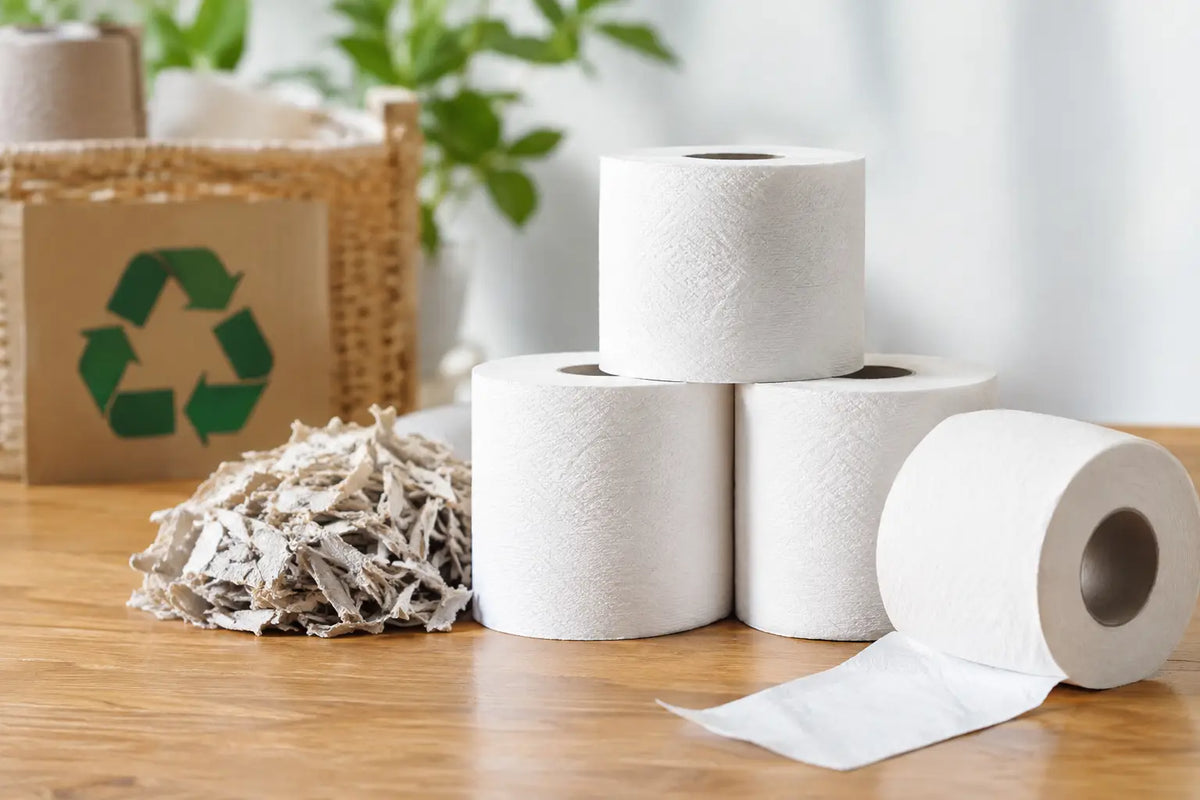
The word ‘recycled’ can understandably raise questions. It does not mean a towel is made from dirty paper and sent straight back into a dispenser. Recycled paper goes through an industrial cleaning and manufacturing process before it becomes a new paper product. For households, offices, cafés, accommodation venues and shared facilities, recycled hand towels can be a practical choice that supports hygiene standards while reducing demand for virgin fibre.
Are recycled paper towels hygienic in shared washrooms?
For normal washroom use, recycled paper towels are as hygienic as other paper towel options. The key hygiene benefit comes from the way a paper towel is used: one person takes a fresh towel, dries their hands, then disposes of it. Unlike a shared cloth towel, it is not passed from hand to hand throughout the day.
Paper towels are not intended to be sterile, whether they are made from recycled or virgin fibre. Sterility is not necessary for routine hand drying. What matters is that the towel is clean when dispensed, sufficiently absorbent for effective drying, and protected from moisture and contamination before use.
This distinction is especially useful for workplaces. A busy office bathroom, restaurant washroom or public facility needs supplies that support consistent habits. Fresh, single-use towels in a suitable dispenser make it easier for staff and visitors to dry hands properly and avoid touching shared surfaces with wet hands.
How recycled paper towels are made clean
Recycled paper production is more involved than simply breaking down old paper. Recovered paper is sorted, pulped with water and processed to remove unwanted materials such as staples, adhesives, ink and other contaminants. The fibres are cleaned and refined, then formed into sheets and dried at high temperatures.
By the time the finished rolls or folded towels are packaged, they are a new product. Responsible manufacturers also operate quality controls designed to keep products consistent and suitable for their intended use.
The exact process varies by manufacturer and by the type of recovered fibre used. Some recycled towels are made with a high percentage of post-consumer recycled material, while others use a blend of recycled and other responsibly sourced fibres. That is why product specifications matter more than a broad assumption about all recycled paper products.
A recycled towel may have a more natural colour than bright white virgin-fibre paper. That colour is an aesthetic difference, not a sign that the towel is less clean. In many commercial washrooms, the natural look is also a visible signal that the business has made a more environmentally considered choice.
Recycled does not mean lower standards
There is a long-standing idea that environmentally responsible paper products must feel rough, thin or less reliable. That is no longer a fair rule. Recycled towel quality differs between ranges, just as virgin paper towel quality does. Some are designed for economical high-volume use; others offer better softness, strength and absorbency for offices, hospitality and premium bathrooms.
A good hand towel should absorb water efficiently and hold together during normal use. If a towel requires several sheets to dry hands, apparent savings can disappear through higher consumption. Choosing the right grade for the setting is better for the budget, the cleaner’s workload and the environment.
What actually affects paper towel hygiene
The towel’s fibre source is only one small part of the picture. Day-to-day hygiene depends far more on handling, storage and dispensing.
A carton stored in a clean, dry storeroom will protect its contents until needed. Once towels are loaded into a dispenser, the dispenser should be maintained so users can remove a towel without reaching into a pile or touching the next sheet. This is particularly valuable in high-traffic washrooms, where loose stacks of towels can quickly become untidy or damp.
Moisture is the main enemy. Paper towels should not be stored under leaking pipes, beside wet cleaning equipment or directly on a damp floor. If a roll or pack becomes wet before use, discard it. Wet paper can break down, harbour surface contamination and create an unpleasant experience for users.
Cleaning teams should also avoid overfilling dispensers. A tightly packed unit can prevent towels from feeding correctly, leading people to pull at the opening or open the dispenser. The best setup is a correctly sized towel and dispenser combination, checked regularly and refilled before it runs out.
For a dependable washroom routine, focus on these practical controls:
- Keep unopened cartons in a dry, clean storage area, ideally raised off the floor.
- Use a dispenser that protects towels while allowing one-at-a-time access.
- Refill dispensers with clean hands or gloves and follow the site’s cleaning procedures.
- Remove any wet, damaged or exposed towels rather than leaving them available for use.
Choosing recycled towels for your setting
The right product depends on who is using the washroom and how often. A small household may prioritise a soft, absorbent roll for the kitchen and bathroom. An office manager may need folded towels that fit existing dispensers and keep replenishment straightforward. Hospitality venues often need a towel that looks presentable, performs well during peak periods and can be bought in bulk with reliable supply.
Start by checking the format. Centre-feed rolls, compact rolls, interleaved towels and multifold towels are designed for different dispensers and traffic levels. A quality towel is only convenient when it fits the unit correctly.
Then consider absorbency and sheet strength. For hand drying, a stronger towel may reduce the number of sheets used per person. For cleaning spills, a more absorbent roll can save time and reduce waste. Product descriptions should clearly state the roll length, sheet count, ply and compatible dispenser type, helping procurement teams compare value beyond the price per carton.
Environmental credentials are worth checking too. Look for clear recycled-content information and recognised responsible sourcing or environmental certification where relevant. These details give buyers a better basis for evaluating claims than vague ‘green’ packaging alone.
For many organisations, the practical sweet spot is a recycled towel that performs consistently, suits the existing washroom setup and is ordered in carton quantities that match storage space and usage. Running out of hand towels can undermine an otherwise well-managed facility, while excessive stock can be difficult to store safely.
When might a different towel be required?
There are settings where a standard recycled paper towel may not be the right product, but this is usually about the task rather than hygiene concerns about recycling. Medical, laboratory, food-production or specialised cleaning environments may have site-specific procedures, approved consumables or requirements for low-lint materials. Follow those procedures and select products specified for that application.
Similarly, a premium venue may prefer a softer or brighter towel for presentation, while a workshop may prioritise industrial strength and volume. Neither choice makes recycled towels inherently unhygienic. It simply reflects different performance requirements.
For everyday bathrooms, kitchens and staff amenities, recycled paper towels offer a sensible balance of cleanliness, convenience and reduced environmental impact. They help support single-use hand drying while giving homes and businesses a practical way to make more considered purchasing choices.
The best result comes from choosing a quality towel, pairing it with the right dispenser and keeping stock dry, protected and ready to use. That is a small washroom decision that supports cleaner hands, smoother operations and a more responsible supply routine.