
A Sustainable Procurement Success Story That Works
A sustainable procurement success story is not created by buying one eco-labelled carton and calling the job done. It happens when a workplace, venue or facilities team keeps washrooms properly stocked, controls costs and makes purchasing choices that create a lighter environmental footprint over time.
Consider a typical Melbourne-based commercial property manager responsible for several office floors. Their washrooms needed toilet paper, hand towels and facial tissues every week. Orders were being placed reactively through different suppliers, storerooms were cluttered with mismatched products, and staff were occasionally left chasing emergency stock. The intention to buy more responsibly was there, but reliability and price still had to come first.
The change began when the manager treated washroom supplies as a regular procurement category rather than a last-minute expense. By reviewing usage, standardising core products and choosing certified recycled or bamboo paper options where they suited the site, the team improved both the purchasing process and its environmental outcomes. That is the kind of practical progress worth calling a success.
What made this sustainable procurement success story credible
Sustainable procurement only works when it fits day-to-day operations. A product may have strong environmental credentials, but it is not the right choice if it cannot meet hygiene expectations, arrives inconsistently or costs so much that the budget cannot support repeat orders.
In this case, the property manager first looked at what was actually being used. Premium two-ply toilet rolls had been supplied in some bathrooms, while lower-quality alternatives were used in others. Different roll sizes meant cleaners had to carry multiple refills, and paper towel formats did not always match the dispensers on site. The result was unnecessary complexity, variable quality and avoidable waste.
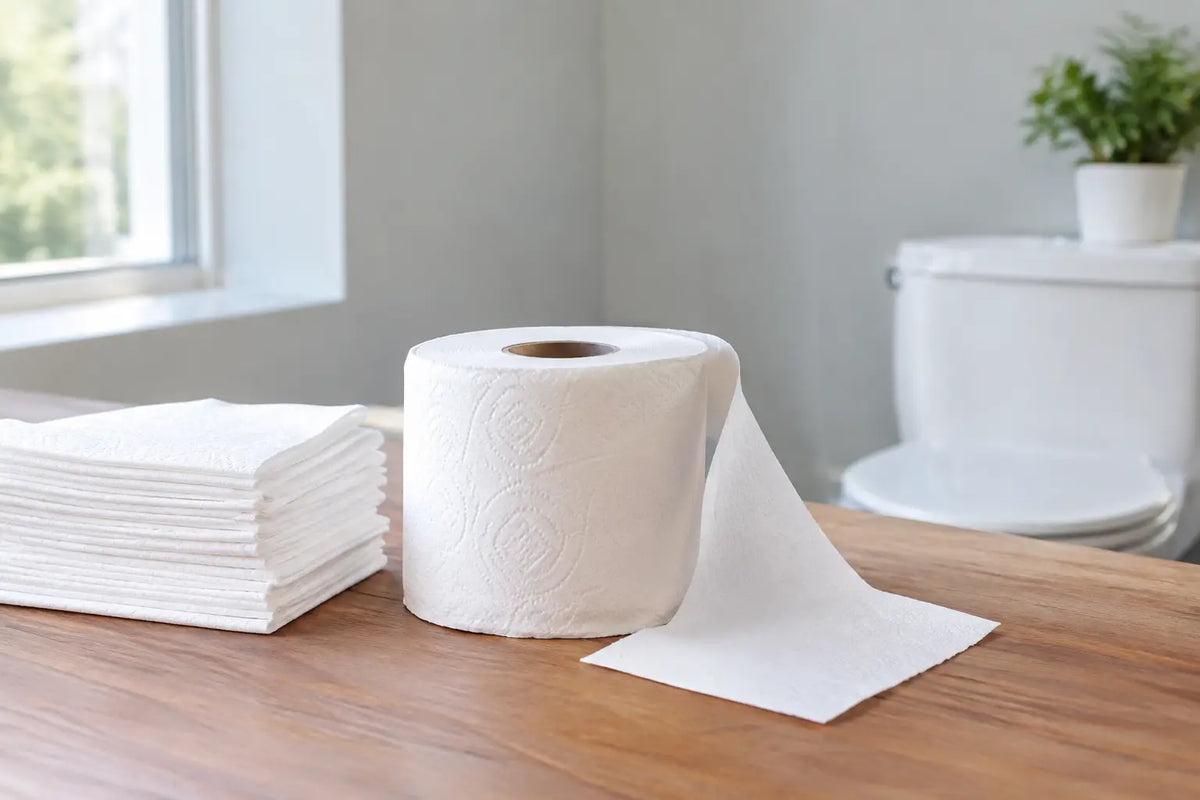
The team then selected a smaller, dependable range: quality toilet paper for common amenities, compatible hand towels for high-traffic washrooms and facial tissues for meeting rooms and reception areas. Choosing carton quantities made ordering more predictable and reduced the number of small deliveries arriving at the building.
Sustainability was built into the decision through material and supplier criteria, rather than added as an afterthought. FSC-certified paper, recycled content and bamboo options were assessed alongside practical matters such as sheet quality, dispenser fit, carton size and stock availability. This gave the manager a defensible procurement decision: products had to perform first, while delivering a better environmental choice wherever possible.
Start with consumption, not assumptions
The most useful procurement data is often already in the building. A cleaner knows which amenities run out first. Reception staff notice when visitor numbers rise. The accounts team can see how often emergency orders appear. Bringing those signals together gives a much clearer view than guessing how much product a site needs.
For the office manager, a four-week review revealed a simple pattern. Hand towels were used heavily near shared kitchens and main entrances, while toilet paper demand stayed relatively consistent. Meeting room tissues fluctuated with events and client visits. With that information, the manager could set a sensible base order and hold a modest reserve for busy periods.
This matters because over-ordering is not automatically sustainable. Excess cartons take up valuable storage space, can be damaged by moisture or poor handling, and may encourage wasteful use simply because there is plenty on hand. Under-ordering is no better. It creates urgent freight, disrupts cleaners and can leave employees or guests with a poor washroom experience.
The right balance depends on your premises. A café, hotel or sports venue will have sharper peaks than a small professional office. A multi-tenant building may need more frequent deliveries but lower on-site stock. The goal is not a single universal order quantity. It is a reliable system based on real consumption.
Standardisation reduced waste beyond the paper product
Standardising products was one of the quiet wins in this example. When cleaners know exactly which hand towel fits each dispenser and which toilet roll belongs in each bathroom, replenishment is faster and mistakes are less likely. It also reduces the chance of partially used, incompatible stock being left in cupboards.
There is a trade-off here. Standardisation can limit choice, especially where different tenants or hospitality areas expect a more premium finish. The answer is not to force every washroom into the same specification. Instead, set a core range for most spaces, then allow a higher-grade option where guest experience genuinely requires it. Hotel-quality paper can be a sensible choice for executive amenities, accommodation and client-facing bathrooms, while recycled bulk products may suit staff areas and high-volume facilities.
Choosing better paper without compromising hygiene
Paper consumables are a frequent purchase, which makes them a meaningful place to improve procurement practices. But labels should be understood in context.
FSC certification can help buyers identify products sourced with responsible forest management in mind. Recycled paper can reduce reliance on virgin fibre, while bamboo can be an appealing rapidly renewable fibre option. None of these descriptions alone guarantees that a product is best for every application. Buyers should still assess softness, absorbency, ply, sheet size, dispenser compatibility and how quickly the product is used on site.
For instance, a very thin towel may look cheaper per carton but require users to take several sheets each time. A stronger, more absorbent option may reduce consumption in a busy washroom, even if the unit price is higher. Similarly, compact rolls can reduce changeovers, but only if existing dispensers accept them. Sustainable procurement is about total value, not the lowest line item price.
The property manager also considered delivery. Consolidating regular supplies into planned carton orders meant fewer ad hoc purchases and a clearer delivery routine. For organisations across Victoria and wider metro areas, ordering dependable essentials online can remove a significant amount of procurement friction, particularly when stock levels are reviewed before they become urgent.
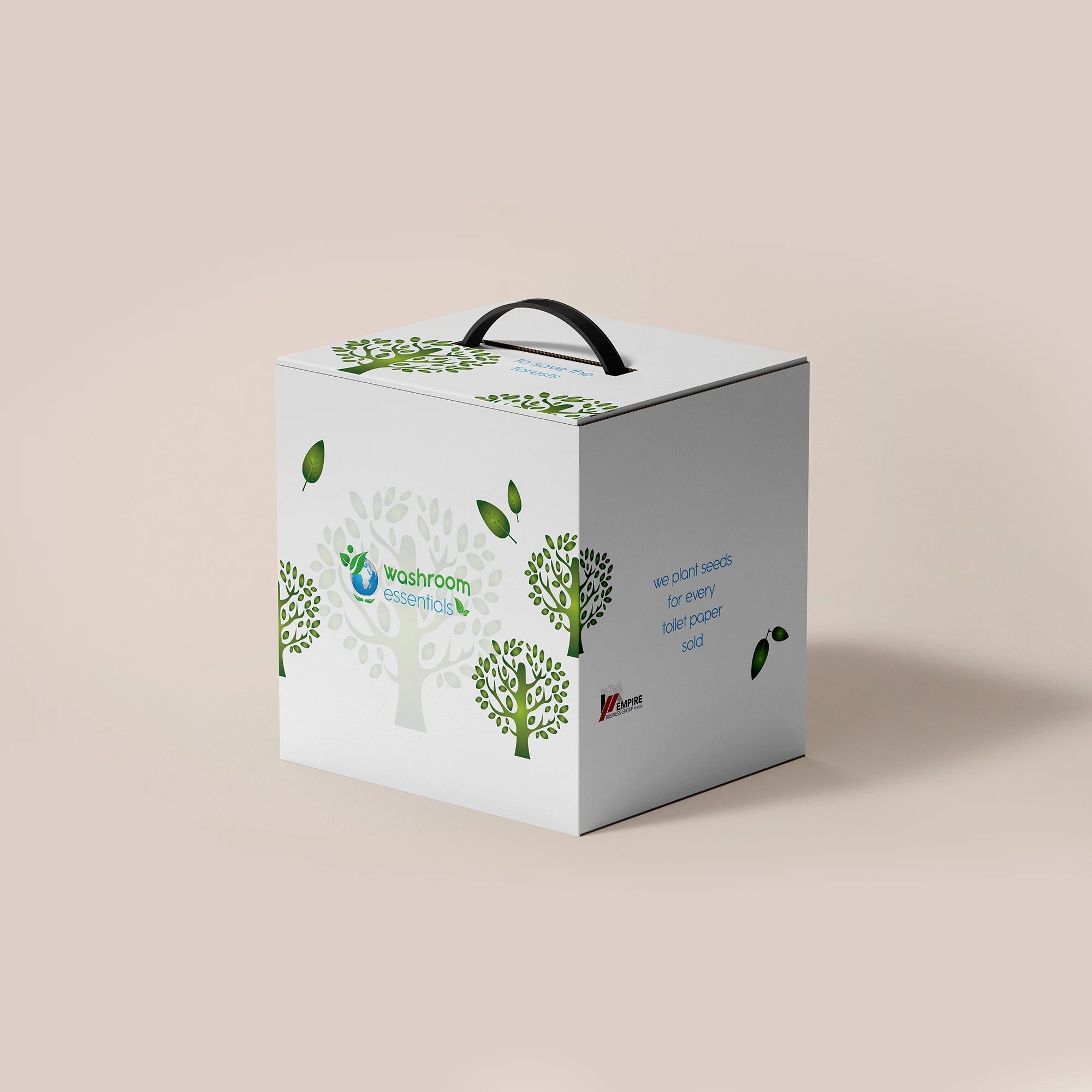
A supplier such as Washroom Essentials can support this approach by bringing toilet paper, tissues, hand towels and dispenser solutions into one regular buying channel. That makes it easier to compare suitable options, keep recurring supplies organised and choose products that reflect environmental priorities without losing sight of quality or value.
Measure the results that matter to your site
A sustainable procurement programme needs simple evidence that it is working. In this story, the manager did not rely on a glossy sustainability statement. They tracked how many emergency orders were needed, whether cleaners reported stock issues, how much duplicate inventory remained and whether product quality complaints changed.
The first result was operational: fewer rushed orders and a more consistent stock position. The second was financial: purchasing became easier to forecast because the team knew its usual carton requirements. The third was environmental: responsible paper choices became part of the normal ordering process rather than a special project that could disappear when workloads increased.
For larger organisations, you may also want to record the proportion of paper products that meet your preferred certification or recycled-content criteria. For a small business, a monthly ordering record and cleaner feedback may be enough. The measurement method should match the scale of the operation. Overcomplicated reporting can consume more time than it saves.
Make the change easy to repeat
The strongest sustainable procurement success story is one that survives staff changes, busy seasons and budget reviews. Document the approved product range, preferred order quantities and the reason each product was chosen. Keep the process clear enough that another team member can place an order confidently.
Review the range every few months, particularly if visitor traffic changes, a new dispenser is installed or a supplier introduces a better option. Check whether cartons are being used efficiently and ask cleaning teams where product performance is falling short. Their feedback is practical procurement intelligence, not an afterthought.
Good washroom procurement is rarely flashy. It is the steady work of choosing quality essentials, ordering them at the right time and reducing waste without making life harder for staff or visitors. When that becomes routine, every carton is an opportunity to keep your premises prepared while making a more considered choice for the community and environment.