
Are Bamboo Tissues Septic Safe?
A blocked septic system is expensive, messy, and never convenient - so it makes sense to question every paper product you flush. If you are wondering, are bamboo tissues septic safe, the short answer is: sometimes, but not always. It depends on the type of tissue, how it is used, and whether your septic system is in good working order.
That answer may sound cautious, but septic safety is rarely about one material alone. Bamboo can be an excellent fibre for soft, strong, more environmentally responsible paper products. Still, not every bamboo tissue is designed to break down the same way toilet paper does, and that difference matters once it enters your pipes or septic tank.
Are bamboo tissues septic safe in real use?
In real households, offices, and commercial settings, the bigger question is not just what the tissue is made from. It is how quickly it disperses in water and whether it creates extra load on the system.
Most facial tissues, including bamboo facial tissues, are made to hold together when used. That is part of the product’s job. They need to feel soft, absorb moisture, and not fall apart in your hand. Because of that, they are usually stronger when wet than toilet paper. For a septic system, that strength can be a drawback.
Toilet paper is manufactured to break down rapidly after flushing. Facial tissues are usually not. Even if bamboo is a natural fibre, a bamboo facial tissue may still break down too slowly for septic-safe flushing. So if the product is a facial tissue rather than a toilet tissue, the safest approach is simple: put it in the bin, not the toilet.
Why bamboo does not automatically mean septic safe
There is a common assumption that if a product is plant-based, biodegradable, recycled, or marketed as eco-friendly, it must also be safe for septic systems. That is not always true.
Bamboo is a fast-growing renewable resource, which makes it appealing for sustainability-focused buyers. It can reduce reliance on virgin tree fibre, and many buyers prefer it for that reason. But septic safety is a performance issue, not just a sourcing issue.
A bamboo product can be environmentally responsible in one sense and still unsuitable for flushing. The fibre blend, sheet construction, ply count, embossing, additives, and wet strength all affect how the paper behaves once it is in water. If a tissue stays intact for too long, it can contribute to clogs in pipes or extra solids in a septic tank.
That is why the label matters more than the headline material. Bamboo is not the problem. Flushing the wrong kind of paper product is.
The difference between bamboo toilet paper and bamboo facial tissues
This is where many shoppers get caught out. Bamboo toilet paper and bamboo facial tissues may sound similar, but they are built for different jobs.
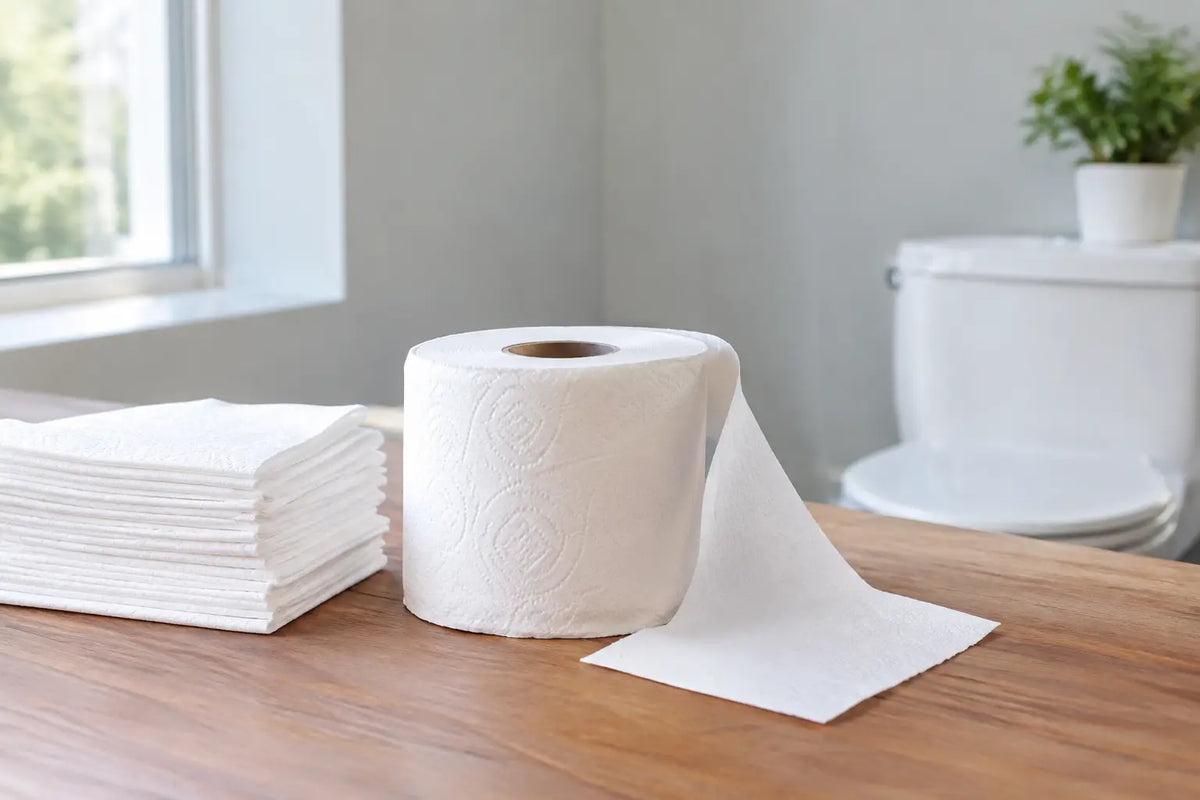
Bamboo toilet paper is specifically made for the toilet. A good-quality version should dissolve reasonably quickly, move through plumbing without trouble, and work with septic systems when used as intended. That is why many septic-conscious households choose septic-safe toilet paper with simple fibre construction and no unnecessary extras.
Bamboo facial tissues are designed for noses, faces, desks, cars, reception counters, hotel rooms, and washroom use outside the toilet. They are often softer and more durable when wet. That extra durability makes them useful in daily life, but less suitable for flushing.
So if you are asking are bamboo tissues septic safe, the answer changes depending on which tissue you mean. Bamboo toilet paper can be septic safe if the product is made for that purpose. Bamboo facial tissues generally should not be flushed, even if they are biodegradable.
What septic systems need from paper products
A septic system works best when waste and water move through it predictably. Solids need time to settle and break down, while liquids flow onward through the system. When paper products do not disintegrate properly, they can build up faster than expected.
That build-up can create several problems. It may increase the need for pump-outs, slow decomposition inside the tank, or contribute to blockages in the line before waste even reaches the tank. In commercial settings, where washrooms see heavier use, that risk grows quickly if the wrong products are being flushed regularly.
For septic-safe performance, paper products should be able to soften and separate fast in water. They should not contain plastic fibres, heavy lotions, or wet-strength binders that cause them to linger. This is why wipes are such a common issue, and why facial tissues can also be problematic.
How to tell if a bamboo paper product is septic safe
The most reliable place to start is the product description or packaging. If a bamboo paper product is suitable for septic systems, reputable manufacturers usually say so clearly.
Look for language such as septic safe, safe for septic tanks, designed for sewer and septic systems, or rapid-dissolving toilet tissue. If that wording is missing, do not assume the product is flushable just because it is made from bamboo, recycled paper, or natural fibre.
It also helps to consider the product category. Toilet paper is the only everyday paper product in the washroom that should be assumed flushable, and even then, only when it is clearly intended for that use. Facial tissues, hand towels, paper towel, wipes and napkins belong in the bin.
For workplaces and hospitality venues, this matters even more. One guest or staff member flushing tissues now and then might not seem significant, but repeated misuse across a site can create preventable maintenance issues.
Trade-offs worth knowing before you buy
There is no shortage of bamboo paper products on the market, and many are excellent. But buyers should know the trade-offs.
Some bamboo tissues feel more premium because they are denser or stronger. That can be a benefit for comfort and presentation, especially in offices, hotels or higher-end amenities. The trade-off is that a stronger tissue is not always better for flushing.
On the other hand, some septic-safe toilet papers break down very well but may feel less plush than ultra-soft alternatives. For most buyers, the best choice sits in the middle: dependable quality, comfortable enough for everyday use, and designed to disperse properly.
This is where practical buying beats marketing claims. If your priority is septic safety, shop by function first and fibre source second. Choose bamboo when it is part of a well-made toilet paper product, not simply because the word bamboo appears on the box.
Best practice for homes, offices and shared bathrooms
For homes on septic, the rule is straightforward. Flush only human waste and septic-safe toilet paper. Keep a lined bin available for facial tissues and other disposable paper products so there is an easy alternative.
For offices, cafés, accommodation sites and managed facilities, clear washroom setup can prevent a lot of trouble. If facial tissues are provided in bathrooms or reception areas, bins need to be visible and easy to use. Staff signage may also help in back-of-house amenities where misuse is common.
Purchasing consistency matters too. Using the right product across all washrooms reduces confusion, simplifies restocking, and lowers the risk of someone substituting hand towels or tissues when supplies run low.
So, are bamboo tissues septic safe?
If you mean bamboo facial tissues, the safest answer is no - they should not be flushed into a septic system. Even when they are biodegradable and made from natural fibre, they are not usually engineered to break down like toilet paper.
If you mean bamboo toilet paper, the answer can be yes - provided the product is clearly labelled septic safe and designed for flushing. In that case, bamboo can be a smart option for buyers who want quality, convenience and a more sustainable paper choice.
For most Australian households and businesses, the best approach is simple. Treat bamboo facial tissues like any other tissue and place them in the bin. Choose septic-safe bamboo toilet paper where you want the environmental benefits of bamboo without creating avoidable plumbing problems.
A good paper product should make daily washroom use easier, not leave you guessing at the toilet door.