
Hotel Supply Savings Without Cutting Standards
A bathroom running out of toilet paper during breakfast service is not a small operational issue. It is a guest experience problem, a housekeeping interruption and often an emergency purchase at a poor price. Real hotel supply savings come from preventing these moments while maintaining the clean, comfortable standard guests expect.
For hotels, motels, serviced apartments and accommodation venues, washroom supplies are recurring costs that can easily drift upward. The answer is not simply buying the cheapest carton. It is choosing the right product format, controlling usage, reducing storage pressure and ordering reliably enough that staff are not constantly chasing stock.
Hotel supply savings begin with the cost per use
The carton price matters, but it does not tell the whole story. A lower-priced toilet roll may be smaller, less absorbent or prone to running out faster. That can mean more changeovers for housekeeping, more rolls used per room and more guest complaints. The apparent saving disappears quickly.
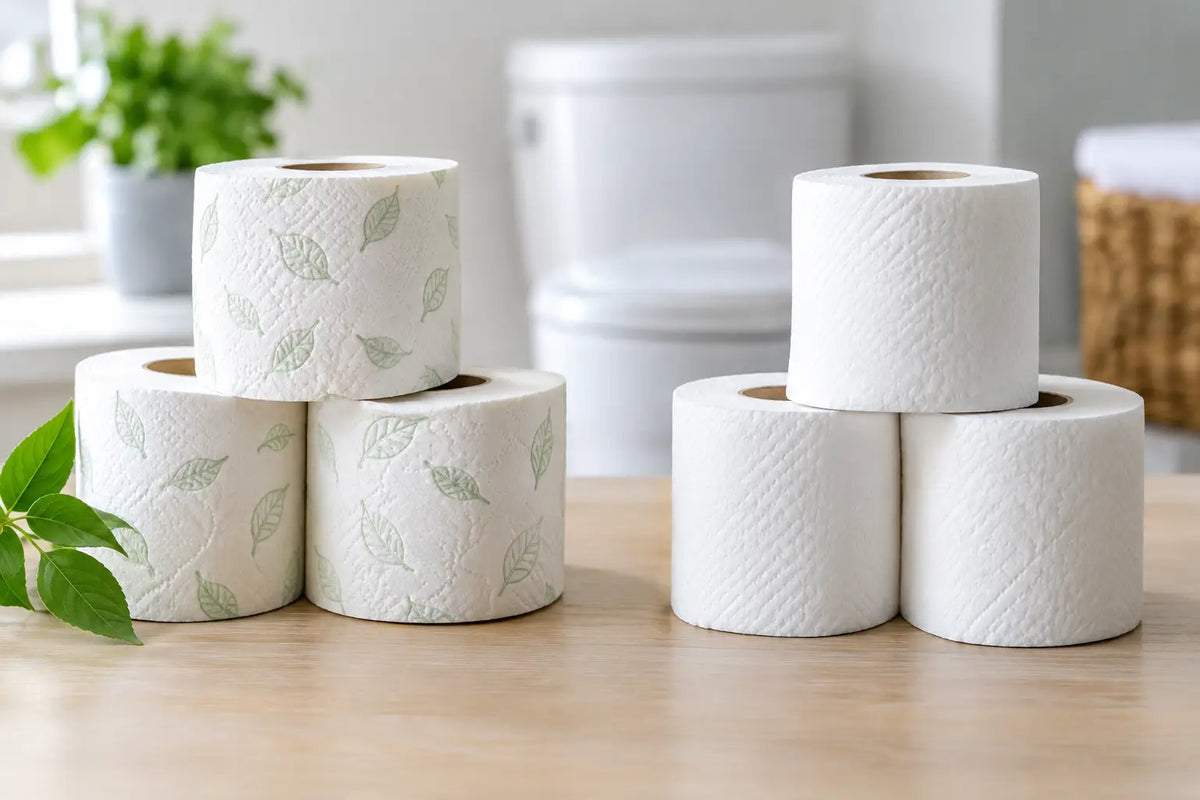
Instead, assess paper products by how they perform in the setting where they will be used. For guest bathrooms, hotel-quality toilet paper with good softness and dependable sheet strength supports comfort without excessive use. In public amenities, a commercial-grade option with a higher sheet count or jumbo format may offer better value because it needs changing less often.
Hand towels follow the same principle. A towel that dries hands effectively with one or two sheets can reduce overall consumption compared with a thinner option that encourages guests to take a large handful. The best choice depends on traffic, dispenser type and the standard of finish you want visitors to associate with your property.
A useful purchasing question is simple: how many guest uses does this carton realistically support? Comparing products this way gives managers a more accurate view of cost than comparing unit prices alone.
Match each supply to the location
Using one paper product throughout an entire property may look simple on an order form, but it is not always the most efficient approach. A boutique room, a busy lobby bathroom and a staff washroom have different needs.
Guest rooms generally benefit from soft, neatly presented toilet rolls and facial tissues. These details affect perceived cleanliness and comfort, particularly when guests are comparing accommodation options. Premium does not have to mean wasteful. The right hotel-quality range can offer a polished experience while remaining practical for frequent replenishment.
High-traffic public washrooms need endurance. Larger rolls, folded hand towels or controlled-dispensing systems can reduce the number of times staff need to service each bathroom during a shift. In staff facilities, durability and reliable availability usually matter more than presentation, making bulk commercial formats a sensible option.
This targeted approach avoids two common problems: overpaying for premium products where they add little value, and placing economy products in guest-facing areas where they can undermine the stay. It is a measured way to make hotel supply savings without treating every bathroom the same.
Consider dispenser compatibility before changing products
Paper and dispenser decisions should be made together. A carton may seem well priced but create problems if it does not fit existing dispensers, feeds poorly or requires staff to manually manage loose stock.
Controlled dispensers can reduce unnecessary use in busy areas and make stock levels easier to monitor. They also help maintain a tidier washroom, which matters when guests assess hygiene at a glance. However, dispensers involve an upfront cost and may not suit every small venue or low-use bathroom.
Before standardising a new product, check roll dimensions, core size, towel fold type and how easily housekeeping can refill the unit. Trial it in one high-traffic location first. A short trial reveals whether the product actually reduces usage and service time under real conditions.
Buy enough stock, not excessive stock
Bulk ordering is often one of the clearest ways to lower the cost of essential supplies. Carton pricing, fewer delivery charges and less time spent raising frequent small orders can all improve the numbers. For a busy property, buying too little can cost more than the price difference on paper alone.
But there is a limit. Overstocking ties up cash, fills linen rooms and creates clutter that makes stock counts harder. Paper products need to stay dry, clean and protected from damage. If cartons are stacked in unsuitable areas, products can become unusable before they reach a bathroom.
Set a practical reorder point based on average occupancy, event periods, seasonal peaks and delivery lead times. For example, a property with weekend surges may need a higher minimum stock level than a venue with steady weekday occupancy. Keep a buffer for unexpected bookings, but review it after major changes in occupancy or product usage.
A simple monthly check can be enough for smaller operations. Count what is on hand, compare it with the previous month’s consumption and note unusual demand. If hand towel use jumps after a conference weekend, that information can guide the next order rather than becoming another last-minute scramble.
Reduce hidden waste in housekeeping routines
Waste is not always visible in a purchasing report. It can sit in part-used rolls removed from rooms, tissue boxes replaced before they are empty, cartons damaged in storage or inconsistent replenishment between shifts.
Clear housekeeping standards make a difference. Staff should know when a partially used roll can remain in place, when it needs replacing for presentation reasons and where usable surplus can be allocated. The right policy balances hygiene and guest expectations with sensible product use.
Room occupancy patterns also matter. If a room is being refreshed for a short stay, replacing every consumable automatically may be unnecessary. For a full turnover, presentation may justify a different approach. There is no single rule for every hotel, but there should be a consistent rule that staff can follow confidently.
Training should also cover storage. Keep cartons off the floor where possible, away from leaks and moisture, and organised so older stock is used first. This takes little time and protects the value already sitting in your storeroom.
Sustainable choices can support long-term value
Sustainability is not separate from procurement. Guests, corporate clients and staff increasingly notice the everyday choices made by accommodation providers, especially in bathrooms where disposable products are highly visible.
FSC-certified, recycled and bamboo paper options can help properties align their supply purchasing with broader environmental commitments. The best option depends on the product’s performance, availability and price point. Recycled paper may suit venues prioritising recovered materials, while bamboo options can appeal where renewable fibre is a central part of the property’s environmental message.
The key is to avoid making a switch based on claims alone. Check quality, absorbency, sheet count and suitability for your dispensers. A sustainable product that performs poorly can increase consumption, which works against both cost and environmental goals. A product that performs well and is used efficiently creates a more credible result.
For Australian accommodation providers, locally convenient delivery also helps simplify replenishment. Ordering washroom essentials online in planned carton quantities can reduce procurement administration and give managers more time to focus on guests, staff and daily operations.
Build a supply plan that staff can actually use
The most effective supply plan is simple enough to survive a busy week. Give each product a defined home, record a minimum stock level and nominate who checks inventory. If several people order supplies, use one agreed product list so substitutions do not create dispenser issues or inconsistent guest-room presentation.
It is worth reviewing the plan quarterly. Look at occupancy, product use, delivery costs, staff feedback and guest comments. If a higher-quality hand towel has reduced consumption and improved presentation, it may be worth retaining. If a bulk format is taking up too much space, a smaller ordering cycle could be the better trade-off.
Washroom Essentials helps Australian hotels and accommodation venues source dependable toilet paper, tissues, hand towels and dispenser supplies in bulk, with quality-focused and environmentally considered options available for regular ordering.
The strongest savings are rarely found in one dramatic change. They build through better product selection, less waste, sensible stock levels and a washroom standard guests can trust every time they close the bathroom door.