
Are FSC Tissues Biodegradable? What Buyers Should Know
A tissue may only be used for a few seconds, but the purchasing decision behind it can affect forests, waste streams and the standards your workplace or household supports. So, are FSC tissues biodegradable? In most cases, yes: plain paper tissues made from wood fibre are biodegradable. But FSC certification and biodegradability are not the same claim, and understanding the difference helps you buy with confidence.
For homes, offices, hospitality venues and commercial washrooms, the most responsible choice is usually a tissue that combines responsibly sourced fibre, practical quality and disposal that suits its intended use. Here is what to look for before adding cartons to the trolley.
Are FSC tissues biodegradable?
FSC tissues are generally biodegradable because they are primarily made from cellulose fibre, the natural material found in trees and plants. When exposed to moisture, oxygen and microorganisms, untreated paper fibre gradually breaks down into simpler natural compounds.
However, the FSC label itself does not guarantee that a tissue will biodegrade within a particular timeframe or in every disposal environment. FSC, which stands for Forest Stewardship Council, relates to how the fibre is sourced and tracked. It indicates that the wood pulp comes from responsibly managed forests and/or other controlled sources, depending on the certification claim shown on the pack.
Biodegradability is about what happens after use. FSC certification is about where the fibre came from before manufacture. Both matter, but they answer different questions.
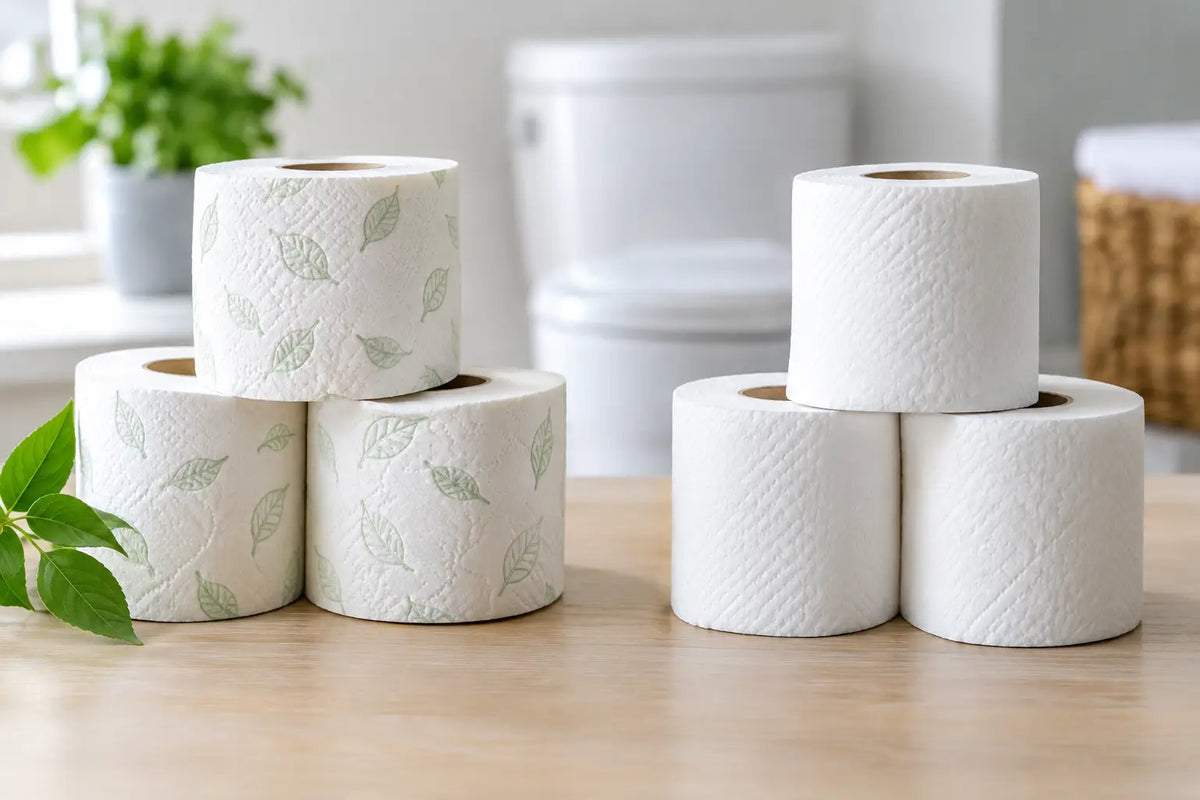
A standard, uncoated facial tissue, toilet tissue or paper hand towel is likely to break down far more readily than products made with plastic films, synthetic fibres, heavy coatings or added wet-strength chemicals. Product construction always matters more than a logo alone when assessing end-of-life impact.
What FSC certification tells you
Choosing FSC-certified tissues supports better forestry practices. FSC standards are designed to protect biodiversity, respect workers and local communities, and promote responsible forest management. For buyers trying to reduce the environmental impact of everyday washroom supplies, that is a meaningful starting point.
You may see different FSC claims on tissue packaging. FSC 100% means all forest-based material in the product comes from FSC-certified forests. FSC Mix means the product contains material from FSC-certified forests, recycled material and/or controlled wood. FSC Recycled indicates the product is made from verified recycled sources.
None of these terms automatically tells you whether the product is compostable, whether it can be flushed, or how quickly it will break down. They do tell you that the fibre supply chain has been assessed against recognised responsible sourcing requirements.
For a business ordering regular stock, this distinction is useful. FSC-certified tissue can help support procurement policies that prioritise ethical sourcing, while recycled tissue can reduce demand for virgin fibre. Bamboo tissue may suit buyers seeking a fast-growing fibre source. There is no single best option for every site. Softness, absorbency, dispenser compatibility, price per sheet and expected usage all need to be considered alongside environmental credentials.
Biodegradable does not always mean compostable
“Biodegradable” is often used broadly, but disposal conditions make a real difference. Paper tissue may biodegrade in the right environment, yet that does not mean it belongs in every compost bin.
Clean, unused tissues made from plain paper can sometimes be suitable for home composting, depending on the product and your local council guidance. They add carbon-rich material and generally break down over time. Tissues used for cleaning food spills may also be accepted in some home compost systems, although council green-waste rules vary across Australia.
Used facial tissues are different. Because they may carry cold, flu or other germs, the safer option is usually the general rubbish bin. The same practical rule applies in workplaces, schools, cafés, hotels and public washrooms. Hygiene comes first, particularly where waste is collected and handled by others.
Do not put facial tissues in the recycling bin. Their fibres are already short, and once a tissue has been used it is often contaminated. These factors make it unsuitable for standard paper recycling processes. Paper hand towels also usually belong in general waste after use unless your facility has a dedicated collection system that accepts them.
Can FSC tissues be flushed?
Only toilet tissue specifically designed and labelled for flushing should go down the toilet. Facial tissues, paper towels, wipes and napkins should never be flushed, even if they are made from biodegradable paper or carry FSC certification.
Toilet paper is manufactured to disperse quickly in water. Facial tissues are designed to hold together when wet, which is useful during a cold but unhelpful in plumbing. Paper towels are stronger again, particularly commercial hand towels intended for busy washrooms.
Putting the wrong product down the loo can contribute to blocked pipes, pump failures and expensive call-outs. For commercial sites, a clearly positioned sanitary bin and simple washroom signage can prevent a recurring maintenance issue. It also protects staff and visitors from the inconvenience of an out-of-order bathroom.
Additives, packaging and product quality
Most quality tissues contain far more paper fibre than anything else, but buyers should still read the pack where environmental performance is a priority. Lotions, fragrance, printed designs, coloured dyes and wet-strength agents can affect how a product performs and breaks down. That does not make every treated tissue unsuitable, but it can make broad claims less straightforward.
Packaging deserves attention too. A biodegradable tissue wrapped in unnecessary plastic does not erase the impact of the packaging. Bulk cartons can reduce the amount of wrapping needed per box of tissues or per roll compared with frequent purchases of small packs. They also make practical sense for offices, cleaners, accommodation providers and households with reliable storage space.
There is a trade-off. Ordering in bulk is only efficient if products stay clean, dry and protected. Store cartons off the floor, away from damp areas and out of direct sunlight. Damaged or moisture-affected stock creates waste, regardless of how responsibly the tissue was sourced.
How to choose better tissues for your site
Start with the use case. Soft facial tissues suit reception areas, meeting rooms, hotel rooms and home use. Absorbent hand towels are better for shared bathrooms, kitchens and high-traffic facilities. Toilet tissue should be chosen for comfort, roll length, dispenser fit and reliable breakdown in plumbing.
Then assess the environmental claims in order. Look for credible fibre sourcing such as FSC certification, and consider recycled content where it suits your quality requirements. Check whether the product is plain paper and whether any compostability claim is supported by clear instructions. Finally, choose the pack size that reduces emergency top-up orders and keeps your supply cupboard consistently stocked.
For procurement teams, consistency matters as much as a good first purchase. A tissue range that performs reliably helps control usage, avoids dispenser problems and gives cleaners a product they can trust. Responsible sourcing should make everyday operations easier, not add uncertainty.
At Washroom Essentials, this is why sustainable paper options are paired with dependable everyday quality. Choosing FSC-certified, recycled or bamboo-based supplies can be a practical part of reducing impact while keeping homes and facilities ready for the people who use them.
A smarter way to think about tissue waste
The goal is not to treat a tissue as guilt-free simply because it is biodegradable. The better approach is to use the right amount, select responsibly sourced products, avoid flushing unsuitable items and follow local waste guidance. Those small choices are easy to repeat across thousands of hand dries, bathroom visits and everyday clean-ups.
The next time you restock, look beyond a single environmental label. A well-made FSC tissue used for the right purpose, stored properly and disposed of sensibly is a simple essential that can support cleaner washrooms and more responsible purchasing every day.