
Eco Paper Supplies That Actually Work
Nobody wants to run out of toilet paper on a busy Monday morning, or find the hand towel dispenser empty halfway through lunch service. For homes and workplaces alike, eco paper supplies only make sense when they do the job properly, arrive on time, and hold up under daily use.
That is where buyers often get stuck. Plenty of paper products are marketed as green, but not all of them offer the same performance, value or environmental benefit. If you are buying for a household, office, café, hotel, school or commercial site, the smartest choice is usually not the cheapest carton on the page or the product with the loudest sustainability claim. It is the option that gives you dependable stock, practical quality and a credible lower-impact profile.
What counts as eco paper supplies?
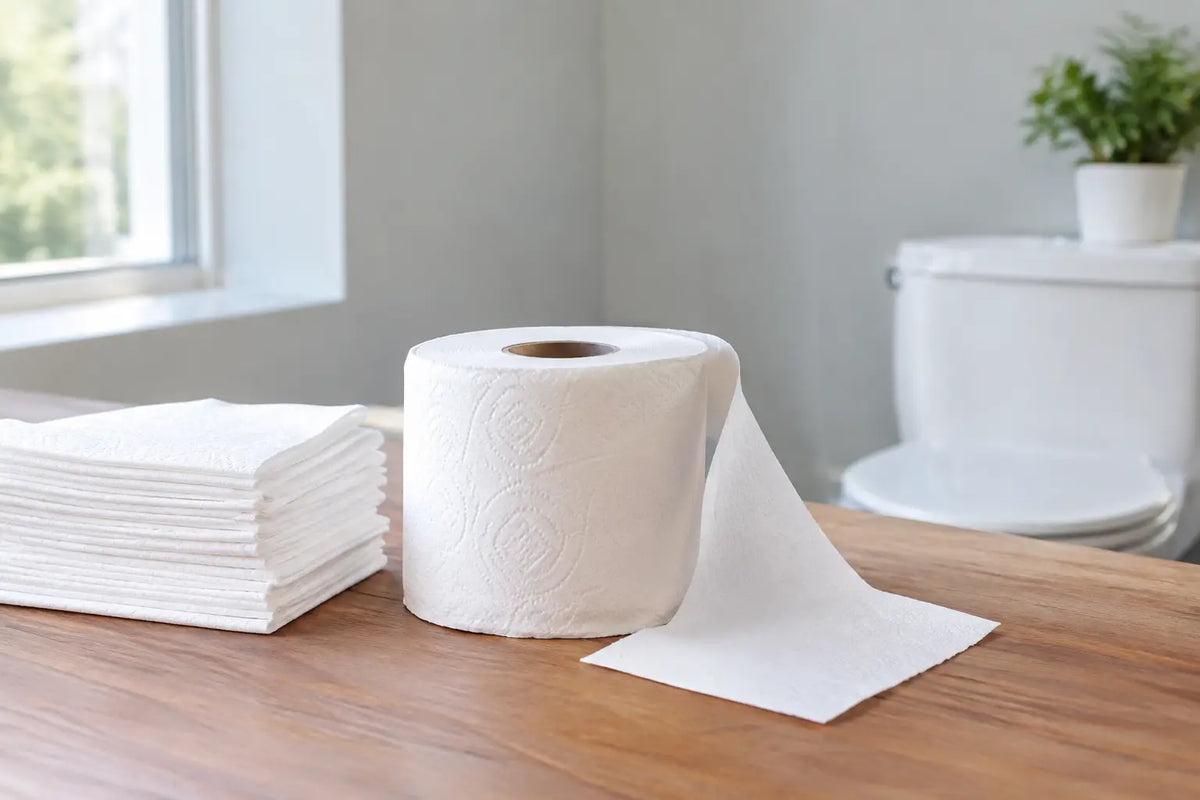
In practical terms, eco paper supplies are everyday paper products made with lower-impact materials, responsible sourcing or reduced manufacturing impact. That can include recycled toilet paper, FSC-certified virgin fibre, bamboo tissues, recycled hand towels and other washroom essentials designed to reduce pressure on forests and resources.
The detail matters. Recycled paper can help reduce waste and lower the demand for new fibre, but softness and appearance can vary depending on the grade. FSC-certified paper supports responsibly managed forestry, which appeals to buyers who want a balance between product consistency and environmental standards. Bamboo has gained attention because it grows quickly and can be a strong alternative fibre source, though product quality still depends on how it is processed and manufactured.
For most buyers, there is no single perfect category. The right product depends on where it will be used, how often it is replaced, and what matters most to the people using it.
Why eco paper supplies are now a practical buying choice
A few years ago, many buyers treated sustainable paper as a niche option. That has changed. Homes want simpler ways to shop responsibly without paying a premium for every item. Businesses are under more pressure to show sensible environmental choices, especially in hospitality, offices, schools and shared facilities. At the same time, people still expect comfort, hygiene and value.
That shift has made eco paper supplies less of a statement purchase and more of a sensible operational decision. If you are ordering cartons regularly, the goal is consistency. You want stock that turns up when needed, works with your dispensers, suits your budget and reflects your standards.
There is also a reputational factor. Customers, staff and guests notice washroom quality. Rough tissue, poor absorbency or empty dispensers send the wrong message. Choosing better paper products - including environmentally certified or recycled options - can support your values without creating extra friction.
The trade-off between softness, strength and sustainability
This is where honest product selection matters most. Buyers sometimes assume that the most sustainable paper will always feel rougher, break down faster or look lower grade. Sometimes that is true. Often it is not.
Recycled toilet paper, for example, can vary widely. Some ranges are surprisingly soft and suitable for homes, offices and premium settings. Others are more basic and better suited to high-volume amenities where cost control matters more than presentation. The same goes for hand towels. A recycled towel may offer excellent absorbency for commercial bathrooms, while a cheaper alternative might use more sheets per dry, which can wipe out the savings.
Bamboo products can offer a premium feel, but price per carton may sit higher than standard recycled options. FSC-certified virgin fibre paper often delivers a cleaner look and softer finish, which can matter in hospitality, accommodation and executive office settings. If user experience is central, that extra spend may be justified. If you are servicing a warehouse, school or public facility, durability and cost-per-use may carry more weight.
The better question is not which material is best in theory. It is which product performs best for your setting.
How to choose eco paper supplies for your space
If you are buying for home, the process is fairly simple. Focus on toilet paper, facial tissues and hand towels that match your comfort expectations and storage space. Bulk buying usually offers better value, especially for families, and it reduces the number of repeat orders you need to manage.
For offices and commercial sites, dispenser compatibility is the first checkpoint. Even high-quality paper becomes a hassle if it jams, runs out too quickly or does not fit the unit correctly. After that, think about traffic volume. A low-use office bathroom can support a softer, more premium product. A high-traffic venue may need larger rolls, interleaved hand towels or cartons designed for frequent restocking.
Hospitality operators often need to balance guest perception with back-of-house efficiency. In guest-facing bathrooms, product finish matters. In staff amenities or service areas, practical recycled options may be the better fit. Property managers and cleaners usually benefit from keeping product ranges streamlined, so reordering stays simple and storage remains manageable.
A good buying decision usually comes down to four checks: comfort, absorbency, compatibility and carton value. Sustainability should be part of that decision, but not separate from it.
Certifications and claims worth paying attention to
Not every green claim tells you much. Some packaging leans heavily on vague language without offering useful proof. For buyers who want confidence, recognised certifications are a better guide than marketing alone.
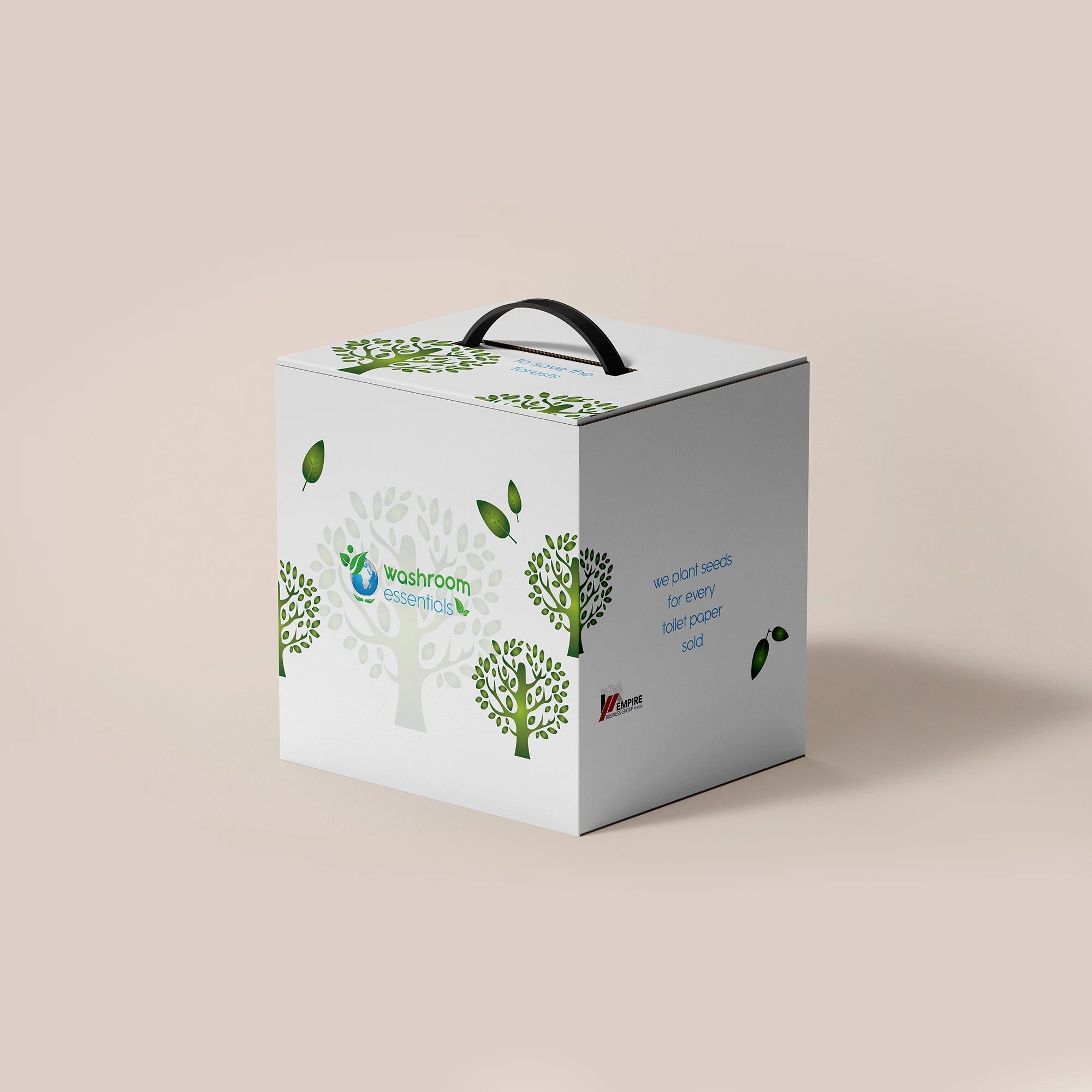
FSC certification is one of the clearest signals for responsibly sourced fibre. Recycled content claims are also useful, especially when they are specific rather than broad. If a supplier talks about carbon-conscious operations, tree planting or community giving, that can add value, but it should sit alongside product quality and service reliability rather than replace them.
This is especially relevant for businesses. Procurement teams and facilities managers often need products that support internal sustainability goals, but they still need to justify spend. Clear product information makes that easier. It helps buyers show they are not just choosing a greener option, but a workable one.
Buying in bulk without overbuying
Carton purchasing makes sense for paper products because these are repeat-use essentials. The savings are usually better, the ordering process is quicker and you are less likely to be caught short. Still, bulk only works when it matches your storage and usage patterns.
A household may be fine with a few cartons spaced out over several months. A busy café or office may need a recurring supply plan based on weekly consumption. Commercial buyers should look at how quickly products move through each washroom, how much stock can be stored on site, and whether seasonal peaks affect usage.
Overbuying ties up space and cash. Underbuying creates urgent top-up orders that waste time and often cost more. The sweet spot is a supply rhythm that keeps you covered without turning your stockroom into a paper warehouse.
For that reason, dependable delivery matters as much as product selection. A supplier that keeps core lines available and gets them to your door efficiently can save more hassle than a slightly cheaper unit price from a less reliable source.
Where value really comes from
The cheapest product is not always the lowest-cost option. Thin toilet paper is used faster. Hand towels with weak absorbency drive higher consumption. Tissue that feels poor can affect how customers or staff view your business. Small quality gaps become expensive when multiplied across daily use.
Value comes from the full picture - purchase price, sheet performance, refill frequency, user satisfaction and supply reliability. That is why many Australian buyers now look for eco paper supplies that can meet ordinary operational demands first, then deliver environmental benefits as part of the package.
That approach is especially sensible for organisations trying to buy better without making procurement more complicated. Products should be easy to compare, easy to reorder and good enough that nobody complains about them. If they also support responsible sourcing, lower-impact materials and positive community outcomes, that is a strong result.
At Washroom Essentials, that balance is the point. Everyday paper products should feel dependable, represent good buying and contribute to something better than business as usual.
A smarter standard for everyday paper
Eco-friendly paper does not need to be a compromise purchase. The best options now give households and businesses a practical way to keep bathrooms and washrooms stocked while making more responsible choices around fibre, sourcing and supply.
If you are reviewing your current products, start with the basics. Look at what gets used fastest, where complaints happen, and whether your current cartons are delivering real value. Small upgrades in paper quality and sourcing can make a noticeable difference over time, especially when the products are used every day. Choose the stock that works hard, arrives reliably and reflects the standards you want attached to your space.