
Why Use Bamboo Tissues Every Day?
A tissue is one of those products people only notice when it feels rough, tears too easily, or runs out at the wrong time. That is usually when the question comes up - why use bamboo tissues instead of the standard options you have always bought? For households, offices and hospitality spaces, the answer comes down to a practical mix of comfort, supply reliability and a lower-impact material choice.
Why use bamboo tissues in the first place?
Bamboo tissues are made from a fast-growing plant fibre rather than relying only on virgin tree pulp. That matters for buyers who want everyday washroom essentials to do their job well while making a more considered purchasing decision.
The appeal is not only environmental. Good bamboo tissues are soft enough for daily use, strong enough to avoid frustrating waste, and suitable for the kind of repeat purchasing that keeps homes and commercial spaces stocked without overthinking it. When you are ordering cartons for a workplace, accommodation venue or busy household, that balance matters more than marketing claims.
A more renewable raw material
One of the strongest reasons to choose bamboo is the source material itself. Bamboo grows quickly and regenerates far faster than traditional timber-based paper inputs. It can be harvested on a shorter cycle, which makes it an attractive option for products that people use every single day and replace constantly.
For environmentally conscious buyers, that faster regrowth is a genuine point of difference. Tissues are a disposable essential. You are not buying them once a year. You are buying them over and over, often in bulk. Choosing a product made from a more renewable fibre can reduce some of the pressure associated with high-volume paper consumption.
That said, not every bamboo tissue is automatically the best environmental option. Processing methods, packaging, transport and product quality all affect the overall footprint. It is worth looking for suppliers that pair bamboo products with broader environmental commitments rather than treating bamboo as a standalone badge.
Softness has improved a lot
Some buyers still assume eco-focused paper products feel rough or thin. That may have been true of older alternatives, but quality bamboo tissues have come a long way. The better products are soft, comfortable on skin and suitable for everyday use at home, on reception desks, in meeting rooms or in guest spaces.
This is especially important in winter, during allergy season, or anywhere tissues are used frequently. A tissue that is technically sustainable but unpleasant to use will not last long in a family home or workplace. People will simply reach for something else. Bamboo has become a more practical option because it no longer asks buyers to trade comfort for values.
There are still quality differences between brands and ply types, of course. A premium facial tissue designed for regular personal use will feel different from a budget product made to hit a price point. The key is to assess bamboo tissues the same way you would any other consumable - by softness, strength, consistency and value over time.
Strength matters more than people think
A tissue does not need to be heavy-duty, but it does need to hold together when used. Weak tissues often mean double-pulling from the box or using more sheets than necessary. That creates waste and makes a cheaper carton less economical in practice.
Bamboo fibre can produce tissues with good tensile strength, which helps them perform well in daily use. For commercial buyers, that can make a difference across larger volumes. Offices, clinics, reception areas and hospitality settings all benefit from products that feel presentable and work properly without constant complaints or overuse.
In other words, value is not just about the lowest carton price. It is also about how efficiently the product performs once it arrives.
Why use bamboo tissues for homes and businesses?
The case for bamboo tissues becomes even clearer when you look at regular purchasing habits. Most homes and businesses do not want to rethink tissue buying every week. They want dependable stock, consistent quality and a product they can feel good about putting on the shopping list again.
For households, bamboo tissues offer an easy swap. You still get the convenience of a familiar essential, but with a material choice that aligns better with lower-impact living. For businesses, the decision can support procurement goals around sustainability without complicating day-to-day operations.
That is particularly relevant for organisations trying to improve environmental credentials in practical ways. Changing every system at once is difficult. Switching recurring consumables to better materials is often a more realistic place to start.
A better fit for values-led purchasing
Many Australian buyers are looking beyond price alone. They still want value, but they also want the products they order regularly to reflect how they run their home or business. Bamboo tissues fit that shift because they offer a clear, understandable benefit without changing the way people use the product.
This is why they suit offices, schools, aged care settings, accommodation providers and facilities teams. The purchase remains simple. The positive difference sits in the sourcing.
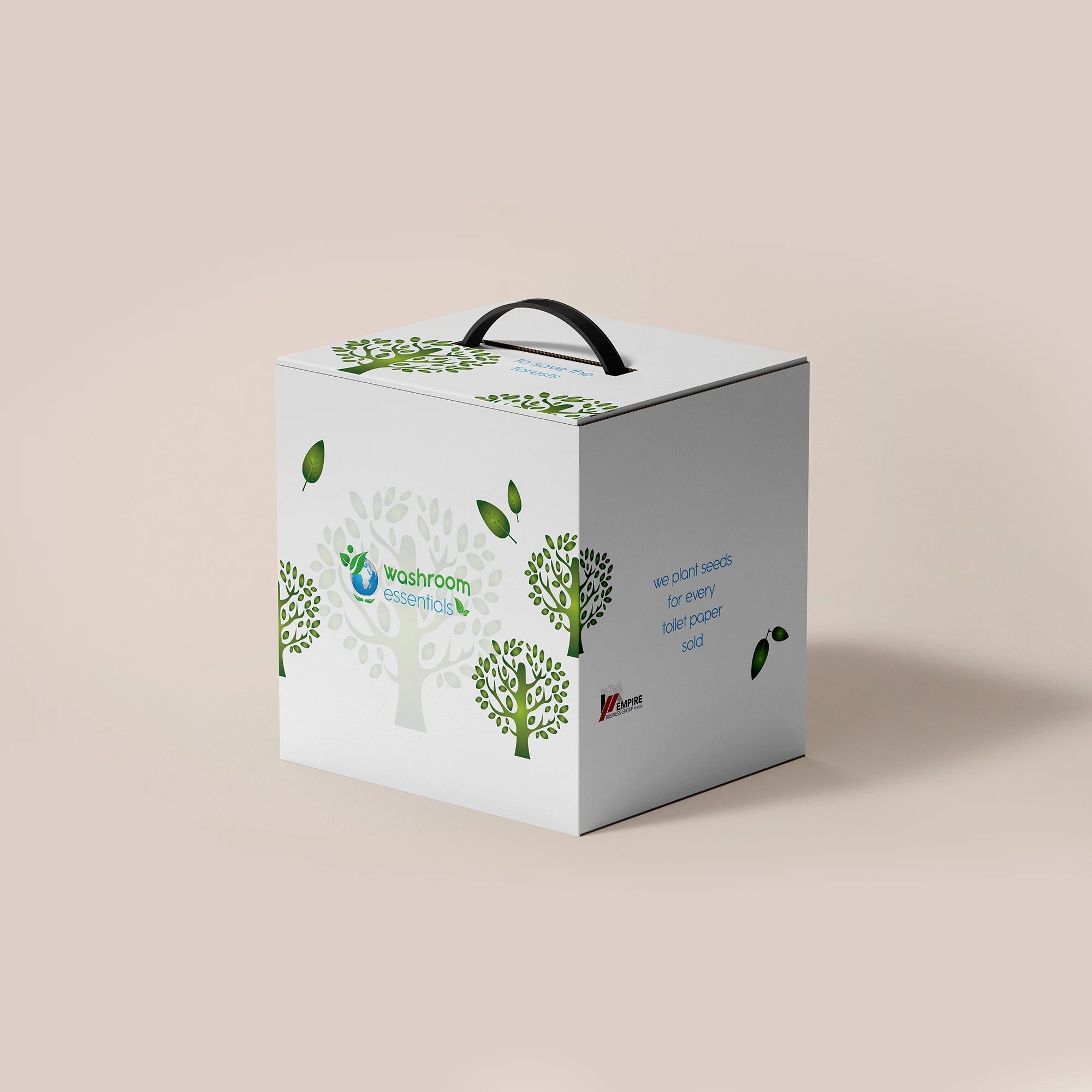
When suppliers also support actions such as tree planting, community giving or lower-impact operations, the product becomes part of a broader purchasing decision. That can be especially meaningful for organisations that need to report on supplier choices or demonstrate responsible procurement in a practical, visible way.
Cost is part of the conversation
Price still matters. For bulk buyers especially, the question is not whether bamboo tissues are good in theory but whether they make commercial sense. In many cases, they do, particularly when bought in cartons from a supplier focused on recurring essentials rather than novelty eco products.
Bamboo tissues can sometimes cost a little more than entry-level conventional options. Whether that difference matters depends on your priorities. If the product is soft, reliable and fits your budget, the added value may justify the spend. If you are purchasing for a high-traffic space where every cent is tightly controlled, you may need to compare ply, sheet count and carton quantity closely.
The smarter comparison is not bamboo versus the cheapest tissue on the market. It is bamboo versus a tissue of similar quality. That tends to be where the value story becomes more persuasive.
Packaging and supply still count
A sustainable tissue loses some of its appeal if it arrives poorly packed, is frequently out of stock, or creates extra admin every time you reorder. For commercial and household buyers alike, convenience remains central.
That is why supplier reliability should sit alongside material choice. Regular essentials work best when they are easy to order in the right quantities, delivered promptly and kept consistent from one carton to the next. Buyers want less procurement friction, not more.
This is also where a specialist supplier has an advantage over a random one-off retailer. Businesses and busy households need stock confidence. They need to know the tissues they order this month will still be available next month.
When bamboo tissues may not be the perfect fit
There are trade-offs, and it is worth being honest about them. If your only buying criterion is the absolute lowest upfront cost, bamboo may not always be your first choice. If you are comparing premium bamboo tissues with very basic conventional products, bamboo can look more expensive on paper.
There is also variability in quality across the market. Some bamboo products are excellent. Others lean too hard on the environmental angle while underdelivering on softness or presentation. For front-of-house settings, executive offices or guest accommodation, product finish still matters.
This is why the best buying decision is usually based on a combination of factors: feel, performance, carton value, sourcing and supplier dependability. Bamboo works best when all of those pieces line up.
The bigger picture behind a small product
Tissues are a small line item, but they are also a repeat-use product with a constant replacement cycle. Small switches add up when they happen across households, teams, hotel rooms, bathrooms and reception areas every day.
Choosing bamboo tissues will not solve every environmental challenge attached to paper consumption. But it is a practical step that does not ask much from the user. You still get the same convenience. You still meet hygiene needs. You simply do it with a material that offers a more renewable starting point.
For buyers who want quality, everyday value and a more responsible option, that is a sensible reason to make the change. At Washroom Essentials, that is exactly where bamboo tissues earn their place - as a better everyday choice that supports comfort, convenience and a more considered way to stock the spaces people rely on.