
FSC Certified Toilet Paper: What to Look For
Buying toilet paper should be simple, but once sustainability claims enter the picture, the choice can get murky fast. If you're comparing FSC certified toilet paper, the label can be genuinely useful - but only if you know what it tells you, what it does not, and how it fits alongside softness, strength, pricing and supply reliability.
For Australian households and businesses, that matters. Nobody wants to run out of essentials, overpay for poor quality, or choose a product that sounds eco-friendly but does not stand up in everyday use. The smart buy is the one that balances responsible sourcing with dependable performance.
What FSC certified toilet paper actually means
FSC stands for Forest Stewardship Council. When toilet paper carries FSC certification, it means the fibre used in the product comes from responsibly managed sources that meet recognised environmental and social standards. In practical terms, that is about traceability through the supply chain rather than a vague green promise on the pack.
That distinction matters because paper products can be marketed as natural, earth-friendly or sustainable without giving buyers much solid information. FSC certification gives you a clearer benchmark. It signals that forest materials have been sourced with attention to biodiversity, workers' rights, and long-term forest management.
For many buyers, especially offices, hospitality venues and facilities teams, that makes procurement easier. You are not relying purely on branding language. You have a recognised certification that supports your purchasing decision.
Why FSC certified toilet paper appeals to Australian buyers
Most repeat buyers are not shopping for toilet paper as a lifestyle statement. They are trying to keep bathrooms stocked, maintain hygiene standards, control costs and make better purchasing decisions where they can. FSC certified toilet paper speaks to that mix of practical and ethical priorities.
At home, it can be a straightforward way to reduce the environmental impact of a product you buy regularly. In workplaces and commercial settings, it can support internal sustainability goals without creating extra procurement work. It is a simple switch in a category that turns over quickly.
There is also a trust factor. When you are buying cartons rather than a few rolls at a supermarket, you want confidence that the product choice holds up over time. Certifications help cut through guesswork, particularly for businesses ordering in bulk.
FSC certification is useful, but it is not the whole story
This is where a bit of nuance helps. FSC certification tells you something important about fibre sourcing, but it does not automatically mean every FSC product is identical in quality, feel or environmental footprint.
For example, an FSC-certified product may be made from virgin fibre sourced through responsible forestry, while another option may use recycled fibre. Both can be valid choices. One may feel softer and more premium. The other may appeal more strongly to buyers focused on recycled content. The right choice depends on your priorities.
The same goes for packaging, transport, roll length and ply count. A product can have strong sustainability credentials in one area and be less impressive in another. That is why experienced buyers look at the full picture rather than one badge alone.
How to assess FSC certified toilet paper before you buy
The first question is fibre type. Some buyers prefer recycled toilet paper because it reduces demand for new raw material. Others choose FSC-certified virgin fibre because it often delivers a softer, more hotel-quality finish. Neither option is automatically better in every setting.
In a family home, softness and comfort may be the deciding factor. In an office or public washroom, durability, cost per roll and reliable supply often matter more. In hospitality, presentation and guest experience can push premium quality higher up the list.
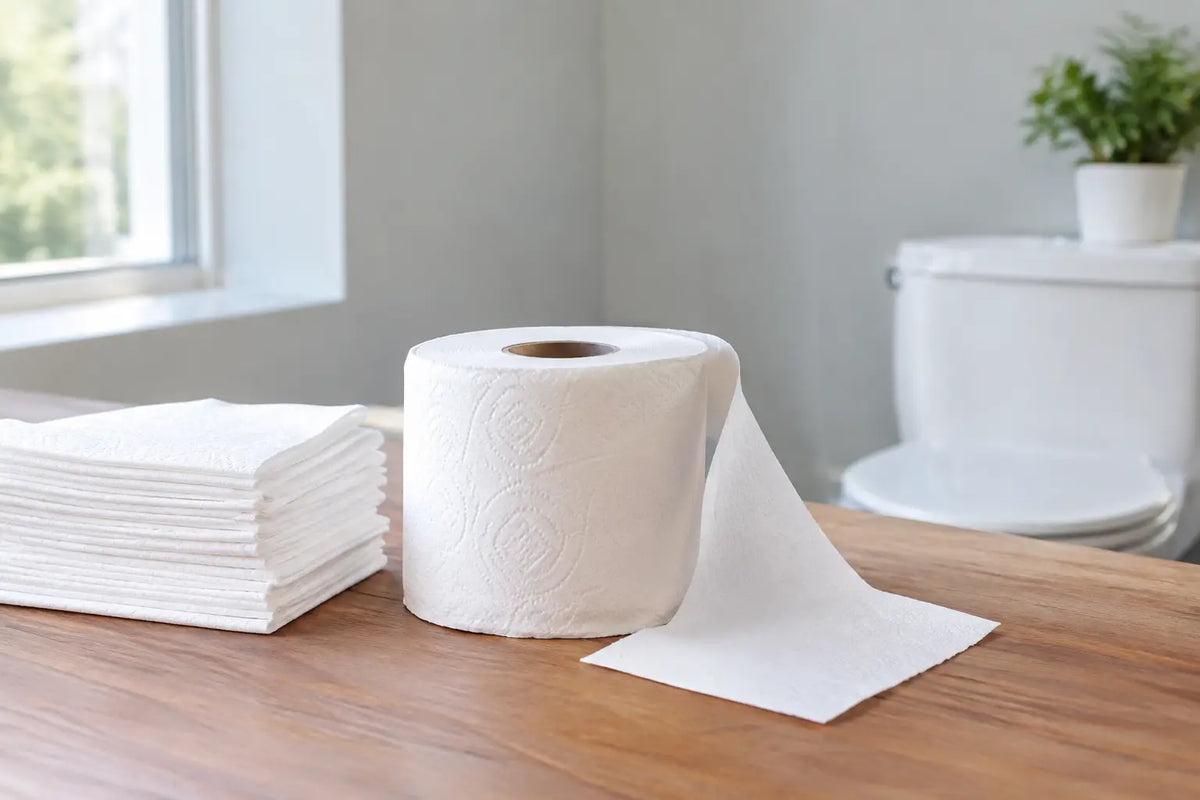
Next, look at the actual paper specs. Ply count can be helpful, but it is not the only quality marker. Two-ply toilet paper can vary significantly depending on embossing, sheet size, roll length and fibre blend. A cheaper carton is not always better value if the rolls run out quickly or the paper feels thin.
Then consider pack format. Bulk cartons suit businesses and households that want fewer repeat orders and better value over time. Smaller quantities may make sense if storage is tight. The best purchase is not just about unit price - it is about what works for your space, usage rate and restocking routine.
Where FSC certified toilet paper makes the most sense
For offices, FSC certified toilet paper is often an easy win. Staff expect washrooms to be clean, comfortable and consistently stocked, and many businesses now want purchasing choices that reflect broader environmental commitments. A certified product helps tick both boxes without complicating operations.
For cafés, restaurants and accommodation providers, it can also support brand perception. Guests notice the details, especially in bathrooms. Choosing quality paper products with credible environmental certification can reinforce a business's standards in a subtle but meaningful way.
For households, the benefit is convenience as much as conscience. Ordering a reliable carton online means one less heavy essential to haul from the shops, and it can align a regular purchase with more responsible sourcing.
What to watch out for when comparing options
The biggest trap is assuming every sustainable claim means the same thing. Terms like eco, green and natural can sound reassuring, but they are not all backed by clear standards. FSC certification gives you more substance, which is why it is worth checking product details rather than relying on front-of-pack language alone.
Another common issue is focusing only on price per carton. A lower upfront price can be less economical if the sheet count is low, the rolls are undersized or the paper quality leads to higher usage. Buyers managing commercial washrooms already know this. What looks cheaper on paper does not always stay cheaper in practice.
Stock reliability also matters more than many people realise. If you find a product that suits your budget and standards, consistency becomes part of the value. Regular buyers need confidence that supply will remain dependable, especially for workplaces, venues and managed facilities.
Is FSC-certified better than recycled or bamboo?
Sometimes yes, sometimes no - it depends on what you are trying to optimise.
If your main concern is certified responsible forestry, FSC-certified toilet paper is a strong choice. If your priority is reducing use of virgin materials, recycled toilet paper may suit you better. If you are looking at alternative fibres, bamboo can be appealing, though quality and feel can vary between products.
For many buyers, this is not an either-or decision. Some of the best ranges combine environmental credibility with performance in different ways. The practical question is less about which category sounds best and more about which product delivers the right mix of comfort, value and responsible sourcing for your setting.
Why quality still matters in an essential product
Toilet paper is one of those supplies people only notice when it is poor. In homes, that means frustration. In offices and hospitality settings, it reflects directly on the standard of the space. That is why responsible sourcing should sit alongside quality, not replace it.
A well-chosen product should feel good in use, last properly on the roll and arrive reliably when you need it. Buyers should not have to accept rough texture or weak performance just because a product carries an environmental claim.
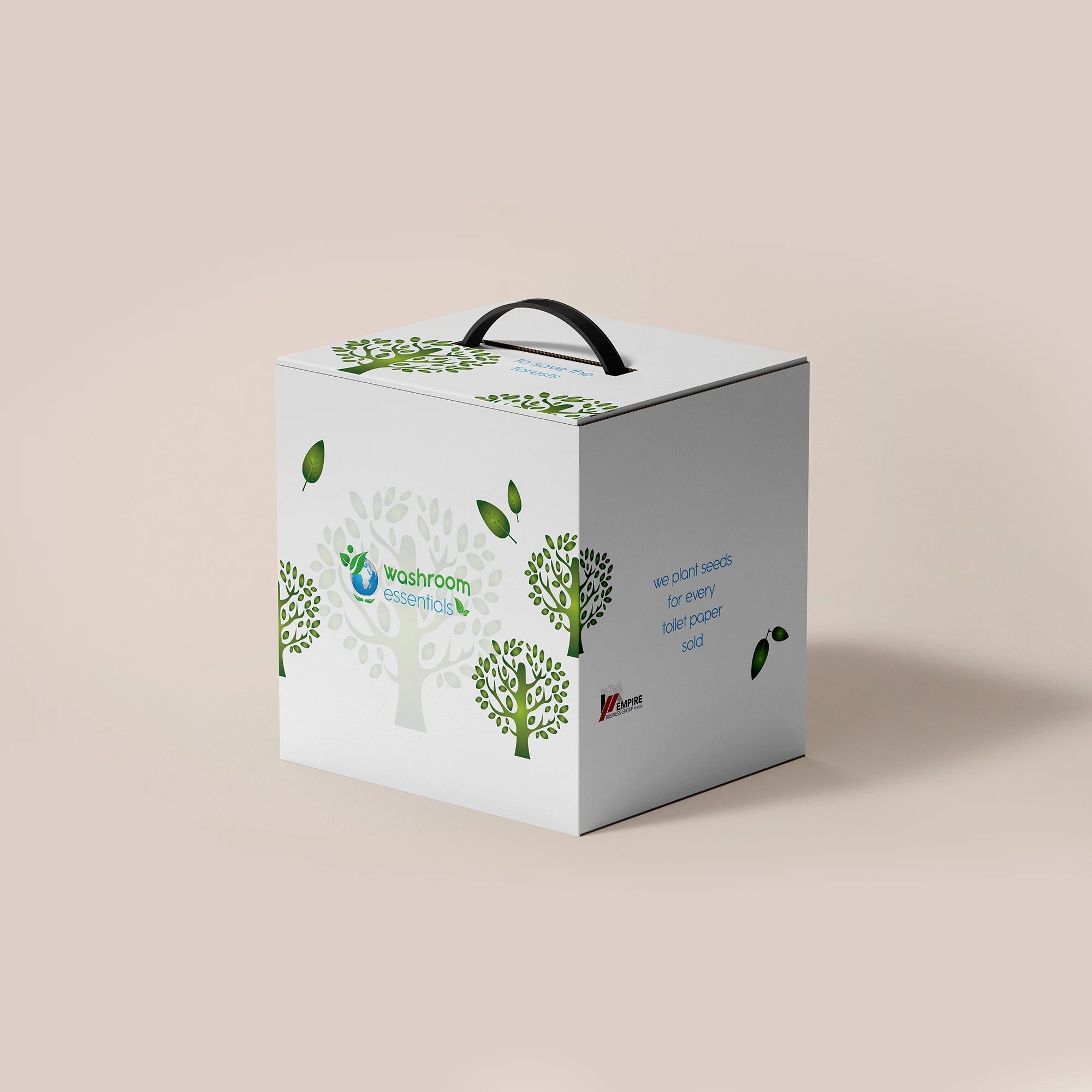
That balance is exactly where a specialist supplier can make a difference. At Washroom Essentials, the focus is on dependable paper products that support practical day-to-day needs while aligning with stronger sustainability outcomes, from certified materials to a broader commitment to positive impact.
Making the right choice for your home or business
The best buying decision usually comes down to three things. First, choose a product with credible certification if responsible sourcing matters to you. Second, compare the everyday performance details - softness, strength, roll length and pack size. Third, buy from a supplier that can deliver consistently and make reordering easy.
That approach works whether you are stocking one bathroom at home or managing amenities across an office, venue or commercial site. It keeps the decision grounded in what matters: quality, convenience, value and confidence in what you are buying.
FSC certified toilet paper is not about paying extra for a nicer label. It is about choosing an everyday essential with clearer sourcing standards and making sure that choice still delivers where it counts. When the product performs well and the supply is reliable, sustainability becomes part of a smarter routine rather than an added hassle.
A good washroom product should do its job quietly, consistently and with less compromise - and that is usually the best kind of purchase.