

Soft Facial Tissue Product Review for Better Buying
A facial tissue is often noticed only when it fails: it feels rough on a sore nose, tears after one use, sheds lint across a desk or runs out halfway through a busy shift. This soft facial tissue product review looks at what separates a genuinely dependable tissue from a box that simply looks good on the shelf.
For households, offices, accommodation venues and commercial washrooms, the right choice is rarely about softness alone. Absorbency, ply, sheet size, dispensing, carton value and environmental credentials all affect whether a tissue range earns its place in your regular order.
What makes a facial tissue feel genuinely soft?
Softness comes from the quality of the pulp, the way the fibres are processed and the texture pressed into each sheet. Better tissues feel gentle against the skin without becoming flimsy when damp. That balance matters most during cold and allergy season, when people may reach for tissues repeatedly throughout the day.
A smooth, well-finished sheet is usually more comfortable for facial use than a rougher recycled paper grade designed for general cleaning. This does not mean recycled tissues cannot be soft. It means buyers should look beyond broad labels and consider the intended use. A tissue for a reception desk, guest room or family lounge needs a more refined feel than a utility wipe kept in a storeroom.
Fragrance is another consideration. Scented tissues can feel like an added touch, but unscented options are generally the safer choice for workplaces, shared facilities and people with sensitive skin. In high-use settings, simple and gentle tends to be the most practical standard.
Soft facial tissue product review: the key performance tests
When comparing facial tissues, test the product as it will actually be used. A very soft sheet may be appealing at first touch, yet it needs enough strength to hold together during normal use. One tissue should handle a small spill, a sneeze or a quick clean-up without immediately breaking apart.
Ply and strength
Two-ply facial tissues are a reliable everyday choice because the layered construction improves absorbency and reduces the chance of tearing. They are often suitable for homes, meeting rooms, hotel rooms and staff amenities. A higher-ply tissue may feel more substantial, but it can add cost and bulk without delivering a meaningful benefit for every setting.
Single-ply products may suit light, occasional use where storage space and price are the main priorities. The trade-off is that users may take several sheets at once. That can reduce the apparent savings, create more rubbish and lead to faster stock depletion.
The best value is not always the lowest price per box. Consider how many sheets are used per task. A stronger, softer tissue that people use efficiently can be the better purchase over a full carton cycle.
Sheet size and absorbency
Sheet dimensions affect how useful each tissue feels. Small sheets are fine for a quick touch-up, but larger sheets offer more coverage for families, guest amenities and front-of-house spaces. A practical facial tissue should absorb moisture quickly rather than pushing it across the skin or surface.
Embossing can help hold moisture and give the sheet a softer appearance. It is a useful feature, though it should not distract from the basics: the tissue should separate cleanly from the box, stay intact when used and leave minimal lint behind.
Dispensing and presentation
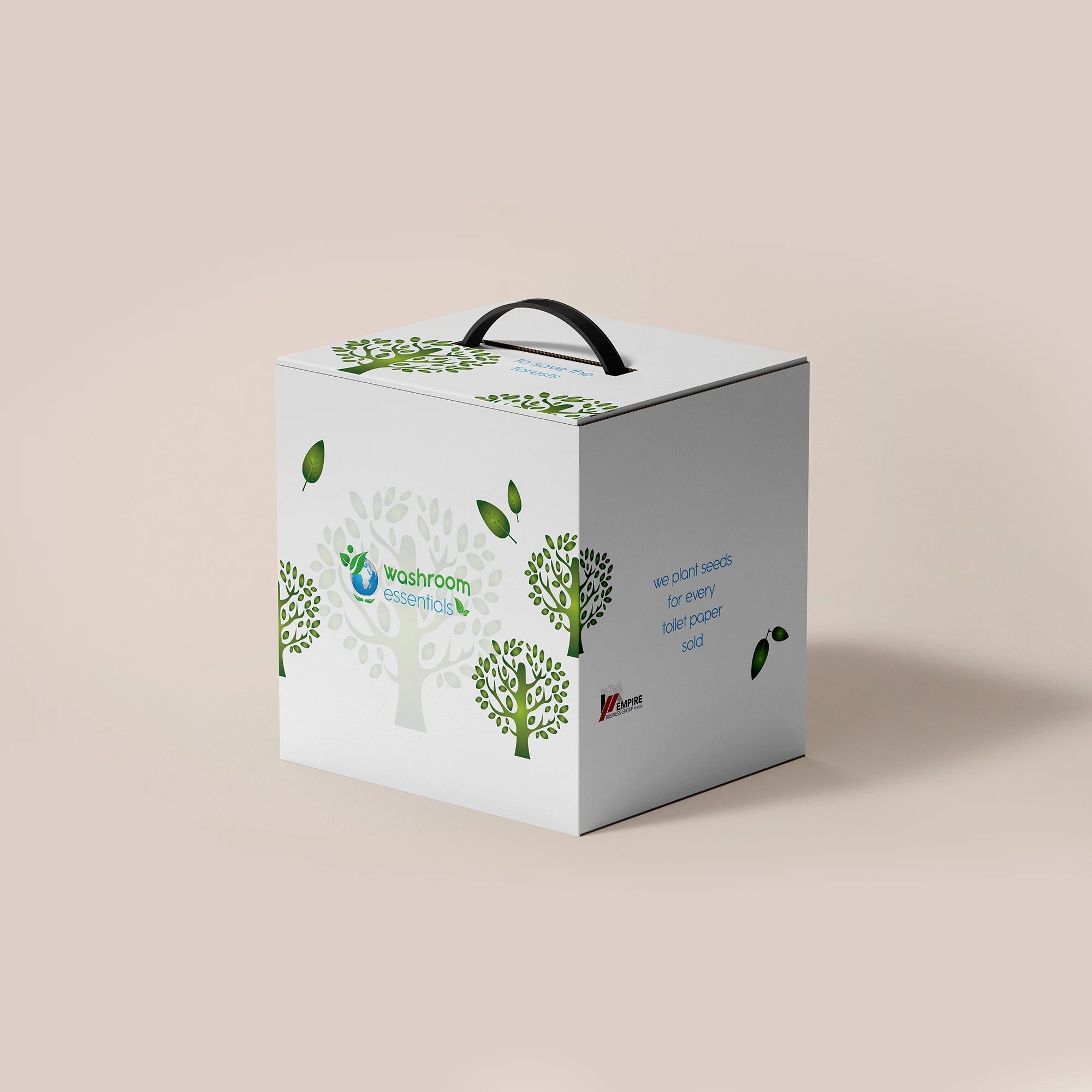
A cube box can work well on reception counters, bedside tables and compact desks, while a rectangular box is often easier to store in drawers, cupboards and housekeeping trolleys. For hospitality businesses, presentation matters. A clean box design and a tidy first-sheet pull contribute to a better guest experience without adding unnecessary fuss.
In offices and shared spaces, consider where boxes will sit and how quickly they will be used. Tissues placed near kitchenettes, meeting rooms and entry points are more likely to be used for both personal hygiene and minor spills. A well-designed box that does not collapse or dispense several sheets at once helps control waste.
Choosing tissues for different Australian settings
There is no single facial tissue that suits every site. The right product depends on usage volume, the people using it and the standard you want to provide.
For home use, softness and a comfortable two-ply feel are often the priority. Bulk buying can reduce the risk of running out during winter, particularly for larger households. Look for cartons that are easy to store in a linen cupboard, pantry or garage, rather than purchasing individual boxes whenever supplies run low.
For offices, consistent quality and simple replenishment matter more than premium packaging. Staff and visitors expect tissues to be available in the places they need them. Ordering by carton makes it easier to keep a small back-up supply, and a dependable product avoids complaints about harsh or weak sheets.
Hotels, short-stay properties and serviced apartments benefit from a tissue that feels considered and clean. Guests notice small details. A soft, neatly presented box beside the bed or vanity can reinforce a hotel-quality standard, while a sturdy sheet supports practical use throughout a stay.
For cleaners, facilities managers and property teams, carton efficiency is central. Product dimensions, box count, storage footprint and reliable availability need to fit the wider washroom supply plan. It is useful to standardise on a tissue that performs well across offices, common areas and amenities, unless guest-facing spaces require a more premium option.
Sustainability without compromising comfort
Responsible purchasing should not mean accepting a poor-quality tissue. Options made with responsibly sourced virgin fibre, recycled content or alternative fibres such as bamboo can support environmental goals, but the product still needs to meet everyday expectations for softness and strength.
FSC-certified materials provide reassurance that fibre is sourced through responsible forestry practices. Recycled tissues can be a sound choice for many workplace and commercial applications, particularly where high volume and practical value are key. Bamboo-based ranges may appeal to buyers seeking a fast-growing fibre alternative and a softer feel.
Each material has trade-offs. Recycled fibre may have a slightly different texture or colour, while premium virgin fibre can offer exceptional softness but requires careful sourcing. The most useful approach is to match the product to the setting and choose clear environmental credentials rather than relying on vague green claims.
Packaging also deserves attention. Carton ordering can reduce repeated shopping trips and excess outer packaging compared with frequent small purchases. It also helps businesses manage stock more predictably. At Washroom Essentials, this practical approach sits alongside a commitment to environmentally responsible products, tree planting and support for local communities.
How to compare carton value properly
A carton price alone does not tell the full story. Compare the number of boxes, sheets per box, ply, sheet size and expected usage rate. A lower-priced carton with fewer sheets or weaker paper can cost more over time if it needs replacing sooner.
For regular commercial orders, it helps to track how long one carton lasts in each location. After one or two ordering cycles, you will have a clearer picture of true consumption. This is especially valuable for offices with changing headcounts, busy hospitality venues and sites where seasonal demand rises sharply.
Storage should be part of the calculation. Buying in bulk is most efficient when cartons can be kept dry, clean and accessible. Avoid storing tissue boxes directly on damp floors or near areas where they may be exposed to splashes, dust or strong odours. Paper products readily absorb moisture and can lose their quality before they are needed.
Common buying mistakes to avoid
The most common mistake is treating facial tissues as interchangeable with toilet paper, paper towel or general-purpose wipes. Each product is designed for a different job. Facial tissue needs to be gentle enough for skin contact, while hand towel prioritises quick drying and toilet paper is designed for use and disposal in the bathroom.
Another mistake is buying solely on price. If the tissue is scratchy, overly thin or prone to tearing, users will compensate by taking more sheets. The result is not only frustration but higher consumption.
Finally, do not overlook supply continuity. A favourite tissue is only useful if it can be ordered reliably when stock is due. Selecting a suitable carton format and maintaining a modest reserve helps households and businesses avoid last-minute substitutions.
A good facial tissue is a small everyday essential, but it shapes comfort, cleanliness and the impression your space leaves. Choose one that feels soft, performs when it matters and reflects the standard you want to provide - then keep enough on hand for the people who rely on it.