
Commercial Washroom Supplies Guide
A washroom only gets noticed when something runs out. No toilet paper in a cubicle, wet hands with no towel option, an empty soap dispenser at peak traffic - those small failures quickly become complaints, poor hygiene outcomes and unnecessary pressure on staff. That is exactly why a commercial washroom supplies guide matters. Choosing the right products is less about buying whatever is cheapest and more about keeping your site clean, consistent and easy to manage.
For offices, cafés, hotels, schools, medical settings and shared commercial buildings, washroom supplies are an operating essential. They affect presentation, labour time, storage space, user experience and ongoing spend. Buy well and your washroom runs quietly in the background. Buy badly and you end up with stockouts, waste and products that do not suit the space.
What a commercial washroom supplies guide should help you decide
The best purchasing decisions usually come down to three things - traffic, presentation and efficiency. A small office with ten staff has very different needs from a restaurant, childcare centre or multi-level commercial property. If you start with usage levels, the rest becomes easier.
High-traffic sites generally need larger capacity products and dispensers that reduce refill frequency. Lower-traffic spaces may have more flexibility, especially if appearance matters more than maximum volume. Premium amenities can lift the feel of a client-facing washroom, but there is always a balance between finish and cost per use.
It also helps to think beyond the product itself. Carton size, compatibility with dispensers, delivery reliability and storage requirements all affect the true value of your order. A low unit price is not much use if it creates more handling, more waste or more emergency reordering.
Start with the core paper products
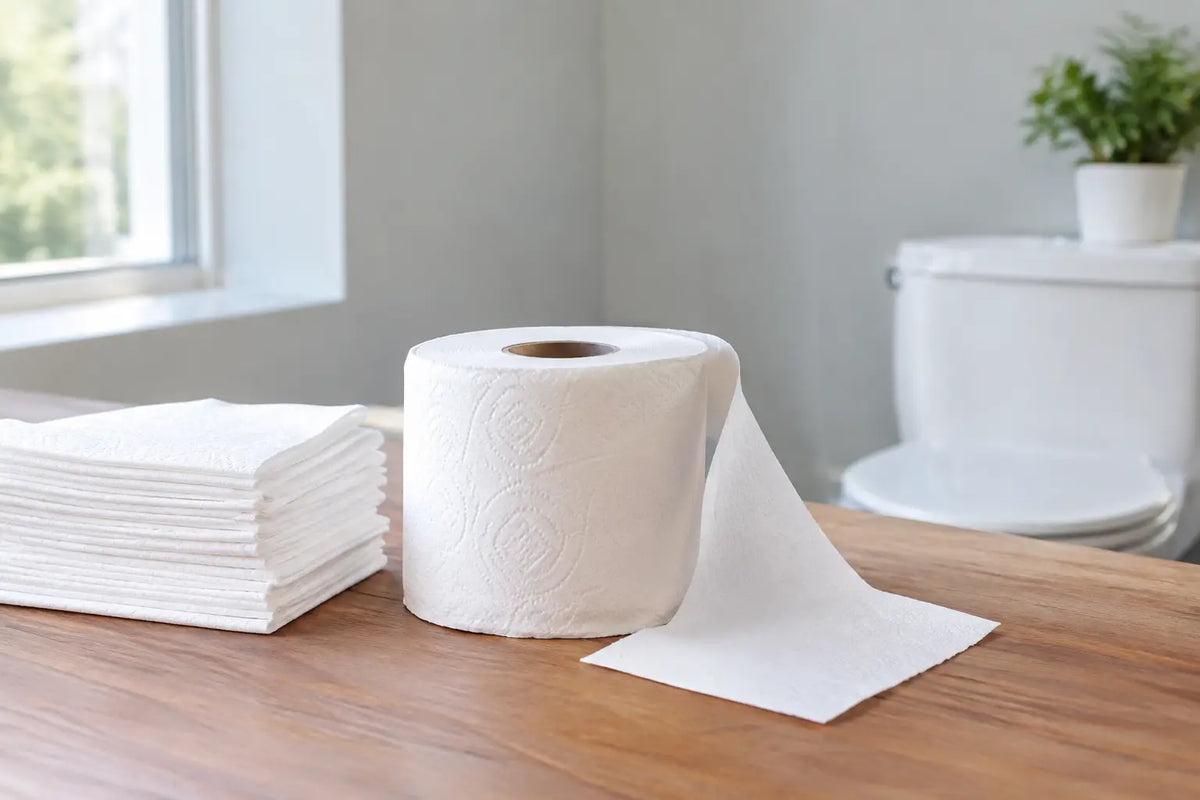
Toilet paper is usually the highest-volume item, so it deserves more attention than a quick reorder. In commercial settings, the right choice depends on user volume, expected comfort level and dispenser setup. Standard rolls may suit low-traffic sites, while jumbo rolls can make more sense where bathrooms are used heavily throughout the day.
Softness matters, but so does durability. If the product tears too easily or users need more sheets per visit, apparent savings disappear quickly. For hospitality venues, premium toilet tissue can support a cleaner, more considered guest experience. In warehouses, schools or back-of-house staff amenities, practicality and roll longevity may take priority.
Hand towels are similar. Interleaved, multifold and roll towel formats each suit different environments. Paper towels are often preferred where fast drying and hygiene control are key, especially in food service, healthcare-adjacent spaces and busy public amenities. The dispenser needs to match the paper format, otherwise refilling becomes awkward and waste increases.
Facial tissues may not be essential in every commercial washroom, but they are a worthwhile addition in executive offices, hotels, healthcare consulting rooms and premium shared spaces. They signal care and improve comfort at a relatively low cost.
Dispensers are part of the system, not an add-on
A common buying mistake is treating consumables and dispensers as separate decisions. In practice, they should work together. The dispenser influences hygiene, product usage, presentation and maintenance time.
High-capacity dispensers reduce the number of refills and help prevent stockouts in busy amenities. Controlled-dispense models can cut paper waste, particularly for hand towels. Lockable dispensers are useful in public or semi-public settings where tampering or overuse is a concern. In premium fit-outs, the finish of the dispenser also matters because it becomes part of the room's overall appearance.
Compatibility is critical. Not every roll or towel style fits every unit, and forcing the wrong product into an existing system usually leads to jams, waste or poor dispensing. If you are reviewing your supply setup, it may be worth changing both the dispenser and the consumable at the same time rather than trying to make an unsuitable format work.
Sustainability is now a purchasing standard
A practical commercial washroom supplies guide cannot ignore sustainability, because many Australian businesses are now expected to show environmental responsibility in everyday procurement. The good news is that sustainable options no longer mean compromising on quality.
Recycled paper products, FSC-certified ranges and bamboo alternatives can all support lower-impact purchasing. The right option depends on your priorities. Recycled paper helps reduce reliance on virgin fibre. FSC-certified products support responsible forestry. Bamboo appeals to buyers looking for fast-renewable fibre sources and a more modern sustainability story.
That said, not every eco product is equal. Buyers should still look at softness, absorbency, ply, carton quantity and dispenser compatibility. A sustainable claim has to be matched by performance. If a product disappoints users or increases consumption, it may not deliver the result you want operationally or environmentally.
For many organisations, the strongest approach is to choose products that combine credible environmental certification with dependable everyday performance. That keeps the washroom functioning well while supporting broader business values.
How to buy for your type of site
Different settings use washroom products in different ways, so a one-size-fits-all approach rarely works.
In offices, consistency is often the main goal. Staff notice when basics run out, and facilities teams want supply that is simple to reorder and easy to store. Medium-capacity toilet tissue and reliable hand towel systems often strike the right balance.
In hospitality, the standard is higher. Guests notice paper quality, dispenser presentation and overall washroom feel. Hotel-quality toilet paper, premium tissues and clean, modern dispensers can make a real difference to perception.
In retail and public-facing venues, volume and resilience matter most. Products need to last through peak periods, and cleaners need fast restocking. Jumbo formats and high-capacity hand towel systems often make more commercial sense here.
For strata, property management and contract cleaning teams, purchasing is usually about predictability. The ideal setup reduces site visits for refills, standardises products across multiple locations and keeps ordering straightforward. This is where carton buying and dependable direct-to-door delivery become especially valuable.
Cost per use matters more than shelf price
The cheapest carton is not always the most economical choice. A better measure is cost per use. That means considering how long the product lasts, how much people use each time and how often staff need to refill dispensers.
A thicker, more absorbent hand towel may cost more upfront but require fewer sheets per dry. A better toilet tissue may reduce overuse compared with a thin product that users double up on. Larger roll formats can lower labour time because they need changing less often.
There is also the hidden cost of running out. Emergency top-up buying usually means paying more, accepting whatever is available or losing time chasing replacement stock. Planned bulk purchasing helps avoid that cycle and gives businesses more control over spend.
Stock control should be simple
Commercial washroom supply works best when it becomes routine. If ordering depends on someone noticing the last carton in the storeroom, you are already too close to a problem. A simple usage pattern is usually enough to keep stock under control.
Track how quickly each site moves through toilet paper, hand towels, tissues and soap refills over a normal month. Then build in a buffer for busy periods, staff absences or delivery delays. Sites with limited storage may need more frequent ordering, while larger premises can save time and reduce friction by buying in bulk.
For many Australian businesses, online ordering makes this much easier. It reduces procurement time, helps standardise repeat purchases and keeps essential products moving without unnecessary admin. Suppliers that combine quality stock, reliable fulfilment and environmentally responsible ranges offer a stronger long-term fit than those competing on price alone.
Choosing a supplier is part of the guide
The right supplier should make the everyday task of washroom management easier. That means dependable stock availability, clear product information, quality you can trust and delivery that arrives when expected. If your business is managing recurring supply across one or several sites, consistency matters.
It also makes sense to buy from a supplier whose values line up with your own. For many organisations, that now includes environmentally certified products, lower-impact packaging where possible and a clear commitment to positive community outcomes. Practical purchasing and responsible purchasing no longer need to be separate decisions.
Washroom Essentials reflects that shift by combining dependable commercial paper products with sustainability-led options for businesses that want both convenience and a better purchasing footprint.
A well-run washroom does not need to be flashy. It just needs to be clean, stocked, easy to maintain and aligned with the standards your business wants to set every day.