
Bamboo Facial Tissues Review: Worth Buying?
A tissue is a small thing until it is the one item missing from a reception desk, hotel room, meeting space or family bathroom. A useful bamboo facial tissues review needs to look beyond the word “bamboo” on the box. The real question is whether the tissues feel good to use, stay intact when needed and make sense for the way your household or workplace buys supplies.
For many Australian buyers, bamboo tissues are a practical way to move towards lower-impact paper consumables without turning a basic hygiene purchase into a compromise. They can be soft, presentable and dependable. But, as with any tissue, quality varies between products, and the best choice depends on ply, sheet size, pack format and how often they will be used.
What bamboo facial tissues are like to use
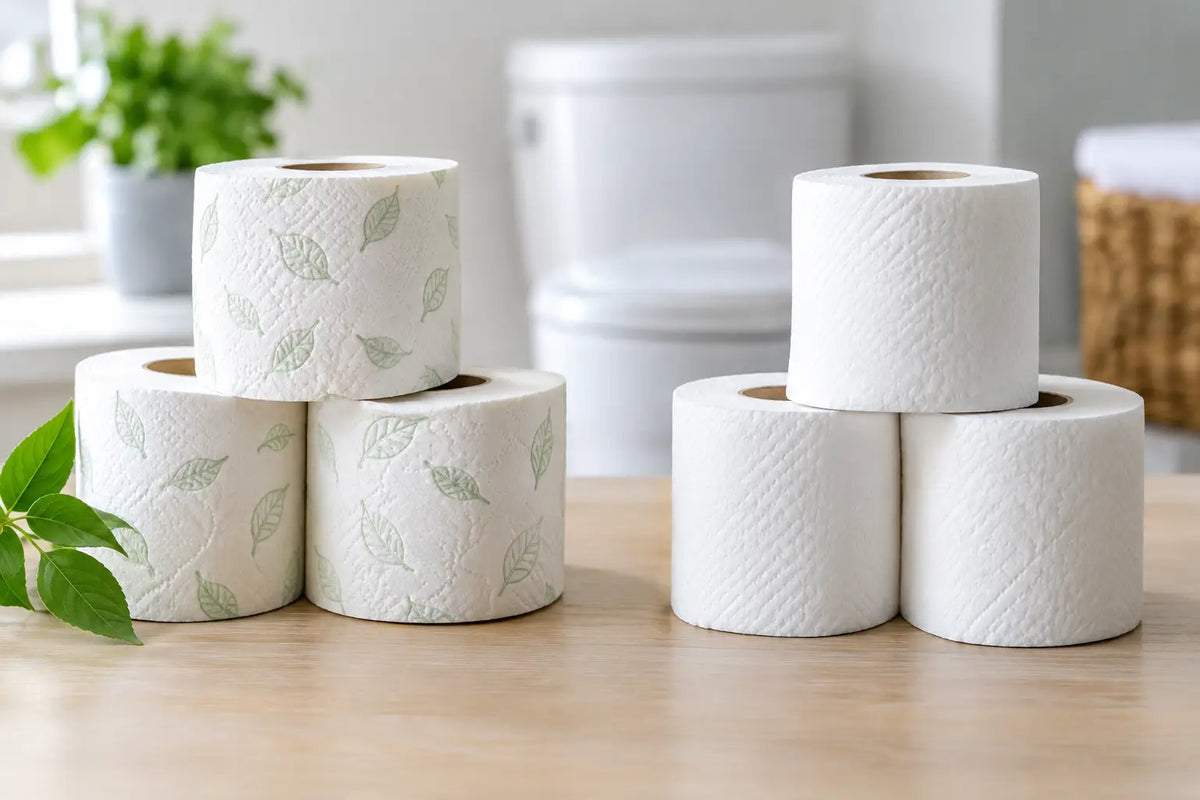
Bamboo facial tissues are made from bamboo fibre, rather than relying entirely on conventional wood pulp. The fibre can produce a smooth, soft tissue that is suitable for everyday use, including runny noses, make-up touch-ups and keeping a bathroom or guest area well stocked.
The first test is softness. A good facial tissue should feel gentle on the skin, particularly when it is used repeatedly during cold and allergy season. Bamboo fibres can deliver a soft finish, although softness is not determined by fibre alone. Ply, embossing and the manufacturing process all make a difference. A premium two-ply tissue will generally feel more substantial than a thin single-ply option, regardless of the fibre source.
Strength matters just as much. Tissues do not need to feel like paper towel, but they should not break apart straight away. Better-quality bamboo tissues hold their shape when folded, remain comfortable when slightly damp and are less likely to leave lint behind. This is particularly useful in offices, accommodation venues and customer-facing areas where presentation counts.
There can be a small adjustment for shoppers used to heavily treated, ultra-soft supermarket tissues. Bamboo products may feel a little more natural or less silky, depending on the range. That is not necessarily a negative. For many buyers, it is a fair trade-off for a tissue that performs well without unnecessary extras.
Bamboo facial tissues review: the sustainability question
Bamboo is often chosen because it is a fast-growing plant and can be harvested on a shorter cycle than many tree-based sources. That gives it genuine appeal for buyers looking to reduce reliance on traditional virgin forest fibre. However, the material alone does not tell the full environmental story.
Responsible purchasing should also consider where the fibre is sourced, how the tissue is manufactured, whether the product has recognised environmental certification, and the amount of plastic or transport involved in the final pack. A bamboo tissue is not automatically the lowest-impact option simply because bamboo appears on the label.
The most considered choice is a product that pairs bamboo fibre with clear sourcing standards and sensible packaging. For organisations ordering cartons, bulk purchasing can also reduce the frequency of individual deliveries and make stock management easier. This is one reason bamboo tissues can work well for offices, clinics, hospitality venues and cleaning contractors that use the same essential supplies week after week.
Sustainability should not mean accepting poor quality or paying for more product than you need. The goal is to choose a tissue that is fit for purpose, used efficiently and supplied in a format that suits your premises.
How bamboo tissues compare with standard facial tissues
In day-to-day use, the difference between bamboo and standard facial tissues is often less dramatic than expected. Both can be soft, absorbent and suitable for homes and commercial washrooms. The meaningful differences tend to sit around fibre source, product finish and price.
Conventional tissues may offer a broader range of very low-cost options, particularly in small retail packs. Bamboo tissues can cost more per box, especially where the product uses thicker sheets or higher-quality fibre. The gap often narrows when purchasing cartons, and buyers should compare the price per tissue or per 100 sheets rather than judging by box price alone.
For a busy office, a slightly stronger tissue may reduce waste because people are less likely to pull several sheets at once. In a hotel room or serviced apartment, a clean-looking box with soft, reliable tissues adds a small but noticeable touch of guest comfort. At home, the deciding factor may simply be whether the family finds the tissue pleasant enough to use every day.
Recycled facial tissues are another worthwhile option and may be the better fit for buyers focused on keeping costs down or using recovered fibre. The choice between recycled and bamboo is not absolute. Both can support a more responsible purchasing approach when the product quality, sourcing and supply format are right.
What to check before ordering a carton
A carton purchase should make life easier, not create a storage problem or leave you with boxes that do not suit your dispensers and rooms. Start with the tissue count. A box containing more sheets may represent better value, but only if the sheet size and ply meet the standard you expect.
Check whether the tissues are two-ply and consider the sheet dimensions. A larger sheet can be useful in hospitality and workplace settings, while a standard-sized tissue may be sufficient for household bathrooms, bedrooms and cars. If your team uses a tissue dispenser or a particular box holder, confirm the box dimensions before ordering in volume.
Packaging is also worth a look. Cube boxes are convenient for desks, reception counters and compact rooms. Flat boxes can suit bathroom cabinetry, guest rooms and meeting areas. For commercial buyers, consistent box sizing makes restocking faster and keeps storage shelves organised.
Finally, think about consumption. A small household may prefer a modest carton that avoids overfilling cupboards. A facility manager, cleaner or office administrator will usually benefit from a larger order that reduces last-minute purchasing and keeps essential stations stocked. Reliable supply is part of hygiene planning, particularly through winter and peak guest periods.
Who should choose bamboo facial tissues?
Bamboo facial tissues suit buyers who want a practical everyday tissue with a more considered fibre choice. They are a strong option for households replacing standard boxed tissues, workplaces aiming to align routine purchases with sustainability goals, and hospitality operators who want comfortable guest supplies without overcomplicating procurement.
They may be less suitable when the only priority is the lowest upfront price. In that case, compare carton costs carefully across bamboo, recycled and conventional ranges. It is also sensible to trial a smaller quantity before committing to a large order if softness is especially important to staff, guests or family members.
For organisations, the right tissue range is usually the one that balances price, performance and dependable availability. A premium-looking tissue that runs out is not helpful. Nor is a bargain product that feels too thin and leads to unnecessary use. The best result comes from matching the product to the setting.
A practical verdict for Australian buyers
Bamboo facial tissues are worth considering when you want everyday comfort and reliable performance alongside a more environmentally minded fibre choice. They are not a magic solution, and quality still needs to be assessed product by product. Look for an appropriate ply, a useful sheet count, clear sourcing information and a carton size that matches your rate of use.
For homes and workplaces that buy washroom essentials regularly, choosing tissues with care is one simple way to make routine purchasing more purposeful. Keep a box where people need it, keep reserve stock on hand, and choose a quality that makes the next reach for a tissue feel like an easy decision.