
Why Recycled Hand Towels Make Sense
Anyone ordering washroom supplies in bulk knows the real question is not just what costs less today. It is what performs well, keeps bathrooms stocked, supports hygiene standards and aligns with the values your business or household wants to stand behind. That is exactly why recycled hand towels have become a smart, practical choice across Australian homes, offices, hospitality venues and commercial facilities.
For a long time, some buyers treated recycled paper products as a compromise. Lower quality, rougher feel, less absorbency - that was the old assumption. The market has moved on. Well-made recycled hand towels now deliver the reliability most buyers need, and for many settings they make more sense than virgin fibre alternatives.
What recycled hand towels are really made for
Recycled hand towels are designed to do a simple but essential job well - dry hands efficiently, support cleanliness and reduce unnecessary waste. In busy washrooms, performance matters more than marketing claims. If a towel falls apart too quickly or users need several sheets to get dry hands, the apparent saving disappears fast.
Good recycled products are made from recovered paper fibres that have been processed for hygiene, consistency and strength. The exact feel and finish can vary depending on the grade, ply and embossing pattern, but modern manufacturing has improved these products significantly. For many workplaces and shared bathrooms, the difference in user experience is far smaller than people expect.
That matters because hand drying is not a cosmetic detail. In offices, cafés, schools, medical settings, warehouses and homes, proper hand drying supports better hygiene habits. People are more likely to dry their hands thoroughly when the product is easy to use and readily available.
Why recycled hand towels appeal to practical buyers
The strongest case for recycled hand towels is not based on one benefit alone. It comes from a combination of hygiene, value, convenience and environmental responsibility.
From a purchasing perspective, these products suit recurring supply models. They are straightforward to store, easy to reorder in cartons and well suited to businesses that want predictable stock levels without overcomplicating procurement. If you manage multiple bathrooms or high-traffic facilities, that consistency matters.
There is also a broader purchasing value. Choosing recycled fibre helps reduce demand for virgin pulp and supports a more circular use of paper resources. For many Australian buyers, that is no longer a secondary factor. It is part of how they want to run their household or organisation.
The key point is this: sustainability only works as a selling point when the product still performs. Recycled hand towels have become a stronger option because they now meet that practical test in more settings than ever.
Performance matters more than the label
A recycled product is only a good buy if it suits the environment where it will be used. A small office kitchenette has different needs from a busy restaurant washroom or a commercial building with all-day foot traffic.
In lower-use settings, softer and more premium-feel recycled hand towels may be the right fit, especially where user comfort and presentation matter. In higher-traffic washrooms, sheet control, dispenser compatibility and carton quantity often matter more. The best product is not always the softest one. Sometimes it is the one that reduces overuse and keeps refill intervals manageable.
This is where buyers should look beyond broad claims. Absorbency, sheet size, fold type and dispenser format all influence actual value. A towel that dries hands quickly with one or two sheets can reduce consumption across the day. That can improve cost efficiency and cut waste at the same time.
There is an important trade-off here. Some premium virgin paper products may still feel softer or brighter white. If your venue is focused heavily on luxury presentation, that might influence your choice. But for many commercial and residential buyers, the performance gap is narrow enough that the environmental upside of recycled hand towels carries more weight.
Recycled hand towels in homes, offices and hospitality
Different settings use hand towels differently, and that shapes what buyers should prioritise.
In homes, recycled hand towels are often chosen for convenience and cleanliness, especially in guest bathrooms, powder rooms or households that prefer single-use drying options. They can also suit families trying to reduce the environmental footprint of everyday essentials without changing routines too dramatically.
In offices, the priority is usually dependable supply. Staff and visitors expect stocked washrooms, tidy presentation and products that work without fuss. Recycled hand towels fit well here because they support hygiene standards while signalling a thoughtful, environmentally responsible purchasing policy.
Hospitality operators often need to balance perception with practicality. Guests notice bathroom presentation, but they also notice when dispensers are empty or products feel flimsy. Choosing the right recycled option can help venues maintain standards without pushing costs unnecessarily high. The right product can also support sustainability messaging in a way that feels genuine rather than cosmetic.
For cleaners and facilities managers, the appeal is even more direct. Reliable carton supply, simple dispenser compatibility and fewer complaints from users make the difference between a smooth restock routine and a constant annoyance.
What to look for when buying recycled hand towels
The best buying decisions usually come from matching the product to the site, not chasing the cheapest line item. Recycled hand towels should be assessed the same way any essential consumable should be assessed - by total value in use.
Start with the format. Interleaved, multifold and slimfold styles can affect how many sheets users take and how easily the towel dispenses. If your existing dispenser setup is working well, compatibility should be checked first. Changing towel format may create more friction than savings.
Then consider absorbency and feel. A towel that feels slightly firmer but dries hands faster may outperform a softer option. That is especially true in high-use bathrooms where overconsumption becomes a real cost.
Carton quantity also matters. Bulk ordering makes sense when storage space allows it, because it reduces ordering frequency and lowers the risk of running out. For businesses and larger households, that convenience is a genuine operational benefit, not just a purchasing preference.
Finally, look at the supplier as carefully as the product. Consistent stock availability, clear product specifications and reliable delivery are essential when hand towels are part of routine site operations. A product can be excellent on paper but still become a poor choice if supply is patchy.
The sustainability case only works when it is credible
Buyers are more careful now about environmental claims, and rightly so. A recycled label should mean more than a vague gesture. It should sit within a broader commitment to responsible sourcing, practical product quality and transparent business values.
That is why many customers are choosing suppliers that treat sustainability as part of the whole business model rather than as a one-off product feature. If a supplier also focuses on certified materials, reduced environmental impact and tangible community contribution, the purchase carries more weight.
For many organisations, this matters internally as well. Office managers, procurement teams and business owners are under more pressure to make purchasing decisions they can justify. Recycled hand towels offer a relatively easy win - a daily-use product that can support environmental goals without disrupting operations.
Why this category keeps growing
The shift towards recycled hand towels is not a passing trend. It reflects how Australian buyers are approaching essentials more broadly. People want products that do the job properly, arrive on time, make commercial sense and support better outcomes where possible.
That is especially true in categories with repeat purchasing. Hand towels are not bought once and forgotten. They are restocked again and again. Small product decisions become meaningful over time because they affect cost, waste volumes and procurement habits month after month.
For that reason, recycled paper products often deliver more than symbolic value. They become part of a more consistent purchasing approach - one that treats sustainability as practical, not performative.
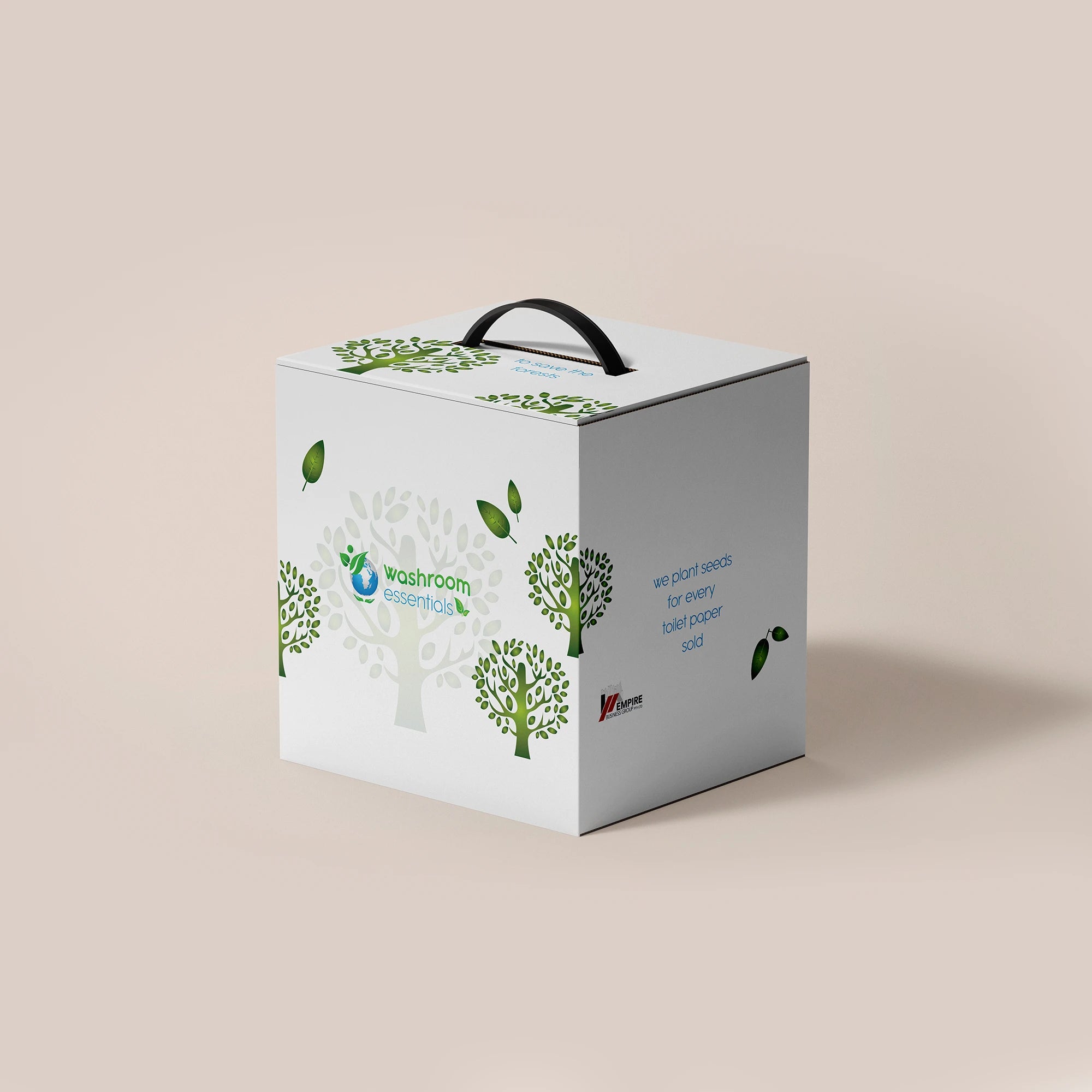
At Washroom Essentials, that thinking sits naturally alongside everyday supply: quality products, direct-to-door convenience and a stronger purpose behind routine purchases.
If you are reviewing your current washroom setup, recycled hand towels are worth judging on real-world performance rather than old assumptions. The right option can keep your bathrooms presentable, your supply process simpler and your purchasing choices better aligned with the kind of impact you want your everyday essentials to have.