
Article: Septic Safe Paper: What Your System Can Handle
Septic Safe Paper: What Your System Can Handle
A septic system is designed to treat wastewater, not cope with whatever happens to go down the toilet. The paper you choose matters because septic safe paper needs to break apart quickly enough for solids to settle, bacteria to do their work and wastewater to move through the system as intended.
For homes, holiday properties, cafés, accommodation venues and workplaces on onsite wastewater, the best choice is usually a quality toilet paper made to disperse readily in water. It should still feel comfortable and perform reliably, but it should not stay intact after flushing. That balance protects your plumbing, reduces avoidable maintenance and keeps your washroom stocked with a product people are happy to use.
What makes paper septic safe?
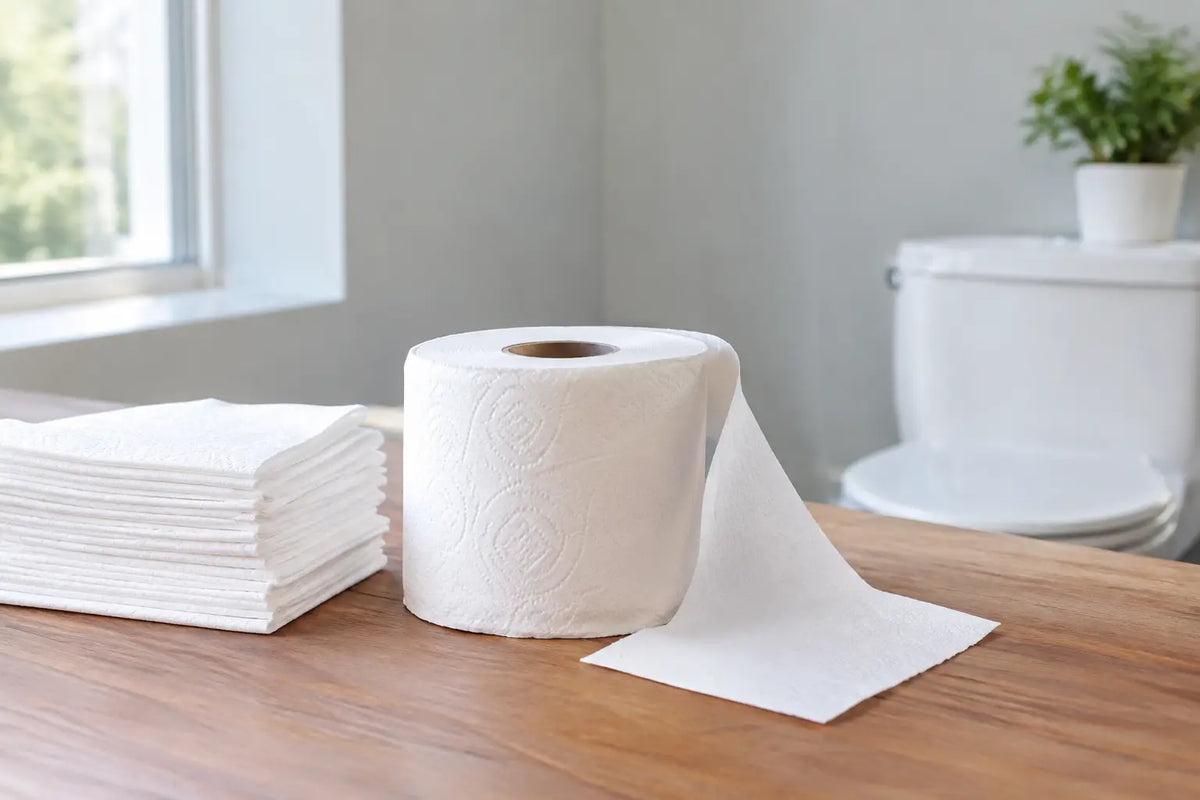
Septic safe paper is toilet paper that is designed to break down quickly in water. This is often called disintegration. Once flushed, the paper separates into smaller fibres rather than remaining in large, tough sheets that can add to a blockage or build up in the tank.
That is different from simply being biodegradable. Many paper-based products will biodegrade eventually, but a septic system needs toilet paper to disperse promptly. Material that hangs together for too long can increase the solid load in the tank and place extra pressure on pipes, pumps and filters.
Look for toilet paper described as septic safe, rapidly dissolving or suitable for septic systems. Products made from virgin pulp, recycled fibre or bamboo can all be suitable, depending on how the paper is manufactured. The fibre source is an environmental consideration; how the finished paper performs in water is the septic consideration.
Softness and strength are not automatically a problem. A well-made toilet paper can be comfortable, absorbent and septic friendly. The key is that it releases when wet rather than behaving like a towel.
Why ordinary toilet paper choices can affect your system
Every flush adds water, waste and paper to a septic tank. In a healthy system, heavier solids settle into sludge, oils and floating material form a scum layer, and partially clarified wastewater moves on for further treatment or disposal. Helpful bacteria break down some organic waste, but they cannot make unsuitable products disappear on demand.
Thick, heavily quilted paper used in excessive amounts may take longer to disperse than a lighter, faster-dissolving option. That does not mean every premium toilet roll is unsuitable. It means the paper choice should match the system, household size and usage pattern.
The consequences of poor choices are rarely immediate. A system may seem fine until a busy holiday period, a large event or a period of heavy rain reveals an underlying issue. Slow drains, gurgling pipes, unpleasant odours, toilet backups and wet patches around the disposal area all need prompt attention. Changing paper can help reduce future strain, but it will not fix a blocked line, full tank or failed drainage field.
For commercial washrooms, the stakes can be higher. A hospitality venue, office or managed property may have many users with different flushing habits. Choosing dependable septic safe toilet paper, providing the right dispensers and keeping bins visible for non-flushable items makes day-to-day washroom management far simpler.
Toilet paper is not the only paper in the washroom
A common mistake is assuming that anything made from paper is safe to flush. It is not.
Facial tissues are designed to stay soft while being handled and may hold together longer than toilet paper. Paper towels are deliberately made for strength and absorbency, so they can easily contribute to pipe blockages. Napkins, cleaning wipes and hand towel offcuts also belong in the rubbish bin, not the toilet.
The biggest concern is flushable wipes. Even when a packet makes a flushability claim, wipes are typically much stronger than toilet paper and may not break apart quickly enough in every plumbing and septic environment. For septic properties, the practical rule is simple: flush only human waste and toilet paper.
Keep a lined bin in each cubicle or bathroom, particularly in shared facilities. Clear signage is worthwhile in accommodation, offices and venues where guests may otherwise flush tissues, sanitary products, wipes or paper towels without thinking twice.
How to choose the right septic safe paper
Start with the product description, not the roll size alone. A larger roll can be good value and reduce changeovers, but the paper should still be made for toilet use and suitable for septic systems. Avoid treating a “luxury” label, recycled claim or bamboo fibre claim as proof of septic performance by itself.
For a typical household, a standard or premium 2-ply toilet paper that is clearly identified as septic safe is often a practical choice. Two plies can offer a better balance of comfort and use-per-sheet than very thin paper. In some cases, using less of a quality product is kinder to the system than using large amounts of a weaker product.
For offices, accommodation and hospitality settings, consider traffic levels and dispenser compatibility as well as the paper itself. Jumbo rolls and controlled-dispense systems can reduce waste and labour, while a reliable carton supply helps prevent the last-minute scramble for stock. The right setup should support hygiene without encouraging overuse.
Environmental priorities also deserve a place in the decision. FSC-certified, recycled and bamboo toilet papers can support more considered purchasing when they are sourced and manufactured responsibly. However, sustainability works best when it includes the whole outcome: a paper product that is fit for purpose, used efficiently and appropriate for the wastewater system it enters.
Does a jar test tell you enough?
A simple at-home test can give a rough indication of how a toilet paper behaves. Place a few sheets in a jar of water, secure the lid and gently shake it. Paper that separates readily is generally a better sign than paper that remains as a solid wad.
Still, this is not a full septic-system test. Water movement, plumbing design, tank condition, bacterial activity and how much paper is used all affect real-world performance. Use a jar test as one small check, then rely on the manufacturer’s suitability information and sensible flushing habits.
Good paper habits protect septic systems
Even the best septic safe paper needs sensible use. Avoid flushing excessive quantities at once, and teach children and visitors that toilets are not rubbish bins. If you manage a business, stock enough toilet paper so people are not tempted to substitute paper towel or tissues.
Be careful with what goes down sinks and drains as well. Cooking fats, harsh chemicals, paints, medicines and large amounts of antibacterial products can interfere with the natural processes a septic system relies on. Follow your local council requirements and arrange regular pumping and servicing based on your tank size, household or site usage, and the advice of a qualified septic professional.
Water use matters too. A sudden surge from multiple loads of washing, long showers and high visitor numbers can push wastewater through before solids have time to settle properly. Spreading water use across the week is often more helpful than trying to solve every issue with a different toilet roll.
A practical choice for homes and busy washrooms
Choosing septic safe paper is a small purchasing decision with a useful long-term payoff. It supports smoother plumbing operation, helps avoid unsuitable materials entering the tank and gives users the comfort they expect from a quality toilet paper.
At Washroom Essentials, the focus is on dependable paper supplies that suit real households and commercial washrooms, including environmentally considered options for buyers who want quality and responsible purchasing in the same carton. Choose toilet paper made for the job, keep everything else out of the bowl, and let your septic system do the work it was built to do.