
Are Bamboo Tissues Biodegradable? What to Know
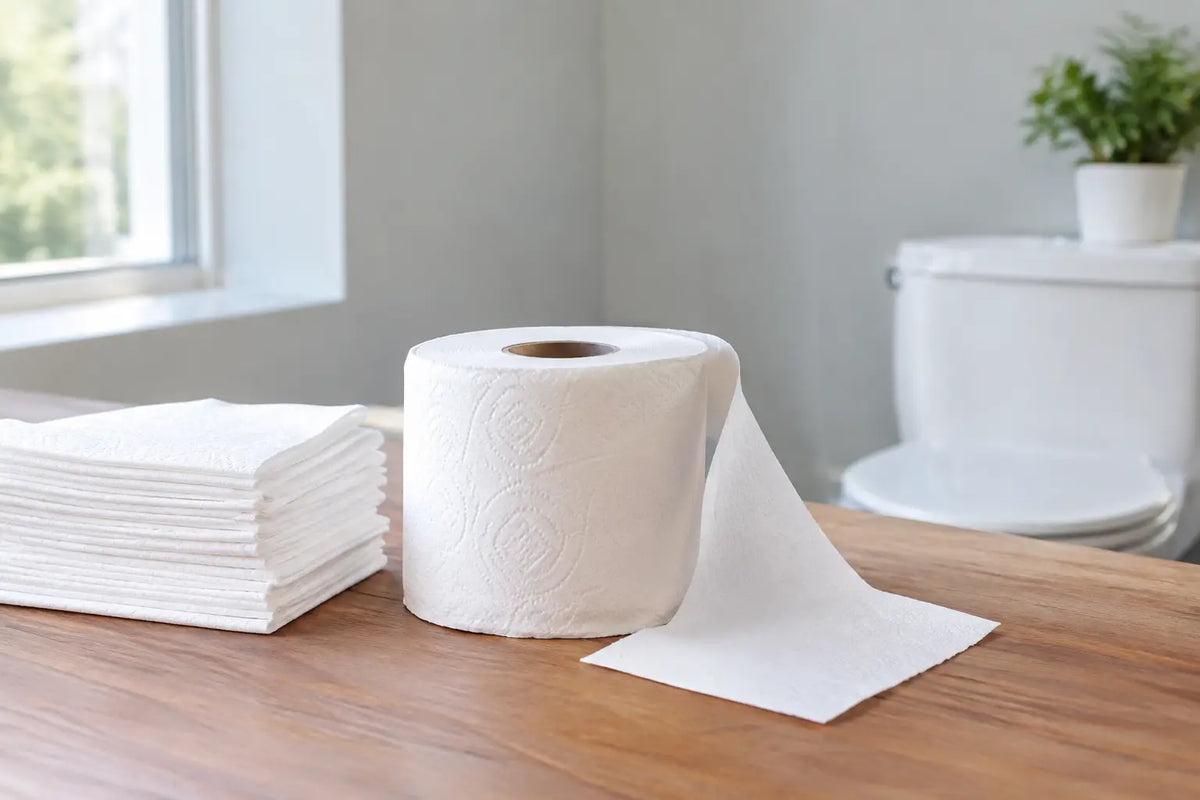
A used tissue is a small thing, but in a busy office, hotel, clinic or family home, they add up quickly. So, are bamboo tissues biodegradable? In most cases, yes. Tissues made primarily from bamboo pulp will break down over time because their fibres are plant-based. The more useful question is how quickly they break down, where they should be disposed of, and whether the whole product is as environmentally responsible as its label suggests.
For buyers choosing washroom supplies in bulk, bamboo tissues can be a practical lower-impact alternative to conventional virgin-tree tissue. But bamboo alone does not guarantee that every tissue, carton or wrapper can go into a compost bin. Product composition, additives, contamination and local waste rules all matter.
Are bamboo tissues biodegradable in practice?
Bamboo is a fast-growing grass, and the pulp used to make tissues is made from natural cellulose fibres. Cellulose is biodegradable: microorganisms can consume it and return it to the natural cycle under suitable conditions. This is the same basic reason plain paper products break down.
Once a bamboo tissue has been used, its short, soft fibres generally break apart faster than heavier paper products such as cardboard or office paper. In an active composting environment with oxygen, moisture and the right mix of materials, an uncoated bamboo tissue can break down relatively readily. In landfill, the process is less predictable. Waste is compacted and oxygen is limited, so biodegradable materials can take much longer to decompose.
That distinction matters. “Biodegradable” does not mean a tissue disappears as soon as it enters the rubbish bin. It means the material can be broken down by natural biological processes, given appropriate conditions.
What determines whether a tissue will break down?
The bamboo fibre is only one part of the product. When comparing tissue options, check the full specification rather than relying on the word “bamboo” on its own.
Fibre content and blends
A tissue made from 100% bamboo pulp is different from a bamboo blend containing virgin wood pulp or recycled fibre. Wood and recycled paper fibres are also biodegradable, so a blended tissue may still be a sound choice. However, clear fibre information helps purchasers understand what they are buying and make comparisons between products fairly.
Bamboo tissue also goes through pulping and manufacturing before it reaches a washroom or desk. Responsible sourcing and recognised forestry certification can provide added confidence that the raw material has been managed with environmental care. Biodegradability addresses what happens after use; responsible sourcing addresses how the material was grown and produced.
Lotions, scents and wet-strength chemicals
Plain, dry facial tissues are typically the simplest option for composting and disposal. Added lotion, fragrance, colourants or wet-strength treatments can affect how a tissue behaves as it breaks down. That does not automatically make it unsuitable, but it can make broad claims less certain.
Wet wipes deserve special attention. Even when a wipe is marketed with bamboo content, it is not the same as a dry bamboo tissue. Many wipes contain synthetic fibres or binders and should not be assumed to be compostable or flushable. Always follow the disposal instructions printed on the pack.
Plastic film, boxes and dispensers
The tissue may be biodegradable while its outer wrapping is not. Soft plastic film, adhesive labels and tape should be separated where practical and disposed of according to local recycling guidance. Cardboard tissue boxes are often recyclable when clean and dry, though plastic dispensing windows should be removed if your local council requires it.
For commercial sites, this is a useful reminder that sustainable purchasing includes packaging choices, storage practices and waste collection arrangements - not just the fibre in the tissue.
Composting bamboo tissues at home and work
Clean, unused bamboo tissues are usually suitable for a home compost system. They provide a carbon-rich, or “brown”, material that can help balance food scraps and garden waste. Tear larger quantities into smaller pieces, keep the compost moist rather than soggy, and mix regularly to support airflow.
Used tissues require more caution. A tissue used for a minor spill, make-up removal or a runny nose may be accepted in some organics systems, but rules vary between councils and workplaces. Tissues used around illness, bodily fluids, cleaning chemicals, oils or disinfectants are better placed in general rubbish unless the relevant local waste authority says otherwise. This is particularly important in hospitality, healthcare-adjacent settings and shared office washrooms, where contamination can be difficult to control.
Commercial composting facilities can reach higher temperatures than a backyard compost bin, but that does not mean every facility accepts tissues. Food and garden organics rules differ across Australian councils, and putting unaccepted materials in a green bin can contaminate an entire load. Check the instructions for your council or waste contractor before changing disposal procedures.
If a site cannot confidently separate clean tissues from contaminated ones, general rubbish may be the most hygienic operational choice. Reducing unnecessary use and selecting a responsibly sourced product still delivers a practical environmental benefit.
Do not flush bamboo tissues
Biodegradable is not the same as flushable. Bamboo facial tissues, hand towels and standard toilet tissues should not automatically be treated the same way once they enter plumbing.
Toilet paper is specifically designed to disperse in water and pass through wastewater systems. Facial tissues are usually stronger, designed to hold together when used, and may not break apart quickly enough after flushing. Hand towels are stronger again. Flushing them can contribute to blocked pipes, pump damage and expensive maintenance - a costly issue for homes, cafés, offices and accommodation venues.
The safest approach is simple: flush only toilet paper and human waste. Put used facial tissues in a lined rubbish bin, then follow your local waste guidance for the bagged material. This protects both plumbing and the people responsible for maintaining it.
Bamboo tissue versus recycled tissue
Both bamboo and recycled tissues can support more considered washroom purchasing. The best option depends on your priorities, product performance requirements and available waste streams.
Bamboo can be attractive because it is a rapidly renewable fibre source. Well-made bamboo tissues can be soft, absorbent and suitable for customer-facing spaces where comfort and presentation matter. They are often chosen for homes, boutique accommodation, meeting rooms and premium washrooms.
Recycled tissue gives existing paper fibre another useful life, reducing demand for newly harvested fibre. For high-volume back-of-house use, cleaner’s cupboards and office kitchens, recycled options can be an excellent value-driven choice. The trade-off is that recycled fibres are shorter after repeated processing, which can affect softness or strength depending on the product.
Rather than treating one material as universally better, match the tissue to the job. A business may choose soft bamboo facial tissues for reception and guest areas, then use quality recycled hand towel for everyday drying stations. The strongest purchasing policy considers performance, price, sourcing credentials, packaging and end-of-life disposal together.
How to buy better bamboo tissues for your site
Start with product information that is specific. Look for a clearly stated fibre composition, whether the tissues are dry or wet, and whether any lotion, scent or special treatment has been added. If sustainability claims matter to your organisation, seek credible environmental certification and transparent sourcing details instead of vague “eco-friendly” wording.
Next, consider consumption. A tissue that is suitably soft and absorbent may reduce the number people use per visit. In commercial bathrooms and hospitality settings, the right dispenser and pack format can also reduce overuse, keep stock cleaner and make servicing easier. Buying cartons can reduce procurement time and help maintain dependable supply, especially for sites with regular demand.
Finally, make disposal instructions visible. A small sign near bins can prevent facial tissues and hand towels from being flushed. Staff should also know which materials, if any, are accepted in an organics bin. Clear processes make sustainability easier to maintain when a site is busy.
A practical choice with limits
Bamboo tissues are biodegradable when they are made mainly from natural bamboo cellulose, and they can be a sensible addition to a responsible washroom supply plan. Their environmental value is strongest when the fibre is responsibly sourced, the product is fit for purpose, packaging is considered and disposal matches local rules.
For Australian homes and workplaces, the goal is not to find a tissue that solves every waste challenge. It is to choose quality essentials that perform well, avoid unnecessary materials and support better everyday habits. Washroom Essentials helps make that choice practical with dependable paper products designed for regular use, delivered where they are needed most.