
A Washroom Restocking Guide for Cleaners
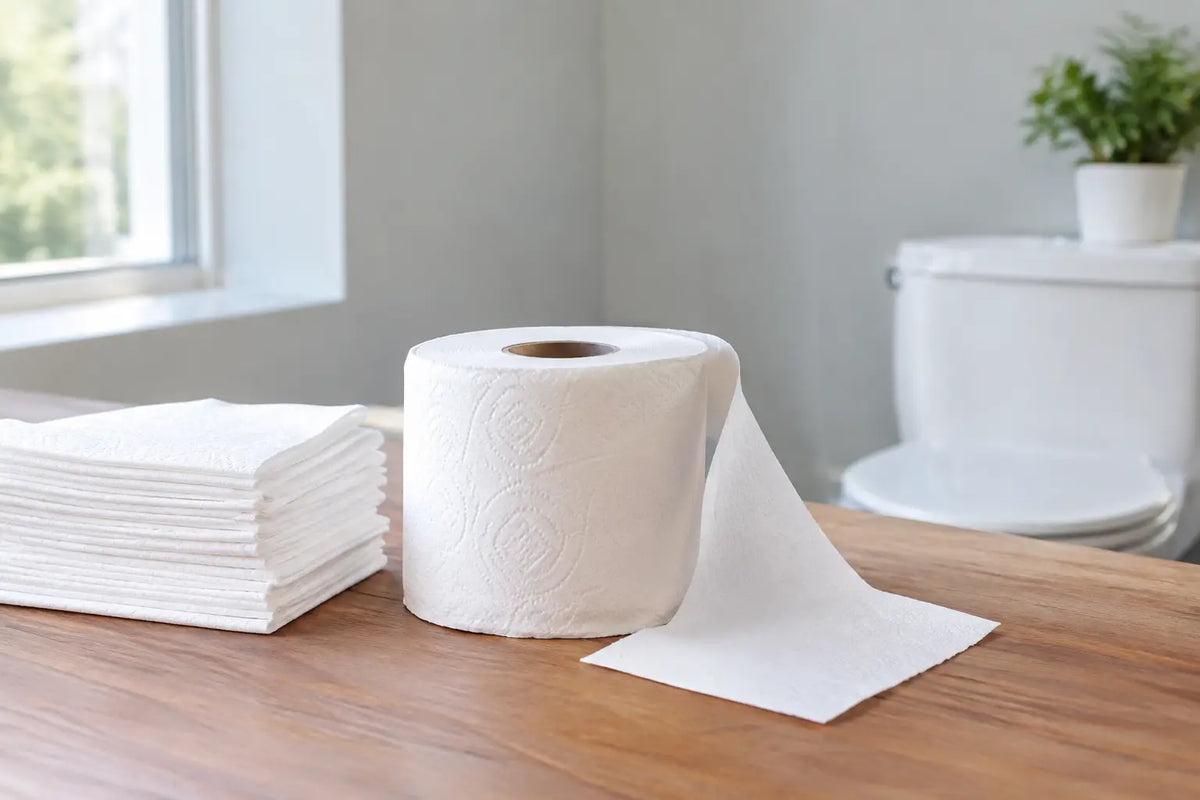
An empty toilet roll dispenser at 8 am can undo an otherwise excellent clean. For cleaners, a practical washroom restocking guide for cleaners is not just about filling dispensers. It is about keeping staff, guests and customers comfortable, preventing avoidable call-backs, and making every service visit efficient.
The best restocking routine is simple enough to repeat across a small office, busy café, hotel floor or multi-storey commercial site. It combines a clear order of work, realistic stock levels and dependable consumables that suit the washroom’s traffic and fittings.
Build restocking into the cleaning sequence
Restock after the main clean, not before it. Cleaning first lets you see what has been used, check whether a dispenser is working correctly, and avoid contaminating fresh supplies while wiping surfaces or emptying bins. It also means toilet paper, hand towels and tissues are presented neatly once the room is ready for use.
Start at the entrance and work around the room in one direction. Check the rubbish bin, toilet roll dispensers, hand towel dispenser, soap dispenser and sanitary disposal unit before moving to the next cubicle or basin. This consistent route matters on larger sites, where missed checks usually happen when cleaners are interrupted or trying to remember what has already been done.
Look beyond whether a dispenser is completely empty. A roll that is down to its last few sheets, a towel unit with a thin stack, or a tissue box with only a handful left can all create complaints before the next scheduled clean. Replace low stock according to the agreed site standard, then record faults such as jammed dispensers, missing keys or damaged mounting brackets straight away.
Washroom restocking guide for cleaners: set par levels
A par level is the minimum quantity of stock a washroom needs to operate confidently between services. It stops the common habit of ordering only when the storeroom looks bare, which often leads to urgent purchases, mismatched products and wasted time.
Your par level should reflect three things: daily foot traffic, the time between cleaning visits, and the type of venue. A low-use staff washroom may need only a modest backup supply. A restaurant washroom during Friday and Saturday service, or a public facility near an event space, needs far more allowance. It depends on the site, so avoid applying one stock number everywhere.
Calculate demand from real use
For two to four weeks, note how many rolls, towel packs, tissue boxes and soap refills each washroom uses. Include busy days, not just the quiet average. If a washroom uses two jumbo toilet rolls a day and is serviced every second day, holding at least five or six rolls nearby gives a sensible buffer for a rush period or an unexpected delay.
Hand towels need particularly close attention. Their use rises in venues where hand dryers are unavailable, out of service, or simply unpopular with visitors. Folded towel systems can also be affected by poor loading: overfilled dispensers jam, while loosely packed towels may be pulled out in large handfuls. Stock quantity and correct dispenser loading work together.
Set a reorder point, not just a maximum
Keep a maximum amount in the cleaner’s cupboard or service trolley, then choose a reorder point that allows for delivery lead time. For example, if a site keeps four cartons of hand towels and normally uses one carton each week, ordering when two cartons remain gives time to receive the next delivery without pressure.
Carton buying is often the practical choice for busy workplaces and commercial cleaning teams because it reduces unit cost and order frequency. However, cartons need dry, secure storage. Do not buy more than the site can store cleanly off the floor, away from leaks, chemicals and high-traffic access areas. Damaged paper stock is false economy.
Stock the supplies people notice first
People rarely comment when a washroom is well supplied, but they notice immediately when an essential is missing. Prioritise the consumables that affect hygiene, comfort and the appearance of the space.
A cleaner’s regular stock check should cover:
- toilet paper that fits the installed dispenser, plus backup rolls where required
- hand towels or compatible towel rolls, loaded so they dispense cleanly
- facial tissues for reception areas, meeting rooms or guest amenities
- hand soap refills and sanitary disposal consumables where included in the contract
- bin liners, cleaning cloths and approved hygiene products for the next service.
Match consumables to the venue and dispenser
The cheapest roll is not automatically the best value. A poorly fitting roll can cause dispenser jams, excess paper use and more cleaning call-outs. Before ordering, confirm the roll width, core size, sheet format and dispenser model. The same applies to interleaved, compact and roll towel systems.
Quality also affects consumption. Stronger toilet paper and absorbent hand towels can reduce the amount used per visit, particularly in high-traffic washrooms. Hotel-quality options may suit hospitality settings where guest comfort matters, while economical commercial-grade products can be appropriate for staff amenities with steady use.
Consider the finish as well as the function. White paper can support a crisp, polished presentation in client-facing spaces. Recycled, FSC-certified or bamboo options may better reflect a venue’s environmental commitments. There is a trade-off: the right choice depends on the required softness, strength, budget and the equipment already in place.
Keep a mobile caddy and secure backup stock
A well-organised cleaning caddy prevents repeated trips to the supply cupboard. Carry the amount needed for the shift, with a small buffer of the fastest-moving products. For a large site, a compact trolley with separate clean-stock and waste sections saves time and helps keep fresh paper products away from used liners and cleaning chemicals.
Keep reserve cartons in a locked, dry cupboard or storeroom. Label shelves by product and place older stock at the front so it is used first. This simple rotation reduces crushed packaging, forgotten stock and last-minute substitutions that may not fit the dispenser.
Where multiple cleaners work the same site, use clear labels and one agreed storage layout. A cupboard that makes sense only to the person who set it up will create delays when shifts change.
Use checks to prevent complaints and wasted stock
A quick written or digital check sheet helps cleaners prove that essentials were topped up and makes recurring issues visible. Record stock used, low supplies, faults and unusual demand. A sudden jump in towel use may point to a leaking tap, a dispenser problem or a change in building occupancy.
Avoid overstuffing every dispenser at every visit. Paper can become damp, creased or difficult to pull through when loaded beyond capacity. In low-use washrooms, topping up to a sensible level is better than continually opening fresh stock that may sit for weeks. In high-use facilities, full loading and a nearby backup are usually worth the extra effort.
Managers and contract cleaners should review usage patterns monthly, especially after a new tenant moves in, a venue changes trading hours or seasonal events begin. Small adjustments to par levels are more effective than frequent emergency orders.
Make everyday restocking a better choice
Washroom supplies are recurring purchases, so material choices add up over a year. Selecting recycled, FSC-certified or bamboo paper products where suitable can support responsible sourcing without compromising the practical standards a commercial washroom needs. Ordering in cartons can also reduce the number of individual packs handled and stored.
For businesses that want everyday supplies to support a broader purpose, Washroom Essentials offers paper essentials designed for reliable bulk purchasing, with environmental and community commitments built into the brand. The priority remains straightforward: choose products that fit your dispensers, meet the site’s hygiene needs and arrive before stock becomes urgent.
A well-stocked washroom is one of the quiet signs of a professionally managed space. Set realistic levels, load products correctly and treat every low dispenser as a maintenance issue waiting to be prevented. Your next shift will run faster, and the people using the washroom will simply find what they need.