
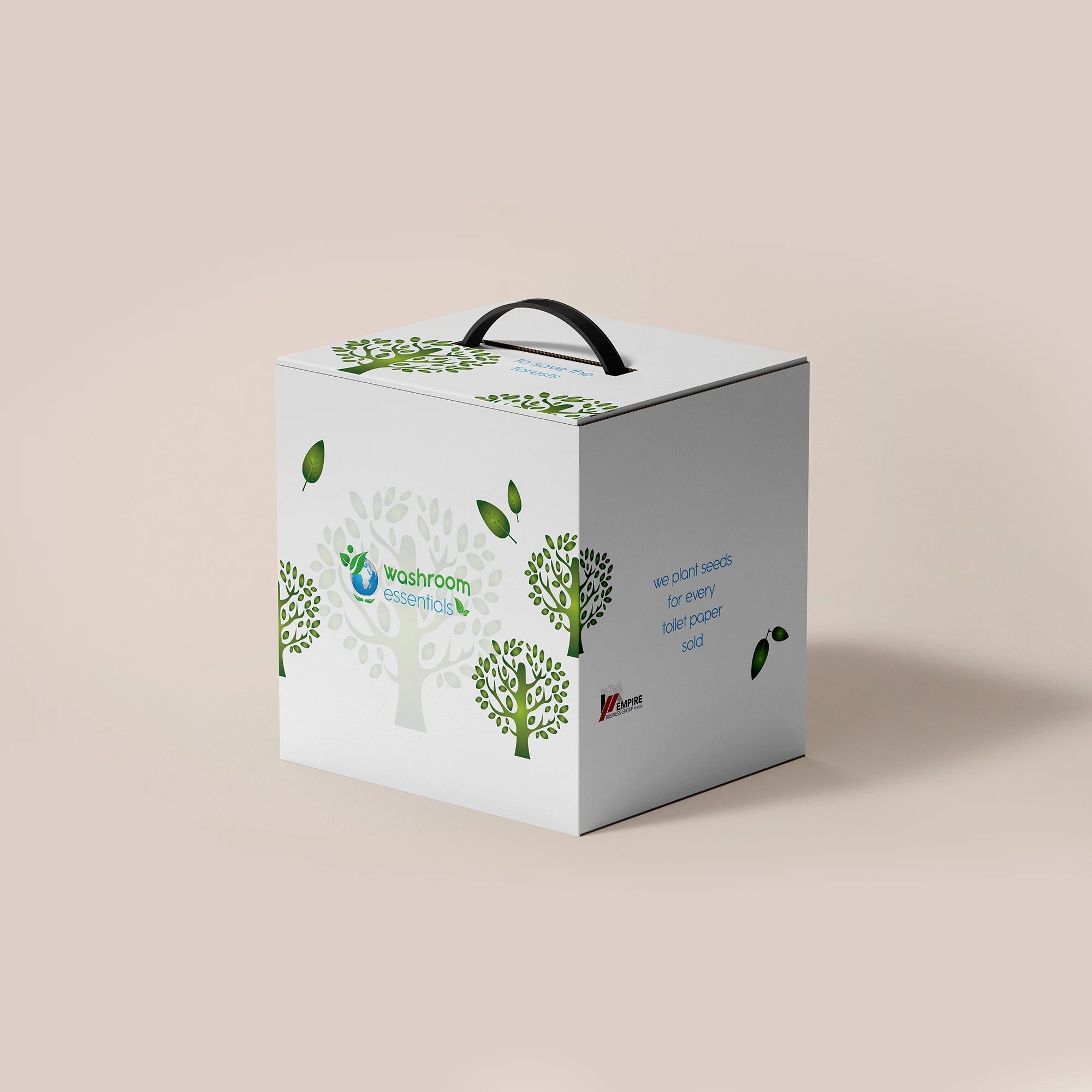

How to Switch to Recycled Tissues With Ease
A tissue box is a small purchase until it runs out during a cold snap, a busy service period or a packed workday. That is why knowing how to switch to recycled tissues is not simply about choosing a greener label. It is about finding dependable products that feel comfortable, meet hygiene expectations and arrive when you need them.
For households, workplaces and hospitality venues, recycled tissues can be an easy practical change. The key is to assess what you use now, choose products suited to the job and make the change in a way that does not create avoidable waste or supply headaches.
Why recycled tissues are worth considering
Traditional tissue products are commonly made with virgin fibre, meaning new wood pulp is used to create each sheet. Recycled tissues use recovered paper fibres that have been processed and made suitable for another use. Choosing them helps extend the life of existing paper materials and can reduce demand for newly sourced fibre.
That environmental benefit matters, but it should not require your team, guests or family to settle for poor performance. Quality recycled facial tissues and toilet tissues are made to be soft, absorbent and hygienic for everyday use. Product quality varies between ranges, however, so it pays to compare specifications rather than assuming every recycled option will feel the same.
For commercial buyers, the switch can also support wider sustainability targets. A workplace that replaces regularly ordered washroom consumables with certified recycled alternatives has a straightforward, visible action to include in its procurement approach. For homes, it is a simple way to make an everyday routine more considered without changing how the bathroom or kitchen operates.
Start with what your space actually uses
Before ordering a replacement carton, take a quick look at your current consumption. Count the tissue boxes or toilet rolls used over an average month, note where they are placed and identify who uses them. A family bathroom has different needs from an office reception, café washroom or hotel room.
Think about the intended task as well. Facial tissues need softness and gentle strength. Toilet tissue needs reliable breakdown and comfort. Paper hand towels need wet strength and the right fold or roll format for the dispenser. Calling every paper product a tissue can lead to the wrong purchase, particularly when ordering in bulk.
For a workplace or facility, ask cleaners or front-of-house staff where stock disappears fastest. They will often know whether the issue is genuine demand, an inconvenient dispenser location or products being taken from storage without being recorded. This short audit gives you a realistic starting quantity and reduces the risk of over-ordering.
Understand recycled content and certification
Not all eco-focused paper products make the same claim. Look for clear information about recycled content, fibre source and recognised forestry certification. FSC-certified products, for example, provide assurance around responsible forest management and controlled sources. A recycled-content claim tells you that recovered fibre is part of the product, while certification can offer further confidence about the paper supply chain.
It is also useful to distinguish between post-consumer and pre-consumer recycled content. Post-consumer material has already been used by households, offices or other end users and recovered for recycling. Pre-consumer material generally comes from manufacturing offcuts or recovered material before it reaches the consumer. Both can have a place in paper production, but a supplier should describe the product honestly.
Avoid treating packaging colour as proof of environmental credentials. Brown cartons, green logos and words such as natural do not tell you enough on their own. Check the product description for fibre details, certification and pack size, then compare like with like.
How to switch to recycled tissues without disrupting supply
The lowest-risk approach is usually a staged change. Start with one high-use location, one floor or one room type rather than replacing every product at once. This lets you check softness, dispensing, storage requirements and user feedback before committing to a larger recurring order.
For homes, trial a recycled facial tissue box in the living area and bathroom first. If the feel and strength suit your household, make it part of the regular shop. For offices, try the product in staff kitchens, meeting rooms or a single washroom bank. Hospitality operators may prefer to test it in a small group of rooms before changing guest supplies across the venue.
Keep a small buffer of your existing stock during the trial. The goal is not to create a dramatic changeover, but to see whether the new product works in real conditions. Once it does, update your regular order quantity and phase out the old line as it is used. This prevents perfectly good stock from ending up in the rubbish.
Match the product to the dispenser and setting
A recycled paper product can perform well only when it suits the system around it. Hand towels are the clearest example. Interleaved, multifold and roll towels need compatible dispensers, and the wrong format can cause jamming, waste or frustrated users. Check sheet dimensions, roll width, core size and dispensing style before buying cartons.
In public-facing washrooms, controlled dispensing often makes more difference to consumption than changing the paper itself. A dispenser that releases one towel or a measured length of roll can discourage handfuls of paper and keep the washroom tidier. In a home, a simple box tissue or standard toilet roll may be all that is needed.
Placement matters too. Put facial tissues where people naturally need them, such as reception desks, meeting spaces, bedrooms and waiting areas. When products are accessible, users are less likely to substitute unsuitable paper towels or toilet tissue for nose and face use.
Do not judge quality by colour alone
Some recycled tissues are brighter or softer than others. This can depend on the fibre mix, processing method, ply count and embossing, not just whether the paper is recycled. A slightly different texture or natural tone does not automatically mean lower quality.
Instead, test the characteristics that matter in your setting: softness against skin, absorbency, strength when used and how easily the tissue separates from the pack. For toilet rolls, consider sheet count and roll length alongside the number of rolls in a carton. A cheaper pack is not always better value if rolls are smaller or need replacing more often.
There can be trade-offs. Premium recycled tissues may cost more upfront than entry-level virgin-fibre options, while bulk cartons can lower the per-unit cost but require more storage. The right choice depends on your usage rate, available space and the standard you want to provide. A reliable hotel-quality range may be the better fit for guests or client areas, while a value-focused recycled option may suit back-of-house spaces.
Make purchasing easier, not more complicated
Once you have chosen a suitable product, turn the switch into a repeatable routine. Set a reorder point based on real use, not the moment the last box is opened. For example, an office might reorder when it has two weeks of tissue stock remaining, while a busy venue may need a larger safety margin around peak periods.
Bulk ordering can make this simpler for regular users of washroom supplies. It reduces last-minute shopping, helps maintain a consistent product across multiple locations and can cut down on separate deliveries. Store cartons in a clean, dry area away from leaks, floor moisture and strong odours. Paper products last best when packaging stays intact until needed.
If you manage several sites, standardise the selected tissue range where practical. This makes ordering easier for procurement teams and helps cleaners recognise the correct stock. It also provides clearer information when reviewing costs and consumption over time.
Help people understand the change
Most people will not need a lengthy explanation, but clear communication can prevent assumptions that recycled means inferior. In a workplace, a simple note in the cleaning cupboard or a brief staff update can explain that the new supplies were selected for both quality and reduced environmental impact.
Keep the message practical. Say what is changing, why it was chosen and where feedback should go. If a particular recycled tissue is not the right fit, that feedback is useful. Sustainable purchasing works best when it is matched to real users, rather than treated as a box-ticking exercise.
For businesses, this is also an opportunity to align everyday operations with broader values. Washroom Essentials supports buyers looking for dependable paper products with environmentally considered options, helping homes and workplaces keep essential supplies on hand while making a more responsible choice.
Let the next order set the standard
The most effective sustainable changes are the ones people can maintain. Choose recycled tissues that feel right, work with your dispensers and fit your budget, then build them into your normal ordering cycle. A small everyday product may not attract much attention, but consistent choices across every box, roll and carton can make your washroom supply routine better for people and the resources it relies on.