
How Long Do Toilet Rolls Last at Home or Work?
Run out of toilet paper once and it stops being a small household item and starts feeling like a supply chain problem. If you have ever wondered how long do toilet rolls last, the honest answer is that it depends less on the roll itself and more on who is using it, how often, and what quality you are buying.
For households, offices and hospitality venues, getting this estimate right matters. It helps you avoid emergency supermarket runs, reduce over-ordering, and choose the right carton size for both budget and storage. It also makes it easier to compare standard rolls, jumbo rolls and premium options without guessing.
How long do toilet rolls last in real use?
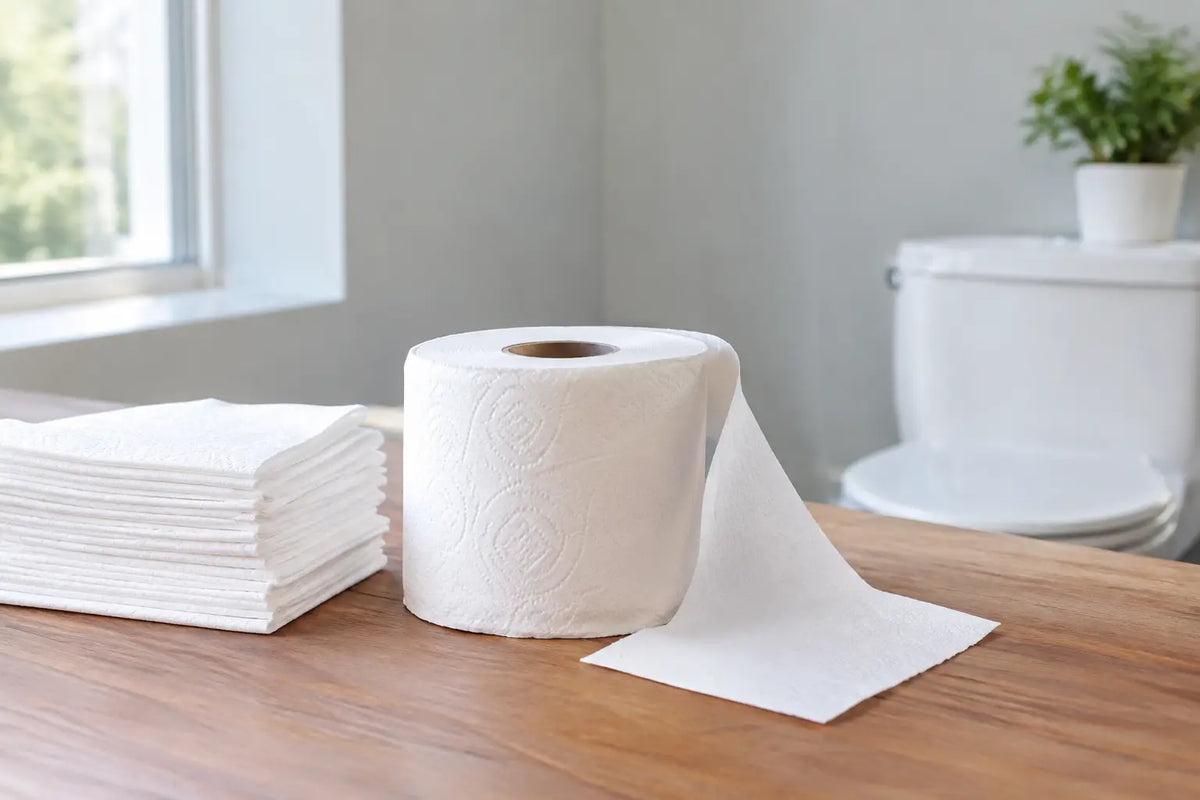
A single toilet roll can last anywhere from one to seven days in a home bathroom, and sometimes only a few hours in a busy commercial washroom. That is a wide range, but there is a reason for it. Toilet paper usage changes quickly based on the number of people using the bathroom, the ply, the sheet count, and even the way the paper feels in hand.
In a typical Australian household, one standard roll often lasts one person around three to five days. For a couple, that same roll may be gone in one to three days. In a family home with children, usage usually rises faster than expected, especially when toilet paper gets used for spills, runny noses or enthusiastic over-pulling.
At work, schools, cafes and other shared spaces, the lifespan of a roll is usually much shorter. Public and staff amenities tend to have higher use per person and less consistency in how much paper is taken each time. That is why commercial buyers often move from estimating per roll to estimating per carton or per month.
What affects how long toilet rolls last?
The biggest factor is traffic. A powder room used by guests on weekends will barely make a dent in a roll, while the main bathroom in a busy office can get through several in a day. But traffic is only part of the picture.
Roll size matters more than many buyers realise. A standard toilet roll may look similar across brands, yet sheet count and roll length can vary a lot. One brand’s 2 ply roll could have far fewer sheets than another brand’s premium range, so two rolls are not always a fair comparison.
Paper quality also changes behaviour. Softer, stronger toilet paper often means people use less per visit because it performs better. Thin or rough paper can have the opposite effect, with users pulling more to get the same result. On the surface, cheaper products can look like the budget option, but they do not always last as long in practice.
Then there is the setting itself. Homes usually have more controlled use. Offices, hospitality venues and public facilities often have a mix of users and less accountability, which naturally increases consumption. If bathrooms are cleaned frequently and kept well stocked, people also tend to use the space more confidently, which can slightly lift usage.
A practical guide by household size
If you are buying for home, a simple estimate helps. One person will often use six to ten standard rolls a month. Two people may use around 12 to 18. A family of four can easily go through 24 to 40 rolls monthly, depending on habits, product type and whether children are using extra paper for non-toilet tasks.
These figures are not fixed. A home with multiple bathrooms may appear to use more because spare rolls are spread across rooms. The actual use has not changed, but your stock disappears into storage spots and cupboards. That is one reason many households feel like they are running out sooner than expected.
Buying in cartons usually makes more sense once you know your monthly pattern. It reduces shopping frequency, keeps your cost per roll more predictable, and gives you a buffer when demand spikes due to visitors, illness or school holidays.
How long do toilet rolls last in offices and commercial spaces?
Commercial buying works differently because usage is less personal and more operational. In an office, a good starting point is that each staff member may use roughly one to three rolls per week, depending on attendance patterns and bathroom setup. A five-day office with 20 staff can therefore move through 20 to 60 rolls a week without anything unusual happening.
For hospitality, healthcare, education and public-facing venues, demand can be much higher. Customers, guests and transient visitors make usage harder to predict, and bathrooms need to remain stocked at all times. Running out is not just inconvenient. It affects hygiene standards, customer experience and staff time.
That is where larger formats and dispensers become more practical. Jumbo rolls and controlled-dispense systems often reduce replacement frequency and cut waste. They also make stock planning easier because each refill lasts longer under heavy traffic. The trade-off is that they need the right fit-out and may not suit every bathroom design.
Why cheap rolls do not always last longer for your budget
Price matters, but so does value. A low shelf price can be appealing, especially when buying for a large household or a busy facility. But if the paper is thin, tears easily or has a low sheet count, your actual usage can rise. That means replacing rolls more often and ordering more frequently.
A better way to assess value is to look at the total usable paper and how efficiently people use it. Softer, stronger and better-made rolls can last longer because users need less. That is particularly relevant in workplaces and commercial settings, where small gains in efficiency add up across dozens or hundreds of uses per day.
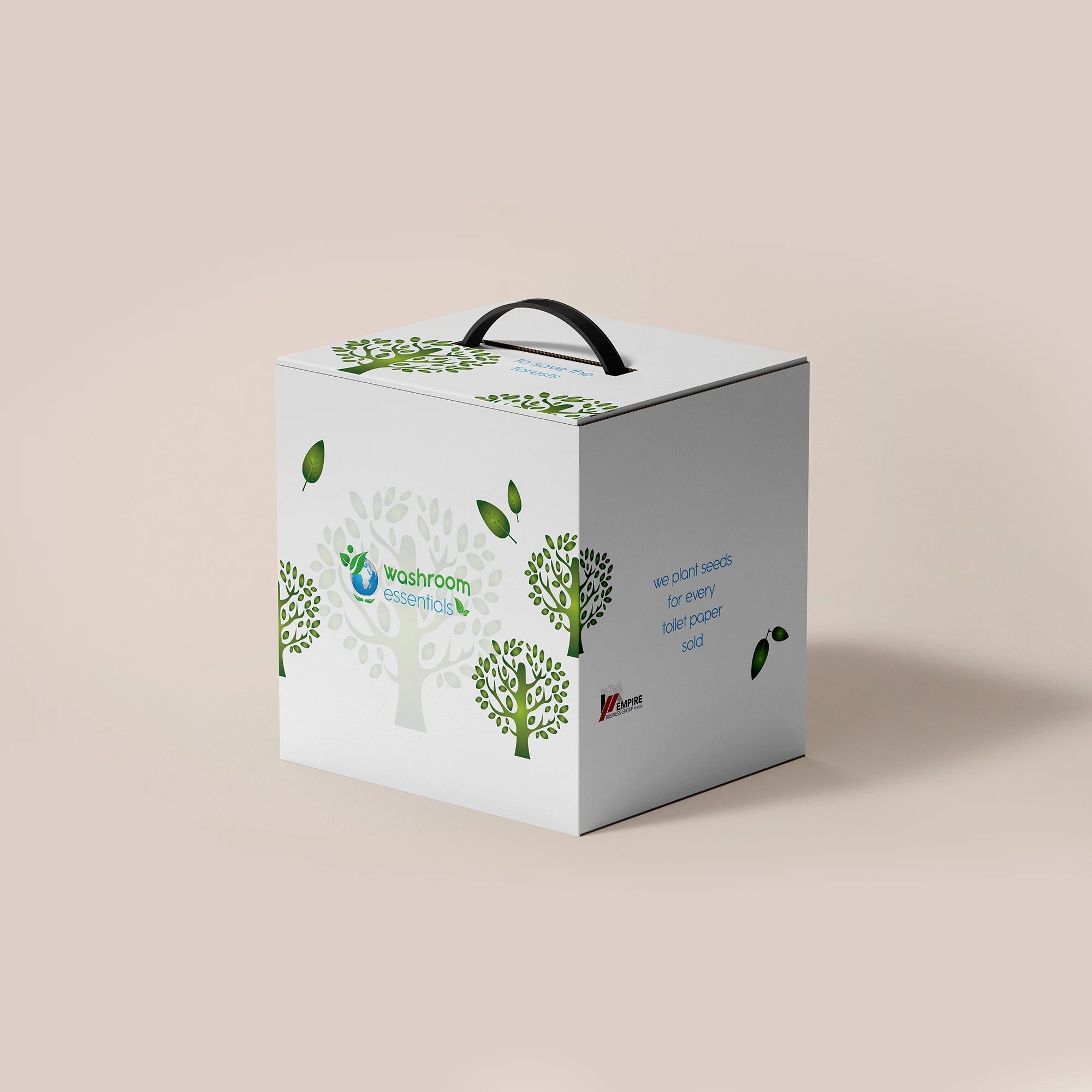
There is also a sustainability angle. Products made from recycled fibres, FSC-certified sources or rapidly renewable materials like bamboo can support environmental goals without compromising day-to-day performance. For many Australian buyers, that balance matters. You want dependable supply and quality, but you also want purchasing decisions to reflect broader values.
How to estimate the right order quantity
The easiest method is to track real usage for a month. Count how many rolls your home or site starts with, how many you buy or restock during the month, and what remains at the end. That gives you a much clearer average than guessing from memory.
From there, build in a safety margin. For home, two to four extra weeks of stock is usually enough if you have cupboard space. For offices and venues, the buffer should be larger because demand can jump with visitors, events, peak trading periods or delivery delays.
Storage conditions matter too. Toilet paper should be kept dry, clean and away from direct moisture. Bulk buying only works well if your stock remains in good condition. In compact sites, it can be smarter to order a little more often rather than squeeze cartons into unsuitable storage areas.
Signs you are under-ordering or over-ordering
If staff are regularly moving rolls between bathrooms, if household cupboards are unexpectedly empty, or if you keep making top-up purchases between planned orders, you are likely under-ordering. That usually costs more in the long run because urgent buying is rarely the most efficient buying.
Over-ordering looks different. You may have cartons sitting untouched for months, storage areas becoming cluttered, or stock getting damaged because there is simply too much on hand. The goal is not to buy the biggest volume possible. It is to buy the right volume for your actual rate of use.
For many buyers, that sweet spot is regular bulk ordering from a dependable supplier with consistent product specs. When the roll size, quality and lead time stay predictable, your planning gets much easier.
The smarter way to think about toilet roll longevity
Instead of asking only how long one roll lasts, it helps to ask how stable your supply is across a month or quarter. That is the more useful question for households trying to simplify shopping and for businesses trying to avoid disruption.
A roll lasts longer when the product is well made, the format suits the setting, and your order volume matches your real usage. There is no perfect universal number, because homes, offices and venues all behave differently. What does stay consistent is the value of choosing quality, planning ahead and buying from a supplier that understands both performance and sustainability.
If your bathroom supplies are something you would rather sort once and not think about again, that is usually a sign you are buying the right way.