

Facial Tissues That Keep Every Space Ready
A tissue box is often noticed only when it is empty. That is exactly why facial tissues deserve more thought than they usually receive. In a home, office, reception area or guest room, quality facial tissues quietly support comfort, hygiene and a well-prepared space. The right option feels soft on skin, holds together when used and stays within reach when someone needs it.
For regular buyers, the decision is also practical. Tissue quality affects how quickly a box is used, how professional a shared area feels and how often someone has to add another item to the shopping list. Choosing well means balancing softness, strength, presentation, pack size and responsible material choices.
What to look for in facial tissues
Not all tissues perform the same way. A very thin sheet may be economical at first glance, but if users need several sheets at once, it can create more waste and faster replacement cycles. A thicker, well-made tissue can offer better value because one or two sheets may do the job comfortably.
Ply is a useful starting point. Two-ply facial tissues are a dependable everyday choice for households, workplaces and hospitality settings because they combine softness with enough strength for common use. Higher-ply or premium tissues can suit hotel rooms, executive offices and client-facing spaces where an extra-soft feel contributes to the overall experience.
Softness matters, particularly during cold and allergy seasons when tissues are used repeatedly. However, softness should not come at the cost of strength. Look for tissues that remain intact when used, without feeling rough or leaving lint behind. For busy washrooms or shared spaces, that balance makes a noticeable difference.
The box itself also matters. A compact cube box works well on desks, side tables and reception counters where space is limited. Rectangular boxes are often easier to place in staff kitchens, meeting rooms and guest accommodation. For commercial buyers, consistent box sizing makes storage and replenishment simpler.
Match the tissue to the setting
Homes usually benefit from keeping tissues in the places people naturally reach for them: bedrooms, living areas, bathrooms, the car and a home office. A carton purchase can be especially useful for families, reducing last-minute supermarket runs while keeping a reserve in the linen cupboard.
In offices, tissues are a small but meaningful part of staff wellbeing. Place boxes in meeting rooms, kitchens, reception areas and individual work zones. A clean, full box helps visitors feel considered and gives team members easy access during hay fever season or when they are under the weather.
Hospitality venues should consider both comfort and presentation. Guest rooms, dining areas, foyers and function spaces all benefit from tissues that look tidy and feel premium. In these settings, crushed or flimsy boxes can undermine an otherwise polished fit-out, so choosing a reliable product and storing cartons carefully is worthwhile.
For cleaners, facilities teams and property managers, consistency is usually the priority. Buying the same dependable range across multiple sites makes ordering easier, helps staff know what to replenish and creates a more uniform standard for tenants, guests and employees.
Facial tissues and hygiene in shared spaces
Tissues are a simple way to encourage cleaner habits without making a space feel clinical. They give people a convenient option for sneezes, runny noses, makeup touch-ups and small spills. When a tissue is within reach, it is less likely that someone will use a sleeve, a paper napkin intended for food service or a hand towel designed for drying hands.
Placement matters as much as supply. Put tissues where people sit, wait or work rather than hiding every box in a cupboard. Reception desks, boardrooms, breakout spaces and accessible bathroom counters are sensible locations. In customer-facing environments, keep the box clean, dry and properly stocked. A half-empty, damaged box should be replaced before it becomes an eyesore.
Used tissues should go into the rubbish bin, not be flushed down the toilet. Although facial tissues are paper-based, they are not designed to break down in plumbing in the same way as toilet paper. A clearly positioned bin and regular cleaning schedule help prevent avoidable blockages and keep washroom areas presentable.
Choosing materials with a lighter footprint
Everyday paper products are necessary, but purchasing choices can still support lower-impact supply. Many buyers now look for recycled content, responsibly sourced virgin fibre, bamboo-based options and credible environmental certification. FSC-certified products, for example, can help purchasers identify paper sourced from responsibly managed forests and controlled sources.
There is no single best material for every use. Recycled facial tissues can be a strong choice for buyers focused on using recovered fibre, while responsibly sourced virgin-fibre tissues may offer a particularly soft, bright finish. Bamboo can appeal to buyers looking for rapidly renewable fibre, although product quality, transport, packaging and certification should all be considered rather than relying on one claim alone.
The practical question is not whether a tissue has the most impressive label. It is whether it meets the needs of the people using it while aligning with your purchasing priorities. A premium tissue that lasts longer per use may reduce consumption. A recycled option may better suit an organisation with a clear recycled-content policy. The right decision depends on the setting, budget and expected usage.
Packaging deserves attention too. Carton ordering can reduce the frequency of deliveries and help businesses avoid repeatedly buying small packs. For households and workplaces with storage space, bulk purchasing is often more efficient, provided stock is kept dry, clean and away from strong odours.
How much tissue stock should you keep?
Running out of tissues is inconvenient, but over-ordering can leave boxes exposed to moisture, dust or damage. A simple stock routine avoids both problems. Work out how many boxes are used in an average fortnight or month, then keep enough reserve stock to cover delivery time and seasonal demand.
Usage often rises in winter, during allergy season and when workplaces are hosting more visitors. Hotels and accommodation providers may also see changes around school holidays, events and peak travel periods. Reviewing orders every few months gives you a clearer picture than relying on a one-off estimate.
For businesses with several areas to replenish, nominate one person or team to monitor stock. Keep unopened cartons in a dry storage area and rotate older stock to the front. That small routine prevents forgotten boxes from becoming crushed or unusable behind other supplies.
A better buying decision is not always the cheapest box
Price matters, particularly when ordering consumables for a busy workplace or multiple properties. Yet the lowest unit price does not always equal the best value. Consider sheet count, ply, box durability, how many tissues users take at a time and whether the product reflects the standard you want guests or staff to experience.
A dependable bulk range can reduce procurement friction as well. Fewer emergency purchases, fewer substitutions and a predictable delivery schedule give household and business buyers more control. It also makes it easier to maintain a consistent supply of other washroom essentials, including toilet paper, hand towels and dispensers.
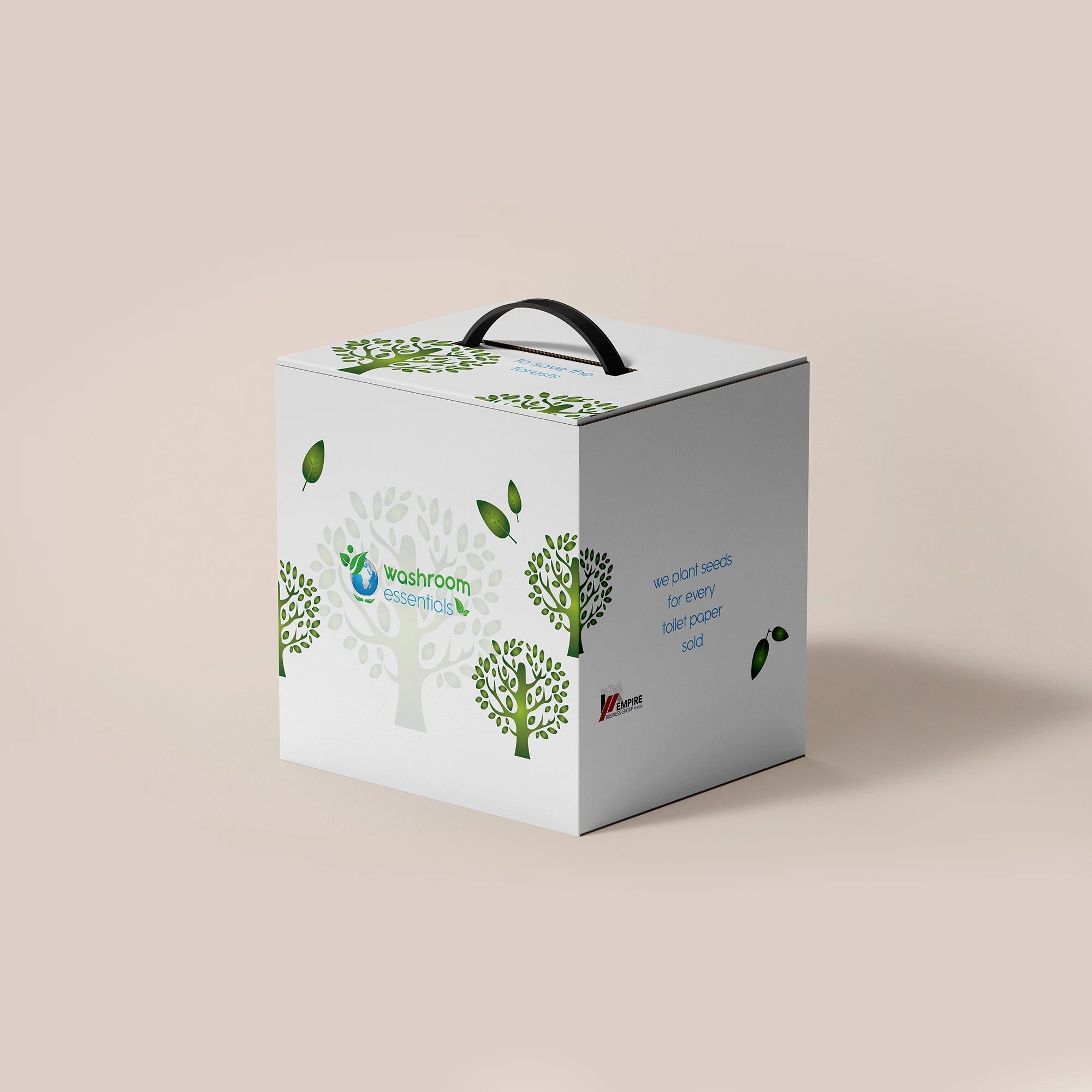
At Washroom Essentials, the aim is to make that routine purchase more purposeful, with quality paper products that support practical hygiene needs while reflecting a commitment to responsible materials and positive community impact.
Keep a box where people need it, choose a quality level that suits the space and store a sensible reserve. It is a small detail, but one that helps every room feel more comfortable, considered and ready for the day.