
Choosing Toilet Rolls for Home and Business
A bathroom can be spotless, well supplied and professionally maintained, yet still leave a poor impression when the toilet paper runs out halfway through the day. For households, workplaces and busy venues, choosing the right toilet rolls is less about grabbing the nearest pack and more about balancing comfort, supply reliability, cost and environmental impact.
The best choice depends on who is using the washroom, how often it is used and how it is stocked. A family bathroom has different needs to a café toilet, a serviced apartment or an office floor. Getting those details right reduces last-minute runs to the shops, avoids over-ordering and helps keep every washroom ready for use.
Start with how the washroom is used
Before comparing prices, consider traffic. In a low-use home bathroom, softness and roll size may matter most. In a larger household, a longer roll can mean fewer changeovers and less packaging over time. For commercial settings, consistency and easy replenishment tend to carry more weight.
Offices need rolls that suit the number of staff, visitors and available storage. Hospitality venues need a dependable product that feels considered for guests but can handle frequent use. Cleaners and facilities teams often benefit most from standardising supplies across multiple sites, making ordering and restocking easier.
There is no single “best” toilet roll for every setting. A premium, soft roll may be the right call for a hotel room or guest bathroom, while a strong recycled jumbo roll may make more commercial sense in a high-traffic public washroom. The practical question is whether the product delivers the experience and capacity the space requires.
Toilet rolls: what quality really means
Quality is not simply about how thick a roll feels in the hand. It comes from several details working together: ply, sheet strength, softness, absorbency, roll length and how reliably the paper separates during use.
Ply and comfort
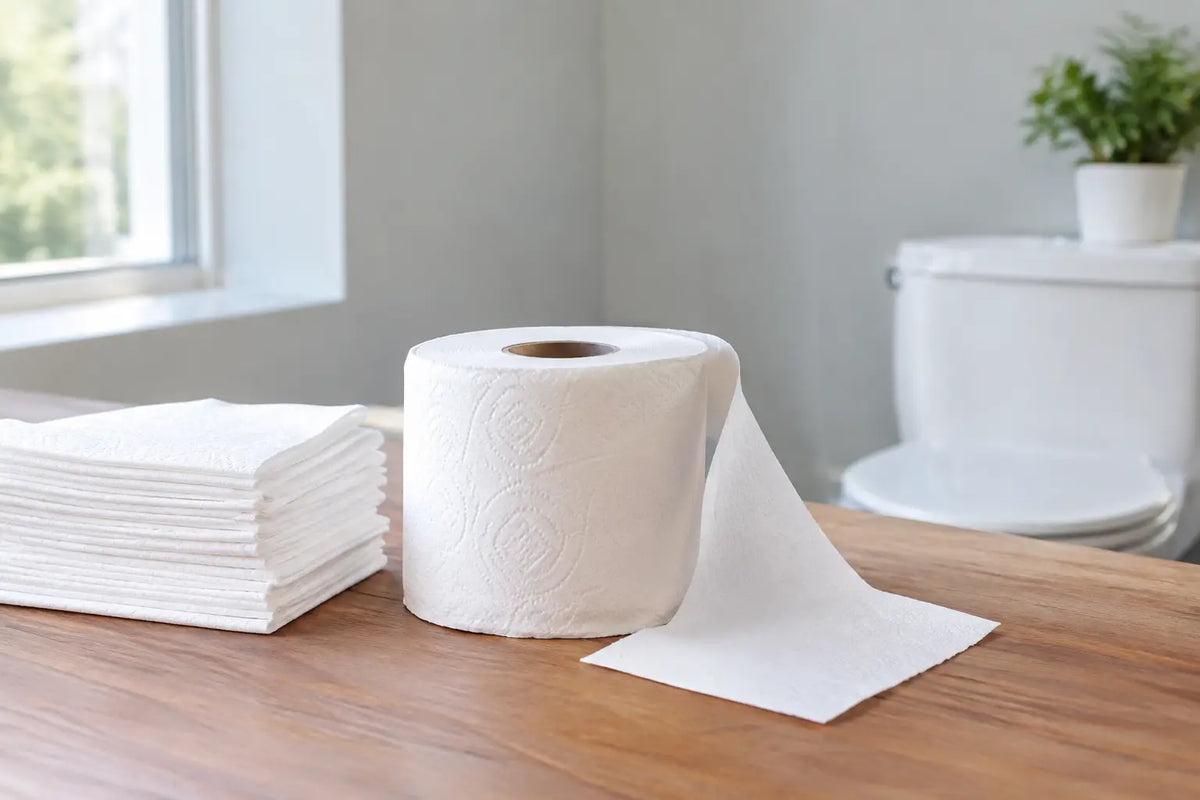
Ply refers to the number of paper layers bonded together. Two-ply toilet paper is a popular all-round choice because it provides a comfortable feel with enough strength for everyday use. Three-ply products can offer a more premium, hotel-quality experience, particularly in guest-facing bathrooms where comfort is part of the overall standard.
Single-ply rolls may appear economical at first glance, but users often need more sheets to get the same result. That can reduce the apparent saving, especially in a busy workplace. This is why comparing packs by price alone can be misleading.
Sheet count and roll length
A larger roll does not always mean better value, but it often means fewer replacements. Look at the total sheet count, sheet size and metres per roll where that information is available. These measures give a clearer picture of how long the supply is likely to last.
For facilities teams, fewer changeovers can save meaningful time across a week. For households, larger packs or cartons can reduce the hassle of running out at inconvenient moments. The trade-off is storage, so measure your cupboard space or storeroom before committing to a bulky carton.
Strength and absorbency
Paper that breaks down appropriately after use is essential, but it should still be strong enough to perform well in the hand. Good toilet paper combines absorbency with dependable strength, so people can use less without sacrificing comfort or hygiene.
This balance is especially valuable in plumbing-sensitive buildings, older properties and venues with frequent toilet use. Avoid assuming that a thicker product is automatically unsuitable for the system. Product construction, responsible use and the building’s plumbing all play a part.
Choose the right format for your dispenser
A toilet roll only performs as intended when it fits the holder or dispenser. Standard rolls suit most household holders and many smaller workplace bathrooms. Jumbo rolls are designed for commercial dispensers and can be a sensible choice in locations where replacing paper during service is difficult or disruptive.
Centrefeed-style systems and specialised dispensers may have their own size requirements. Check the core diameter, roll width and maximum roll size before placing a bulk order. This small check prevents the frustrating situation of having perfectly good stock that does not fit the existing equipment.
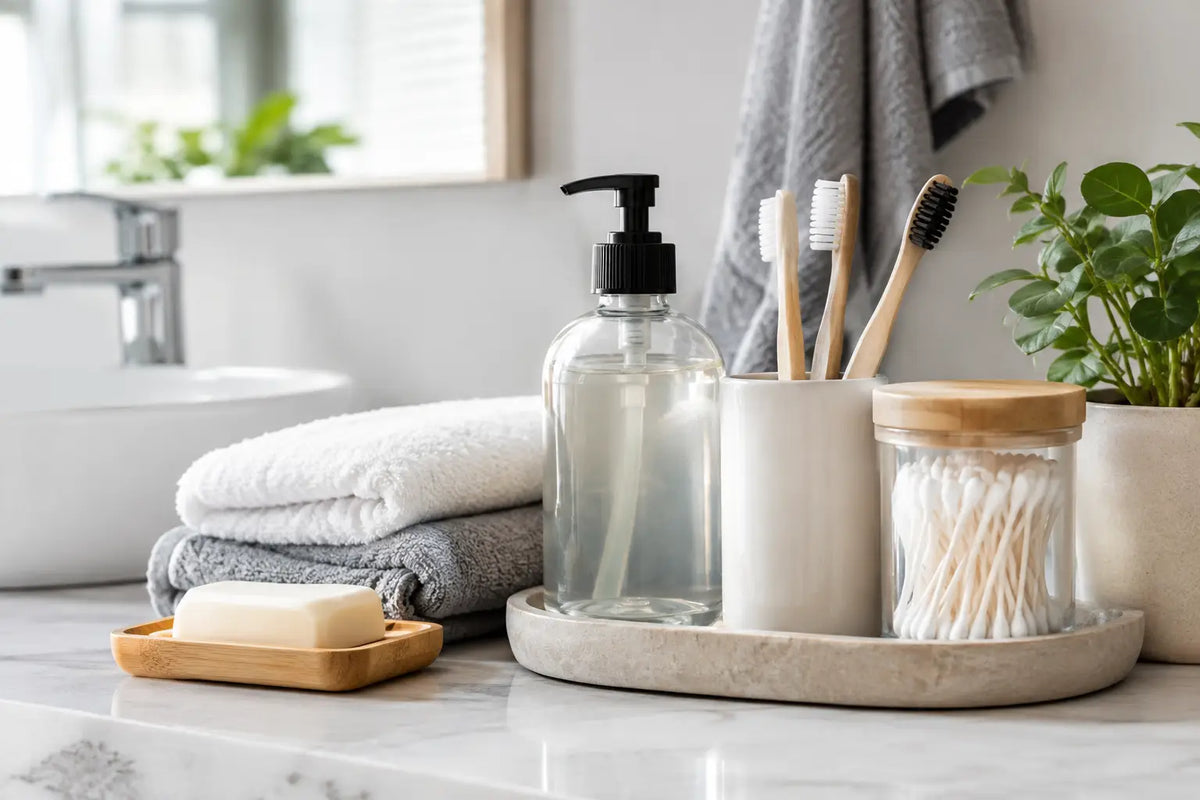
For public-facing washrooms, enclosed dispensers can also help protect paper from splashes, reduce waste and make stock levels easier to manage. In a premium setting, dispenser appearance matters too. A clean, well-maintained dispenser supports the same message as a fresh hand towel and a tidy vanity: the space is cared for.
Buying in bulk without buying the wrong amount
Carton buying is often the most practical option for regular users. It can lower the cost per roll, reduce repeat ordering and provide a buffer when supplier availability changes. For offices, venues, cleaners and property managers, that predictability is often worth more than a marginal saving on a small supermarket pack.
Still, bulk ordering should match actual consumption. Start by tracking how many rolls are used over two to four weeks, then allow extra stock for busy periods, events or school holidays. A restaurant near a sporting venue may see a sharp weekend increase, while an office may use far less paper during holiday shutdowns.
A sensible stock level is enough to cover normal use plus a reserve, without filling every shelf with paper. Rotate older cartons forward as new stock arrives and keep products dry, clean and away from areas prone to leaks. Paper supplies are straightforward, but poor storage can quickly undermine their quality.
Lower-impact toilet paper choices
Everyday washroom supplies create regular demand for fibre, packaging and transport. Choosing recycled, FSC-certified or bamboo toilet paper can help buyers make a more considered decision without compromising on daily performance.
Recycled toilet rolls use recovered paper fibre, helping to support a circular approach to paper products. FSC-certified options support responsible forest management and traceable sourcing. Bamboo is valued because it is fast-growing and can be used as an alternative fibre source. Each option has a place, and the right fit may depend on your organisation’s procurement goals, budget and customer expectations.
Environmental claims should be clear and meaningful. Look beyond a green-coloured wrapper and consider the product’s certification, fibre source, pack size and whether it will genuinely reduce waste in use. A roll that lasts longer and is used efficiently can be a better operational choice than a cheaper option that disappears quickly.
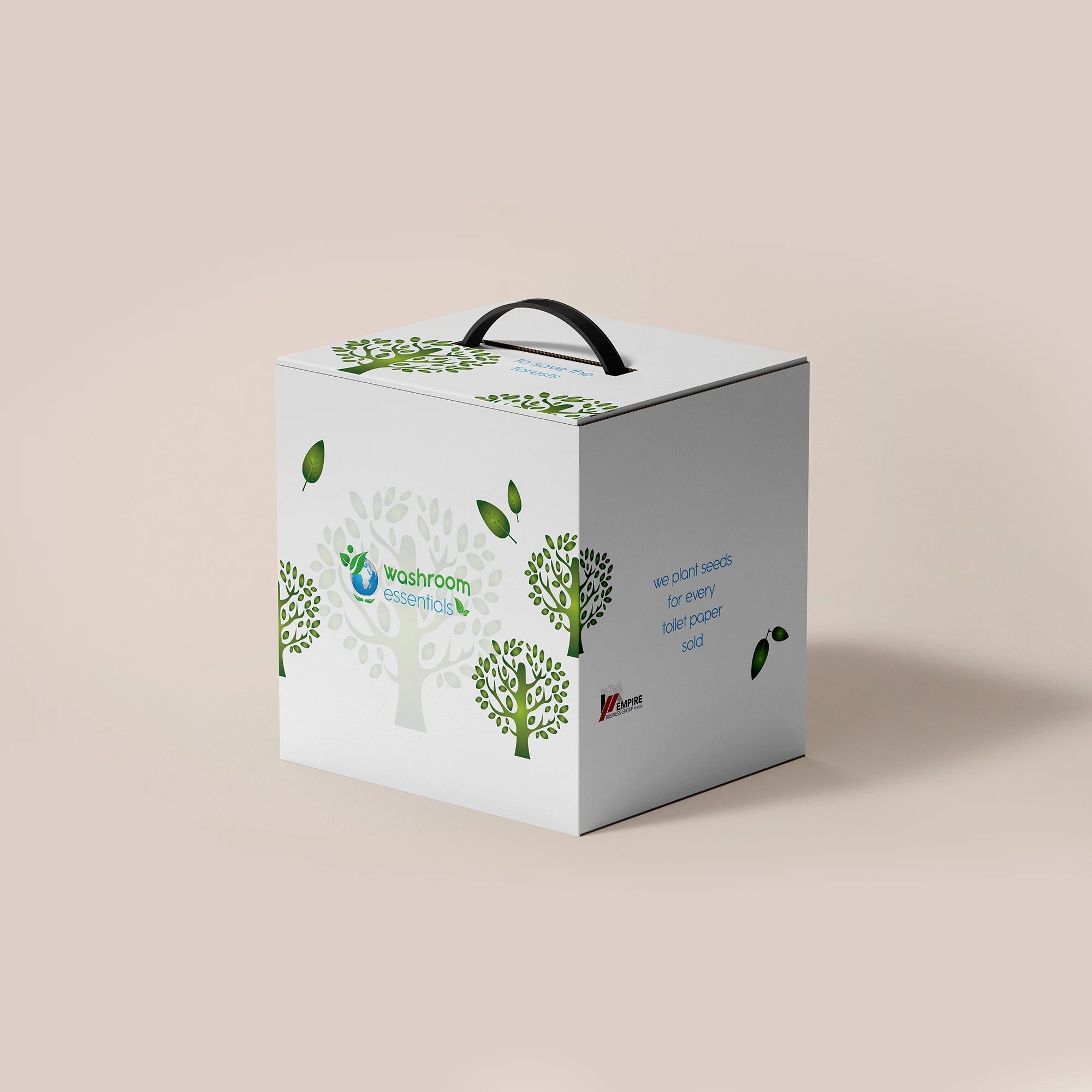
For many Australian buyers, sustainability is also about the broader impact of where they spend. Washroom Essentials pairs practical paper supply with environmentally certified product choices, tree planting and a commitment to donate 15% of profits to local communities. That means a routine restock can support standards that extend beyond the bathroom door.
Keep washrooms stocked with a simple routine
The most reliable washrooms are managed proactively, not when the last roll is already gone. In a household, a quick check before the weekly shop may be enough. In a commercial setting, assign stock checks to a regular cleaning schedule and record usage patterns over time.
Keep spare rolls where they are easy for staff to access but not exposed to moisture. For guest bathrooms and smaller offices, a neat reserve basket or cupboard is usually sufficient. In larger facilities, a labelled storeroom and clear reorder point make it easier for multiple team members to maintain supply.
It also helps to order compatible essentials together. Hand towels, facial tissues, soap and dispenser consumables all influence how well a washroom functions. Coordinating those purchases can reduce admin and make delivery planning more efficient.
A well-chosen toilet roll is a small detail with a visible effect. Select for the people using the space, buy enough to stay ahead of demand and choose materials that reflect the standards you want your home or organisation to stand for.