
Sustainable Bathroom Products Trends in 2026
A bathroom says a lot about how a home or business runs. When supplies are always on hand, products feel good to use, and waste stays under control, people notice. That is why sustainable bathroom products trends are no longer a niche interest. They are shaping everyday buying decisions across Australian households, offices, hospitality venues, and commercial sites.
What has changed is simple. Buyers still want value, hygiene, and reliable stock. They also want products that reduce environmental impact without creating more work or blowing out the budget. The strongest trends are the ones that make practical sense first, then deliver a clear sustainability benefit on top.
Sustainable bathroom products trends are becoming more practical
A few years ago, sustainable bathroom buying often meant compromise. Products could be expensive, inconsistent, or harder to source in bulk. That gap is shrinking fast. Today, the market is moving towards options that perform like premium everyday essentials while offering stronger environmental credentials.
This matters for both households and businesses. A family may want soft toilet paper made from recycled fibre or bamboo without paying a premium every week. An office manager needs cartons that arrive on time, fit existing dispensers, and keep staff amenities stocked. A hotel or venue wants quality that guests will notice, but also wants purchasing decisions that support broader sustainability goals.
The products gaining traction are the ones that solve those real-world needs. Buyers are not looking for sustainability in theory. They are looking for supply reliability, quality, and less waste.
Recycled and bamboo paper products are leading the shift
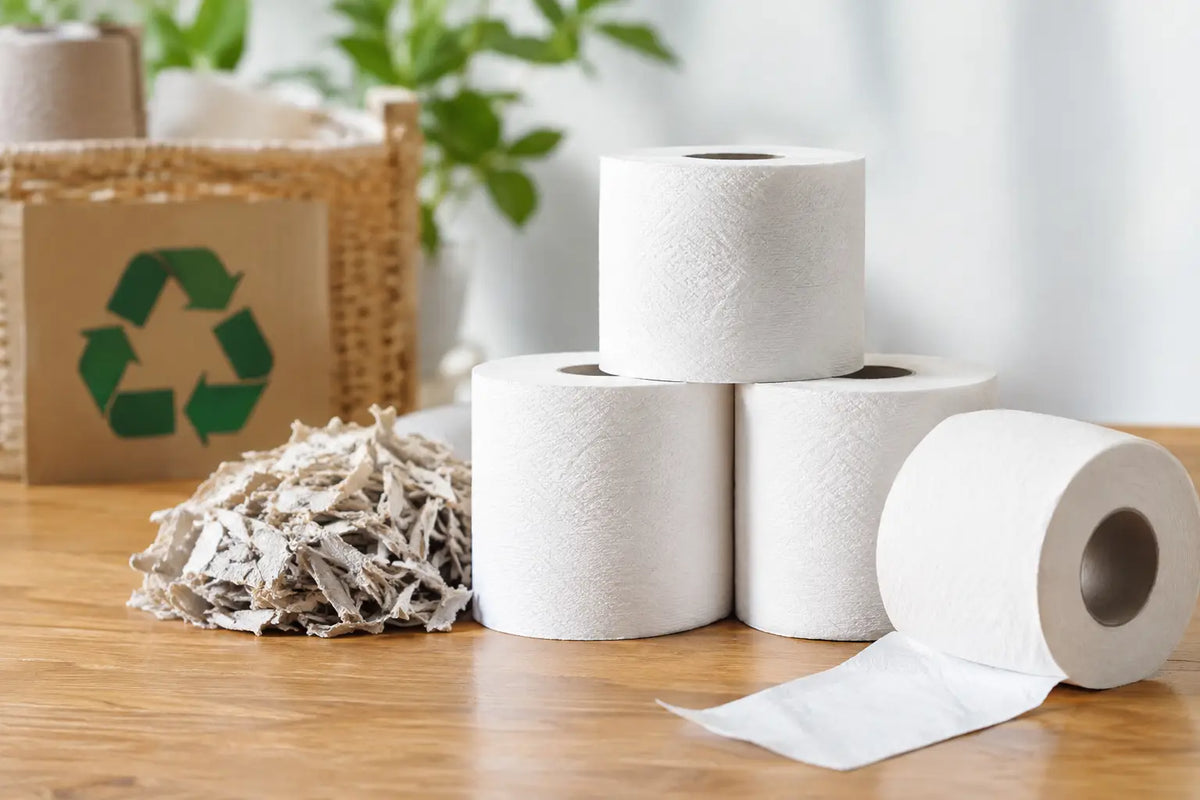
The clearest movement in the category is toward paper goods with a lower environmental footprint. Recycled toilet paper, FSC-certified tissue, and bamboo-based alternatives are now firmly in the mainstream.
Recycled fibre remains popular because it is familiar, widely understood, and often well suited to regular use in homes, workplaces, and public amenities. It gives buyers an easy way to reduce virgin pulp demand without changing routines. For many organisations, recycled paper also supports procurement policies or internal sustainability targets.
Bamboo continues to grow because it offers a strong environmental story and a premium feel when the product quality is right. Fast renewability is part of the appeal, but buyers still judge it on softness, strength, and price per roll or carton. That is the trade-off. Bamboo can be an excellent option, but only when it performs at the level people expect for daily use.
For most buyers, the choice between recycled and bamboo depends on use case. High-volume commercial washrooms may prioritise value and availability. Guest-facing spaces may lean toward softness and presentation. Many households now mix both, using one option for everyday value and another for premium bathrooms.
Buyers want certifications they can recognise
Green claims are everywhere, but trust comes from proof. One of the most important sustainable bathroom products trends is the move towards recognised environmental certifications and transparent sourcing.
Australian buyers are becoming more selective about what sustainability actually means. Terms like eco-friendly only go so far on their own. Products backed by certification, responsible forestry standards, or clear recycled content tend to carry more weight because they help purchasing teams and consumers compare options with more confidence.
This is especially relevant in commercial settings. Facilities managers, cleaners, and procurement teams often need to justify purchasing decisions. They want products that meet hygiene and budget requirements while supporting environmental reporting or ESG commitments. Clear certification makes that process easier.
For households, the benefit is simpler. It reduces the guesswork. If a product is certified and the quality is consistent, it becomes easier to reorder with confidence.
Bulk buying is being reframed as a sustainability choice
Bulk purchasing has always been about convenience and cost control, but it is increasingly seen as part of a more sustainable bathroom setup. Buying cartons instead of small packs can reduce packaging frequency, cut down repeat deliveries, and make it easier to avoid emergency top-up purchases.
That matters more than it might seem. Running out of essentials usually leads to rushed buying decisions, higher costs, and less control over product choice. Bulk ordering creates stability. For offices, hospitality venues, and cleaners managing multiple sites, that stability helps reduce procurement friction while keeping standards consistent.
There is an important balance here. Bulk only works when storage, usage rates, and product selection are aligned. Over-ordering can create its own waste if products are damaged, stored poorly, or bought in formats that do not match actual demand. The most effective approach is not simply buying more. It is buying the right quantity, in the right format, on a repeatable schedule.
Better dispensers and controlled usage are gaining attention
Sustainability is not only about what products are made from. It is also about how efficiently they are used. That is why dispenser systems and controlled dispensing are becoming a bigger part of the conversation.
In commercial bathrooms, paper waste often comes from overuse rather than poor product choice. A quality hand towel or toilet tissue can still be wasted if the dispensing system encourages people to pull more than they need. Modern dispensers help reduce unnecessary consumption, keep products cleaner, and support a tidier washroom overall.
For businesses, this trend is practical as much as environmental. Lower paper waste can mean fewer refills, more predictable ordering, and lower overall consumption. For customers and staff, it improves presentation and hygiene.
This is one area where the cheapest option is not always the most cost-effective. A low-cost paper product paired with poor dispensing can drive up usage rates. A better-matched system may cost more upfront but deliver stronger value over time.
Premium feel still matters
One of the biggest shifts in the market is that sustainability is no longer expected to look or feel basic. Buyers increasingly want environmentally responsible products that still deliver comfort, appearance, and reliability.
That is especially true in guest-facing bathrooms. Hotels, short-stay accommodation, offices, and hospitality venues know that washroom quality shapes perception. Thin, rough, or poorly presented paper products can make a space feel underdone, even if the rest of the venue is well maintained.
As a result, hotel-quality sustainable ranges are gaining traction. The appeal is straightforward. Buyers want products that align with their values without lowering the standard of the experience. In many cases, premium sustainable options help businesses protect brand presentation while making more responsible purchasing decisions.
Local impact is becoming part of product value
Price and performance still lead the decision, but more buyers now care about what sits behind the purchase. They are looking at business values, delivery models, environmental commitments, and community impact.
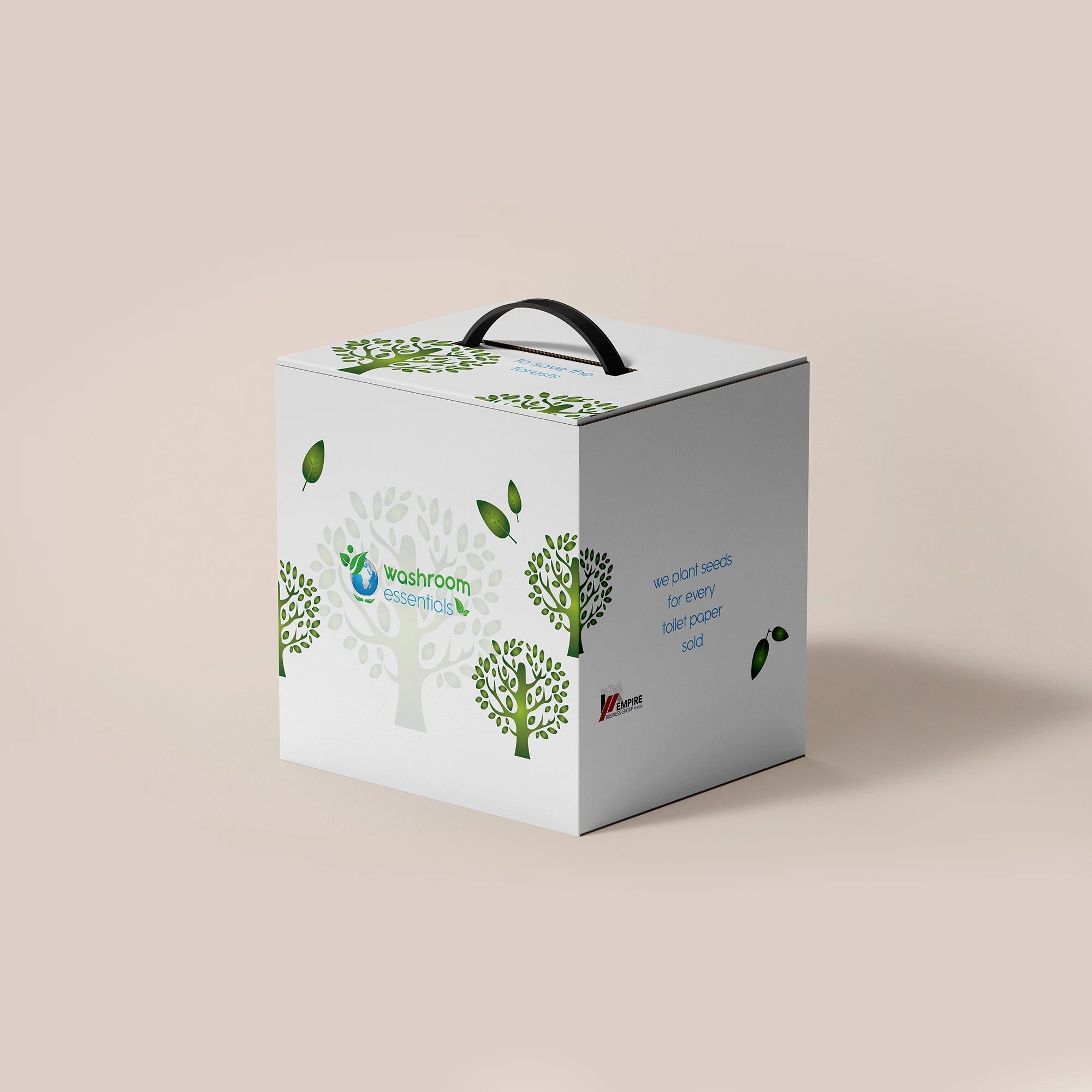
This trend is particularly strong when the product itself is a repeat-purchase essential. If you are ordering toilet paper, tissues, or hand towels every month, the supplier relationship matters. Buyers increasingly prefer businesses that combine dependable service with visible action, whether that means tree planting, lower-impact sourcing, or donations to local communities.
For many customers, this does not replace commercial logic. It strengthens it. If the product quality is there, stock is reliable, and the pricing is fair, the added social and environmental contribution becomes a meaningful differentiator.
What Australian buyers should watch next
The next phase of sustainable bathroom products trends will likely be less about dramatic new materials and more about smarter systems. Buyers can expect continued growth in certified fibre products, stronger bamboo offerings, and more refined premium recycled ranges. Packaging reduction will matter more, especially where bulk supply can reduce waste without affecting convenience.
There is also likely to be more scrutiny around claims. Buyers are asking better questions now. Where is the fibre sourced from? Is the product genuinely recycled or just lightly modified? Does the packaging support the sustainability message, or work against it? These are sensible questions, and they should shape purchasing decisions.
For commercial customers, the biggest opportunity is to look at the whole setup rather than one line item. Paper quality, carton size, dispenser fit, stock consistency, and delivery frequency all affect cost and waste. For households, the smart move is often simpler - choose products you are happy to use every day, buy in quantities that make sense, and stick with suppliers that are clear about quality and sustainability.
At Washroom Essentials, that practical view matters. Everyday bathroom supplies should be easy to order, reliable to use, and better for the environment where it counts.
The strongest trend is not a single product. It is the shift towards buying bathroom essentials with more intention. When quality, convenience, and sustainability work together, better choices become easier to maintain - and that is where real change tends to stick.