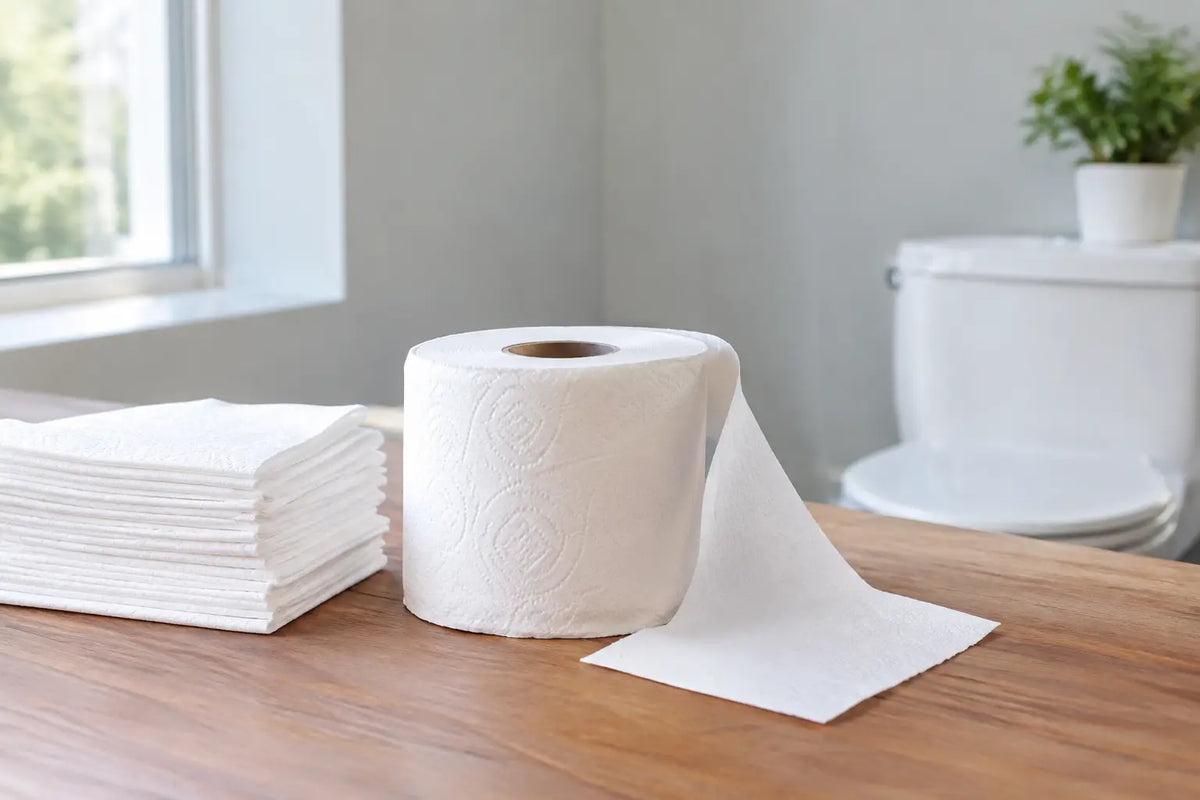

Bulk Toilet Paper That Actually Makes Sense
Running out of toilet paper is one of those small failures that creates outsized frustration. At home, it means an inconvenient last-minute shop. In an office, venue or shared facility, it reflects poorly on the whole operation. That is why bulk toilet paper is less about buying more for the sake of it and more about keeping an essential item sorted - reliably, affordably and with less effort.
For Australian households and businesses alike, buying in bulk can be the smarter way to manage washroom supplies. The catch is that not all products, pack sizes or paper types suit every setting. A family home, a cafe, a commercial office and a short-stay property all use toilet paper differently. The best choice depends on usage, storage space, quality expectations and whether sustainability matters in the purchasing decision.
Why bulk toilet paper works
The main appeal of bulk toilet paper is straightforward. It reduces the frequency of reordering, helps protect against stock gaps and often brings a better per-roll price than smaller supermarket packs. For high-use environments, that difference adds up quickly. Even for households, fewer top-up trips and fewer emergency purchases can make a noticeable difference over a year.
There is also a planning benefit that is easy to overlook. When toilet paper is purchased in cartons, procurement becomes simpler. Office managers spend less time remembering to reorder. Cleaners and facilities teams can maintain stock levels without scrambling. Hospitality operators can focus on guest experience rather than back-of-house shortages. A dependable supply of essentials keeps daily operations moving.
That does not mean the biggest carton is always the right buy. Bulk only delivers value when the product matches how the space is used. Buying low-cost rolls that disappear too quickly, feel too rough or do not fit dispensers can create more waste and more complaints than it solves.
Choosing bulk toilet paper for your space
The right product starts with one basic question: who is using the bathroom, and how often? In a home, comfort usually matters more. In a workplace or public setting, consistency, cost control and compatibility with dispensers may take priority. In hotels or accommodation, softness and presentation often carry more weight because they shape the guest experience.
Roll length is one of the first things to compare. Longer rolls can reduce changeovers and labour, which is useful in busy amenities. Standard household rolls may suit domestic bathrooms, while commercial settings often benefit from larger formats designed for frequent use. Ply also matters. Two-ply and three-ply products generally feel softer and more substantial, but the best option depends on budget and the expectations of users.
Paper composition deserves a closer look too. Virgin paper is often chosen for softness and brightness. Recycled toilet paper appeals to buyers wanting to lower environmental impact without compromising day-to-day practicality. Bamboo has become increasingly popular for the same reason - it offers a more renewable fibre source and can still deliver a premium feel when manufactured well. The point is not that one material is universally better. It depends on whether your priority is softness, environmental certification, price, or a balance of all three.
Bulk toilet paper for homes, offices and hospitality
Households usually buy bulk toilet paper to save money and avoid the weekly or fortnightly refill run. If storage is available in a linen cupboard, garage or laundry, carton buying is usually easy to manage. The better approach for home use is often to choose a product that feels good enough for everyday comfort, rather than chasing the absolute lowest unit price.
Offices tend to think differently. Here, reliability matters as much as feel. Staff expect washrooms to be stocked, but few workplaces need a premium boutique roll in every cubicle. The better fit is often a quality commercial-grade paper that balances comfort with value and reduces how often amenities need attention.
Hospitality sits in a different category again. Guests notice details, especially in accommodation and food service settings where presentation and cleanliness influence reviews. In these environments, toilet paper is part of the overall standard of care. A hotel-quality product can be worth the extra spend if it supports a better guest impression and reduces complaints.
For cleaners and facility managers, standardisation often makes the most sense. Using one or two dependable lines across multiple sites simplifies ordering, storage and staff training. It also makes it easier to predict usage and manage supply levels across the month.
Price matters, but so does value
Bulk buying is often framed as a cost-saving exercise, and that is true to a point. But the cheapest carton is not always the lowest-cost option in practice. If the paper is thin, used excessively, breaks down poorly or needs replacing more often, the apparent saving can disappear.
A better way to compare products is to look beyond the carton price. Consider sheet count, roll length, ply, how often rolls need to be changed, and whether the product suits the setting. A slightly higher-quality product may last longer, perform better and create less frustration for users and staff.
This is especially relevant for businesses trying to manage both hygiene standards and budget pressure. Buying smarter often means choosing a product that consistently does the job rather than switching between whatever seems cheapest at the time. Consistency supports better stock control and more predictable spending.
Sustainability is no longer a side issue
For many Australian buyers, sustainability has moved from a nice extra to a genuine purchasing factor. That is particularly true for organisations with environmental targets, customer-facing values or procurement policies that favour certified products.
Toilet paper is an everyday consumable, so the volume used across a year is significant. Choosing FSC-certified paper, recycled content or bamboo-based alternatives can reduce environmental impact without making the washroom harder to manage. The good news is that sustainable options are no longer limited to rough, low-grade products. Quality has improved, and many ranges now offer a strong balance of softness, strength and responsible sourcing.
There is also a broader commercial advantage. Customers, staff and guests increasingly notice whether a business takes practical sustainability seriously. Simple choices in the washroom can reinforce that message. For households, the decision is often just as direct - buy what you need, reduce unnecessary shopping trips and choose a product aligned with your values.
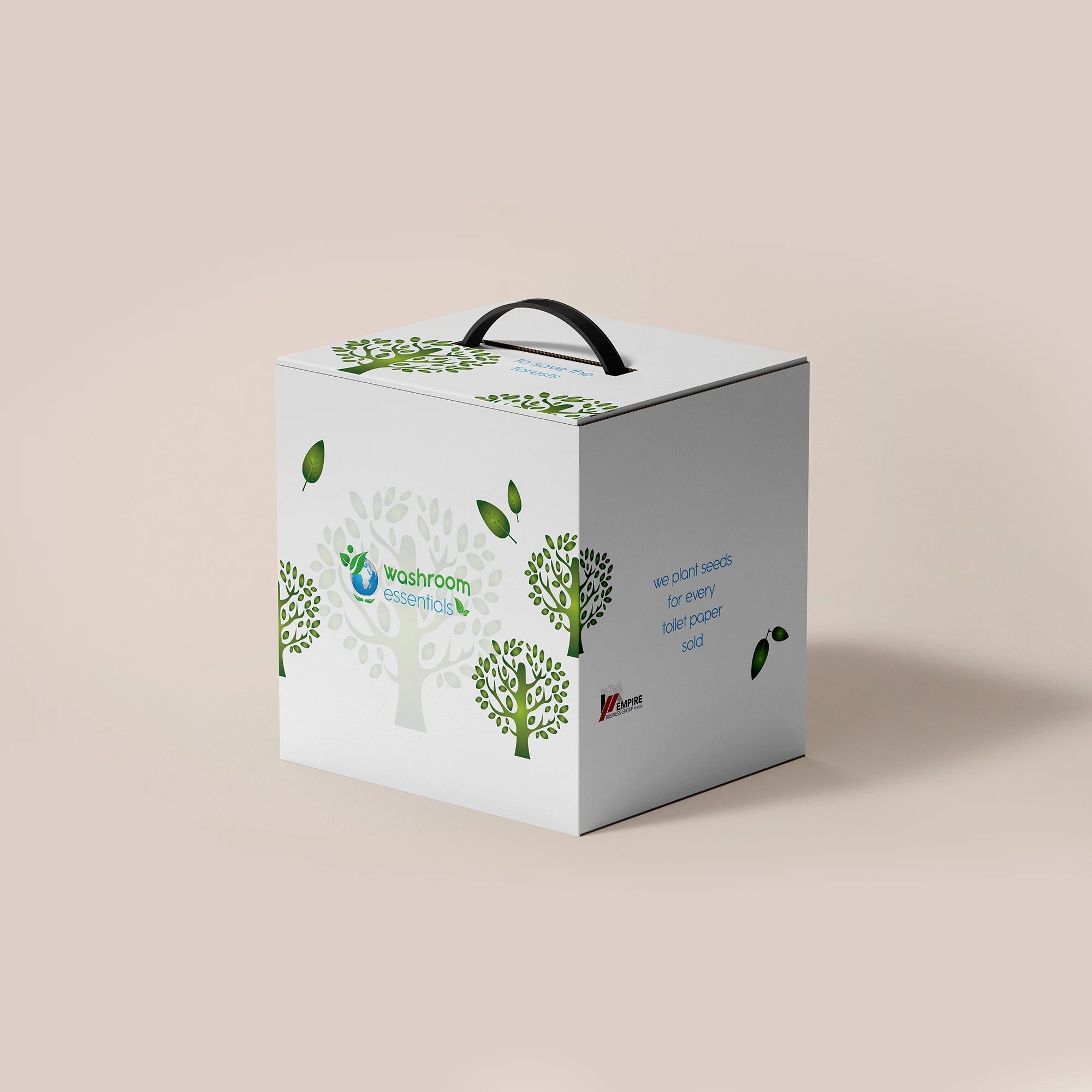
That practical, purpose-driven balance is where suppliers like Washroom Essentials fit well. Buyers want dependable supply, clear product options and the confidence that essential purchases can support better environmental and community outcomes at the same time.
Storage, delivery and reorder planning
One reason some buyers hesitate on bulk toilet paper is storage. That concern is fair. A carton only makes sense if you have somewhere clean and dry to keep it. For homes, that might be a spare cupboard or garage shelf. For businesses, it usually means allocating enough back-of-house storage to avoid clutter while still keeping reserve stock on hand.
Delivery also changes the equation. When bulk supplies can be ordered online and brought direct to the door, the inconvenience of transporting large packs disappears. That matters for busy households, but even more for offices, venues and commercial sites where time is limited and repeat purchasing is routine.
A sensible reorder rhythm helps too. Rather than waiting until the last few rolls are left, it is better to monitor usage and reorder before stock becomes urgent. Businesses with multiple bathrooms or heavy foot traffic benefit most from this approach, but it works just as well in larger households.
What a smart bulk buy looks like
A smart purchase is not simply the biggest carton at the lowest advertised price. It is the product that suits your users, fits your storage, aligns with your values and arrives when you need it. For some buyers, that means soft premium rolls for everyday home comfort. For others, it means commercial cartons that keep busy washrooms stocked without constant maintenance.
The strongest buying decisions usually come from asking practical questions. How quickly do you go through stock? Do you need standard rolls or dispenser-compatible options? Is sustainability a priority? Are you buying for family comfort, staff convenience or guest experience? Once those answers are clear, the right product tends to become obvious.
Toilet paper will never be the most glamorous line item in the budget, but it is one of the most consistently necessary. Getting it right saves time, reduces friction and keeps an essential part of daily life running properly. When bulk buying is done well, it feels less like stockpiling and more like common sense.