
Office Washroom Supply Checklist Example
Running out of toilet paper at 10:15 on a Tuesday tells you more about your workplace systems than most audits ever will. A practical office washroom supply checklist example helps you stay ahead of complaints, reduce emergency ordering and keep your amenities clean, presentable and ready for daily use. For office managers, cleaners and procurement teams, the goal is simple - never let essential stock become an afterthought.
Why an office washroom supply checklist example matters
A washroom is one of the few spaces every staff member notices, even if no one talks about it until something is missing. Empty dispensers, overflowing bins or poor-quality paper products create friction fast. They also signal a lack of care, which can affect staff experience and how visitors view your business.
The right checklist does more than list products. It gives you a repeatable way to forecast usage, align ordering with delivery schedules and avoid overbuying items that sit in storage. In larger offices, it also creates consistency between floors, tenancies or multiple sites.
There is a cost angle too. Last-minute purchases tend to be smaller, more expensive and less considered. A planned approach lets you buy carton quantities where it makes sense, standardise products across dispensers and choose quality options that last longer in use.
What to include in your office washroom supply checklist example
Your checklist should cover three areas: consumables, dispenser-related items and hygiene support products. The exact mix depends on office size, washroom traffic and whether the space includes showers, end-of-trip facilities or public access.
Core paper products
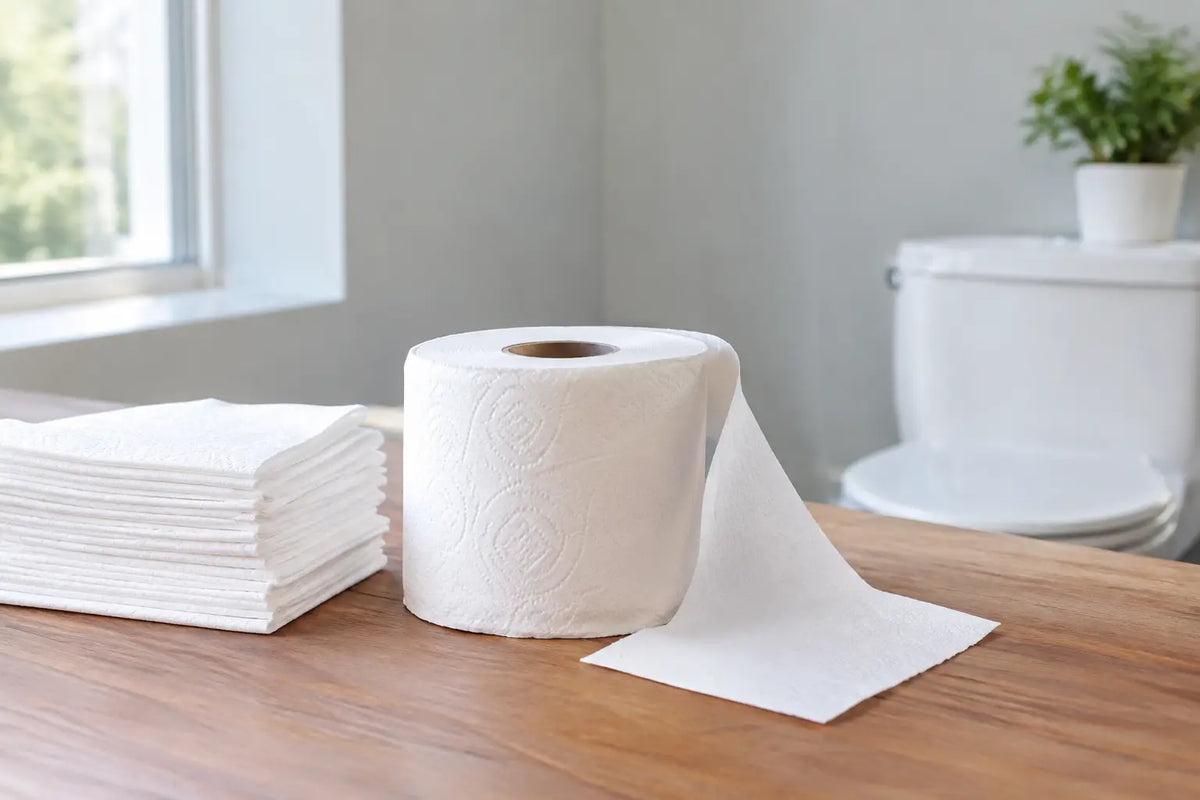
Most offices start with the basics: toilet paper, hand towels and facial tissues. These are the fastest-moving items, so they need the closest monitoring. If your washrooms use interleaved hand towels, make sure the towel format matches the dispenser. If you use jumbo toilet rolls, standard rolls will not help in a pinch.
Paper quality matters here. Very cheap stock can create false savings if it runs out quickly, causes dispenser jams or leaves a poor impression. Many businesses now prefer recycled or FSC-certified paper because it supports sustainability goals without sacrificing hygiene or day-to-day performance.
Soap and hand hygiene essentials
Hand soap is non-negotiable, but the type matters. Foam soap can reduce consumption in busy offices, while liquid soap may suit smaller amenities or existing dispensers. Add hand sanitiser if your workplace expects regular visitor traffic or has shared touchpoints near reception, meeting rooms or kitchen areas.
If your office provides premium amenities, you might also include moisturising hand wash or skin-friendly options for frequent use. That matters more than it seems in workplaces where staff wash their hands repeatedly throughout the day.
Waste and disposal supplies
Bin liners, sanitary disposal units and rubbish bags belong on every checklist, yet they are often treated as secondary items. They should not be. If liners run short, waste management becomes messy quickly and cleaning standards drop.
Female and accessible washrooms may also need sanitary bags and servicing arrangements for disposal units. In offices with baby change facilities, include nappy bin liners and surface wipes as part of the regular count.
Cleaning and maintenance support items
Even if cleaning is handled by an external contractor, your office should still track key backup products. Surface disinfectant, toilet cleaner, gloves, paper wipes and air freshening products can help bridge the gap between scheduled cleans.
This is where a checklist becomes practical rather than theoretical. If there is a spill, blocked toilet or high-traffic day, someone on site needs immediate access to the basics.
A simple checklist by category
Here is a workable office washroom supply checklist example for a typical Australian office:
- Toilet paper
- Hand towels
- Facial tissues
- Hand soap refills
- Hand sanitiser refills
- Bin liners
- Sanitary bags
- Surface disinfectant
- Toilet cleaning liquid
- Paper wipes or cleaning cloths
- Disposable gloves
- Air freshener refills
- Spare dispensers or dispenser keys
- Plunger and basic maintenance items
- Signage for cleaning or temporary closure
How much stock should you keep on hand?
This is where many checklists fall over. Listing products is easy. Setting the right stock level is harder.
As a starting point, keep at least two to four weeks of core consumables on site, depending on your delivery frequency and storage space. If you order in cartons and have dependable metro delivery, two weeks may be enough. If your office is regional, has irregular usage spikes or shares amenities with warehouse or workshop staff, a larger buffer is safer.
Usage patterns also change by season. End-of-year functions, flu season, visitor-heavy periods and school holiday staffing changes can all affect demand. A smart checklist is reviewed against actual use, not just assumptions made at the start of the year.
Build your checklist around dispenser compatibility
One of the most expensive mistakes in washroom ordering is buying the wrong refill for the dispenser on the wall. It sounds basic, but it happens often, especially across multiple sites or after a supplier change.
Record dispenser type, brand, refill format and location on the checklist. For example, note whether each washroom uses slimfold or interleaved hand towels, standard soap cartridges or bulk-fill dispensers, and single-roll or jumbo toilet tissue systems. This saves time for anyone placing orders and reduces waste from incompatible stock.
If your office is due for an amenities refresh, standardising dispensers can simplify purchasing significantly. It limits the number of SKUs you need to carry and makes stock transfers between washrooms much easier.
Don’t ignore sustainability when building the checklist
For many Australian workplaces, washroom supplies are now part of broader ESG or procurement policies. That does not mean paying more for every item. It means choosing products with clear value over the long term.
Recycled toilet paper, FSC-certified tissues, paper towels from responsibly sourced materials and efficient soap systems can all support a cleaner purchasing policy. The better question is not whether sustainability belongs on the checklist, but how to include it without creating supply headaches or budget blowouts.
Usually, the answer is to focus on dependable essentials first. Choose products that meet hygiene standards, suit your dispensers and offer environmental credentials where possible. A cause-led purchase only works if the stock performs reliably in a real office setting.
Who should own the checklist?
In smaller workplaces, this usually sits with the office manager or facilities contact. In larger businesses, responsibility may be shared between procurement, cleaners, site supervisors and reception teams. Shared responsibility can work well, but only if one person owns the final reorder decision.
Without clear ownership, low stock gets noticed by everyone and acted on by no one. The best process is simple: one person checks levels, one person approves replenishment and one supplier delivers consistently.
If you are buying online, it helps to keep preferred products documented and reorder quantities standardised. That shortens decision time and reduces the chance of switching to poorer alternatives under pressure.
How often should you review the checklist?
A monthly review is enough for many offices, but weekly checks are better for high-traffic sites. If your washrooms are used by visitors, contractors or shared building occupants, weekly checks will usually prevent most problems before they become obvious.
The checklist itself should be reviewed every quarter. Staff numbers change, office attendance shifts and supply needs move with them. What worked during hybrid work patterns may no longer suit a busier office.
This is also a good time to look at product quality. If hand towels are overused, soap runs out too quickly or toilet paper complaints keep surfacing, the issue may not be quantity. It may be the product selection.
A checklist should make ordering easier, not longer
The best office washroom supply checklist example is not a giant spreadsheet no one wants to open. It is a practical working document that helps you order the right products, in the right quantities, at the right time.
That means keeping it specific, current and tied to real usage. It also means choosing dependable supply partners who can deliver quality stock without adding complexity. For many workplaces, that comes down to a straightforward mix of hygiene essentials, sensible carton quantities and products that support both presentation and environmental responsibility.
If your washroom ordering still relies on someone noticing an empty dispenser, the checklist is overdue. A cleaner, better-stocked office usually starts with one simple habit: treating everyday essentials like they matter.