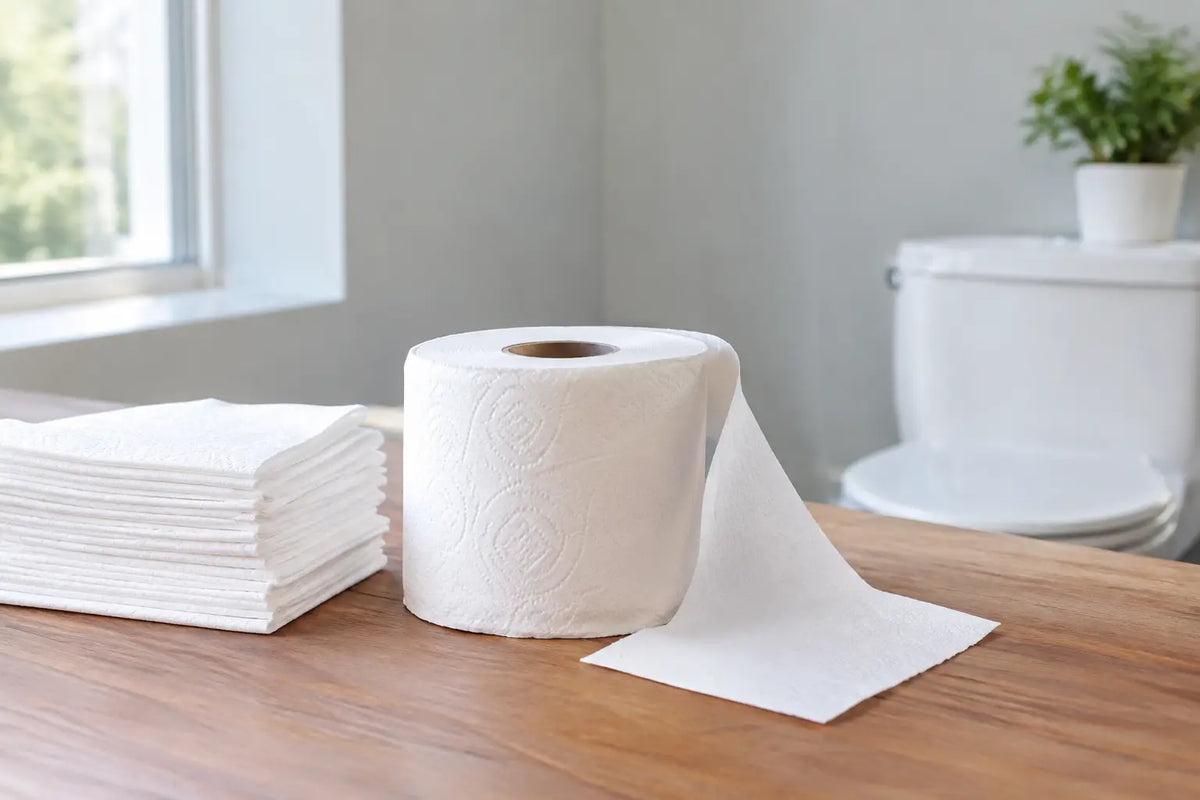

Eco Friendly Toilet Paper That Makes Sense
Running out of toilet paper is annoying. Ordering the wrong kind in bulk is expensive. That is why eco-friendly toilet paper matters - not just as a sustainability choice, but as a practical purchasing decision for homes, offices, hospitality venues and commercial bathrooms that need reliable stock, consistent quality and sensible value.
For many buyers, the challenge is not whether to choose a more sustainable option. It is working out which products actually perform well, suit the budget and hold up in daily use. Softness, strength, roll length, packaging, certifications and delivery all matter. The best choice is usually the one that reduces environmental impact without creating problems in the washroom.
What eco-friendly toilet paper really means
Not all toilet paper marketed as sustainable is equal. In practical terms, eco-friendly toilet paper usually refers to products made from recycled fibre, bamboo, or responsibly sourced virgin pulp with recognised environmental certification. It may also come in recyclable or reduced plastic packaging and be backed by broader initiatives such as tree planting or carbon-conscious operations.
The material is only part of the story. A product can sound green on the label but still disappoint if the rolls are too small, the paper is too thin or the supply is inconsistent. For households, that means more frequent reordering. For businesses, it means complaints, wasted time and avoidable procurement friction.
That is why the smarter way to assess toilet paper is to look at the full picture - source material, quality, price per roll or per sheet, and how well it suits the setting where it will be used.
Recycled, bamboo or FSC-certified?
Each option has strengths, and the right fit depends on what you value most.
Recycled toilet paper
Recycled toilet paper is often the clearest sustainability choice because it gives existing fibre another use and can reduce demand for virgin pulp. For offices, schools, public amenities and many households, recycled paper offers a strong balance of environmental benefit and everyday performance.
The trade-off is that quality can vary more between products. Some recycled options are surprisingly soft and absorbent. Others feel rough or break down too quickly. If you are buying for shared bathrooms, consistency matters more than marketing claims.
Bamboo toilet paper
Bamboo has become popular for good reason. It is a fast-growing renewable resource and, when processed well, can produce soft, durable toilet paper that feels more premium than some recycled ranges. It can be a strong option for homes, boutique accommodation and workplaces that want sustainability without giving up comfort.
The main consideration is cost. Bamboo products are often priced higher, particularly in smaller pack sizes. For some buyers that premium is worth it. For others, especially those ordering high volumes, a quality recycled product may make better commercial sense.
FSC-certified virgin pulp
FSC-certified paper comes from responsibly managed forests and can be a sensible middle ground for buyers who prioritise softness, appearance and dependable performance. In hospitality and higher-end commercial settings, this can be important. Guests notice paper quality, and poor-quality stock can reflect badly on the venue.
This option is not always the lowest-impact choice compared with recycled content, but certification does give buyers more confidence that sourcing standards are being taken seriously.
How to choose eco-friendly toilet paper for different settings
The biggest mistake buyers make is assuming one product suits every washroom. It rarely does.
For households
At home, comfort tends to matter more. Most people want a product that feels soft, lasts well and does not clog plumbing or disintegrate too easily. If storage space is limited, larger bulk cartons may not be practical even if the unit price is better.
A bamboo or premium recycled option often works well here. The aim is to find a product you are happy to use every day, because the most sustainable purchase is one you will actually stick with.
For offices
Office buyers usually need a balance of cost control and reliable quality. Staff expect a clean, comfortable washroom, but procurement also needs predictable supply and easy repeat ordering. In this setting, strong recycled toilet paper in bulk cartons is often the most efficient choice.
Roll size matters too. Larger rolls can reduce changeovers and save staff time, especially in busy amenities.
For hospitality and accommodation
Hotels, short-stay properties, cafés and restaurants often need a more polished finish. Guests notice the details. A rough or flimsy toilet paper can undermine an otherwise high-quality bathroom experience.
This is where hotel-quality recycled or FSC-certified products can make sense. The right product supports presentation, comfort and sustainability messaging all at once.
For commercial facilities and cleaners
For property managers and cleaning teams, reliability is the priority. Stock outages create complaints quickly, and inconsistent product quality can lead to overuse. A thinner sheet that gets used twice as fast is not necessarily cheaper.
Bulk supply, dependable stock availability and simple ordering are often just as important as the fibre source. Sustainable purchasing works best when it also makes operations easier.
The quality checks that matter most
If you are comparing products, avoid relying on one claim alone. A better way is to look at how the product performs across several practical points.
Softness and strength should sit together. Paper that is soft but tears too easily tends to be overused. Paper that is strong but coarse will not be well received, especially in homes or guest-facing settings.
Roll yield matters more than pack size. A carton may look cheaper at first glance, but shorter rolls can mean you are replacing them more often. For businesses, this affects both cost and labour.
Compatibility is another factor buyers sometimes miss. If you use dispensers, the core size and roll dimensions need to match. Even an excellent product creates hassle if it does not fit the existing setup.
Finally, look for recognised environmental certifications rather than vague green language. Clear standards give more confidence that the product aligns with responsible sourcing or recycled content claims.
Is eco-friendly toilet paper more expensive?
Sometimes, yes. But not always in the way buyers expect.
The shelf price can be higher for bamboo or premium certified products, particularly in smaller retail packs. Yet bulk ordering often narrows the gap considerably. When you factor in roll length, sheet count and reduced reordering, the total cost can be more competitive than it first appears.
There is also the question of value beyond the carton. For businesses, sustainable purchasing can support internal ESG goals, tenant expectations, guest experience and procurement standards. For households, it can simply mean buying a product that aligns better with your values without sacrificing convenience.
Low price still matters. But if the cheapest option performs poorly, creates excess waste or needs replacing more often, it may not be the best-value choice.
Why supply and delivery matter as much as the product
Toilet paper is not a once-off purchase. It is a recurring essential. That changes how smart buyers choose suppliers.
A good eco-friendly toilet paper range should be backed by dependable stock levels, practical carton sizes and direct delivery that takes the friction out of reordering. This is especially important for offices, venues and facilities managing multiple bathrooms, where a missed order can turn into an immediate operational problem.
That is also why many Australian buyers prefer ordering through specialist suppliers rather than adding paper goods as an afterthought elsewhere. A focused supplier is more likely to understand washroom usage, commercial quantities and the balance between quality, price and sustainability.
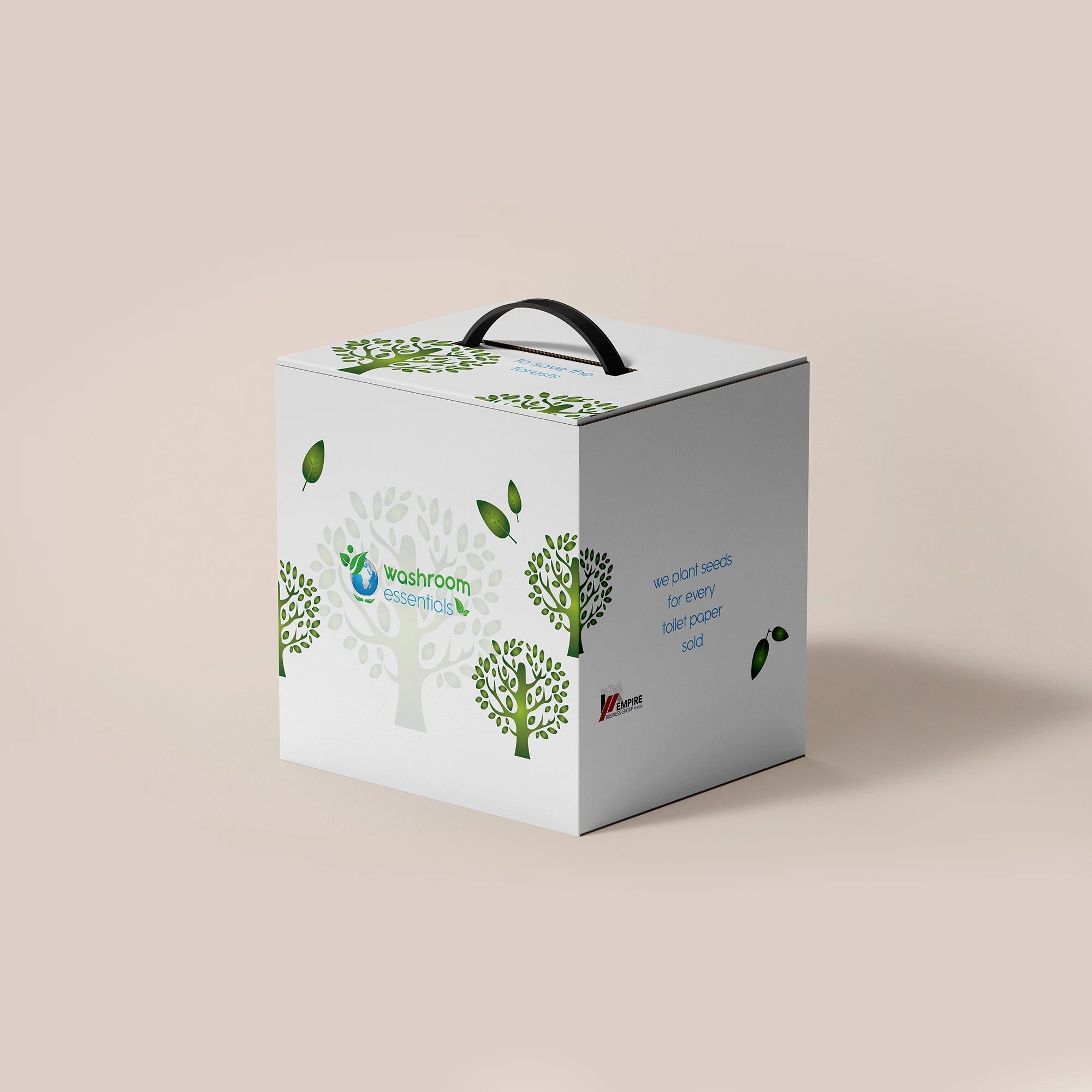
For customers who want those factors in one place, Washroom Essentials positions eco-conscious paper products as part of a broader washroom supply solution - practical, quality-led and built for repeat purchasing.
The best choice is the one you can keep buying
There is no single perfect toilet paper for every buyer. A household may prefer softer bamboo. An office may get better value from recycled bulk rolls. A hospitality venue may choose certified premium paper to protect the guest experience. The common thread is that eco-friendly toilet paper works best when it fits the real demands of the space.
A sensible purchase should do three things well: keep the bathroom stocked, meet day-to-day quality expectations and reduce environmental impact in a meaningful way. When those boxes are ticked, sustainability stops being a compromise and starts looking like good procurement.
If you are reviewing your current supply, start with the basics - what gets used, how often it gets replaced and where quality complaints come from. The best upgrade is usually the one that solves those issues while doing better by the environment at the same time.