
How to Choose Ethically Sourced Toilet Tissues
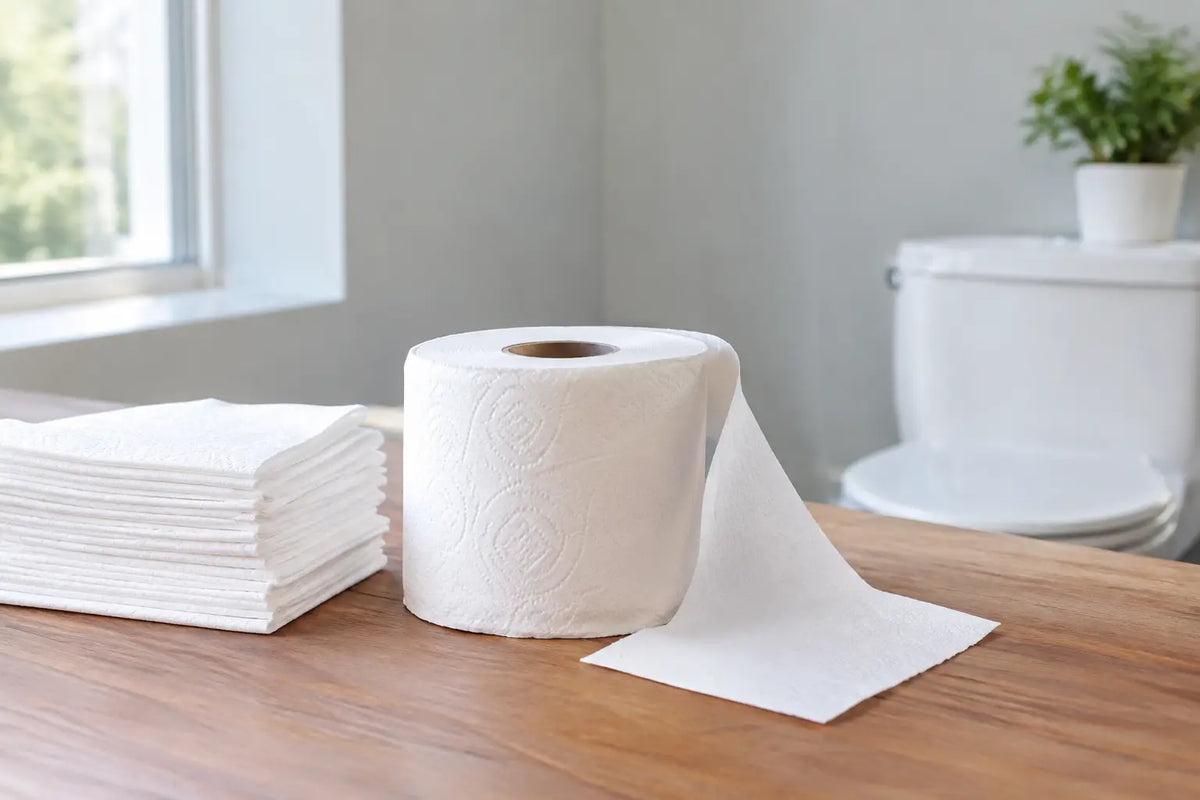
A carton of toilet paper rarely gets much attention until it runs low, the quality disappoints, or someone in the office asks whether the product is actually sustainable. That is usually the moment ethically sourced toilet tissues stop sounding like a nice extra and start looking like a practical purchasing decision.
For households, workplaces, hospitality venues and commercial sites, toilet tissue is not a once-off buy. It is a recurring essential. That means the sourcing behind it matters more than many people realise. If a product is used every day, bought in volume and replaced often, the impact of choosing better materials and better supply partners adds up quickly.
What ethically sourced toilet tissues really mean
Ethically sourced toilet tissues are paper products made with consideration for environmental impact, responsible forestry, manufacturing standards and, in many cases, broader social outcomes. The phrase can cover a few different things, so it helps to separate marketing language from meaningful proof.
In practical terms, ethical sourcing often starts with the raw material. That may mean responsibly managed virgin fibre, recycled paper, bamboo, or a blend designed to reduce pressure on native forests. It can also include third-party certifications that confirm the fibre comes from managed sources rather than questionable supply chains.
But fibre is only one part of the story. Manufacturing processes matter too. Bleaching methods, water use, packaging choices and freight all influence how responsible a product really is. A tissue can look eco-friendly on the label while still falling short if there is no transparency behind it.
Why buyers are paying closer attention
For many Australian buyers, the shift is not driven by trends. It is driven by procurement common sense. If your business orders toilet tissue every month, choosing a more responsible option can support sustainability targets without disrupting daily operations. If you are buying for home, it is one of the easiest swaps to make because the product is already part of your regular shop.
There is also a reputational factor. Offices, schools, venues and accommodation providers are increasingly judged on the details. Guests and staff notice whether a business claims to care about sustainability but stocks products with no visible environmental credentials. The washroom is not the whole brand story, but it does say something about standards.
That said, ethical sourcing does not mean every buyer has to choose the same product. A small household may prioritise softness and recycled content. A busy hospitality venue may need strong roll performance, dependable stock availability and compatibility with dispensers. The right choice depends on use, budget and supply needs.
How to assess ethically sourced toilet tissues
The most reliable starting point is certification. Claims like green, natural or earth-friendly are easy to print on packaging. Independent certification is much harder to fake. For tissue products, buyers often look for FSC certification, which indicates the fibre comes from responsibly managed forests and controlled sources. Recycled content claims are also useful when they are clearly stated rather than vaguely implied.
Material choice is the next checkpoint. Recycled toilet tissue usually appeals to buyers trying to reduce virgin fibre use. Bamboo is another strong option because it grows quickly and is often positioned as a lower-impact alternative. Neither is automatically better in every case. Recycled products can vary in softness and appearance, while bamboo can differ in quality depending on how it is processed and blended.
Packaging deserves attention as well. Individually wrapped rolls may suit hygiene-sensitive settings, but they also increase packaging waste. Bulk cartons and more efficient packing formats often make more sense for offices, facilities and regular household ordering.
Then there is supplier transparency. A dependable supplier should be clear about certifications, material composition and product performance. If information is vague, overly polished or missing altogether, that is usually a sign to look closer.
Recycled, bamboo or virgin fibre - what is the better option?
There is no single answer, because performance and sustainability goals do not always line up perfectly.
Recycled toilet tissue is often the first choice for buyers focused on reducing demand for new fibre. It can be an excellent option for high-volume use, especially when the product still delivers acceptable softness and strength. Modern recycled tissue has improved significantly, but premium feel can still vary across ranges.
Bamboo tissue is popular because bamboo regenerates quickly and can produce soft, durable paper. For many buyers, it offers a strong middle ground between comfort and lower-impact fibre sourcing. The trade-off is that not all bamboo products are made equally, and pricing can sit above standard options depending on the range.
Responsibly sourced virgin fibre also has a place, particularly where softness, presentation and performance are priorities, such as hotels or premium amenities. If that fibre is certified and responsibly managed, it may still meet ethical purchasing standards. This is a good example of why ethical sourcing is not only about choosing the cheapest recycled option. It is about balancing responsible sourcing with the needs of the setting.
The commercial reality - quality still matters
Any toilet tissue, no matter how well positioned on sustainability, still has to do its job. For commercial buyers especially, poor-quality product creates complaints, waste and higher usage rates. If rolls break down too easily or users need more sheets each time, the product may not be cost-effective even if the unit price looks attractive.
That is why smart buyers assess total value rather than headline price alone. A hotel-quality tissue with certified materials may last longer, perform better and reduce replacement frequency. A bulk carton may also cut down ordering time and lower delivery frequency. Those operational gains matter just as much as the ethical claim on the label.
Reliable supply matters too. Running out of essential washroom stock is not just inconvenient. In workplaces and public-facing environments, it reflects badly on the business. Ethically sourced toilet tissues are only a practical choice if they are consistently available and easy to reorder.
What to ask before you buy
A few simple questions can save a lot of guesswork. Is the product certified by a recognised body such as FSC? Is it made from recycled paper, bamboo, certified virgin fibre or a blend? Is the softness and ply suitable for your environment? Will it fit your existing dispensers or storage setup? And is the supplier built to handle repeat orders without delays?
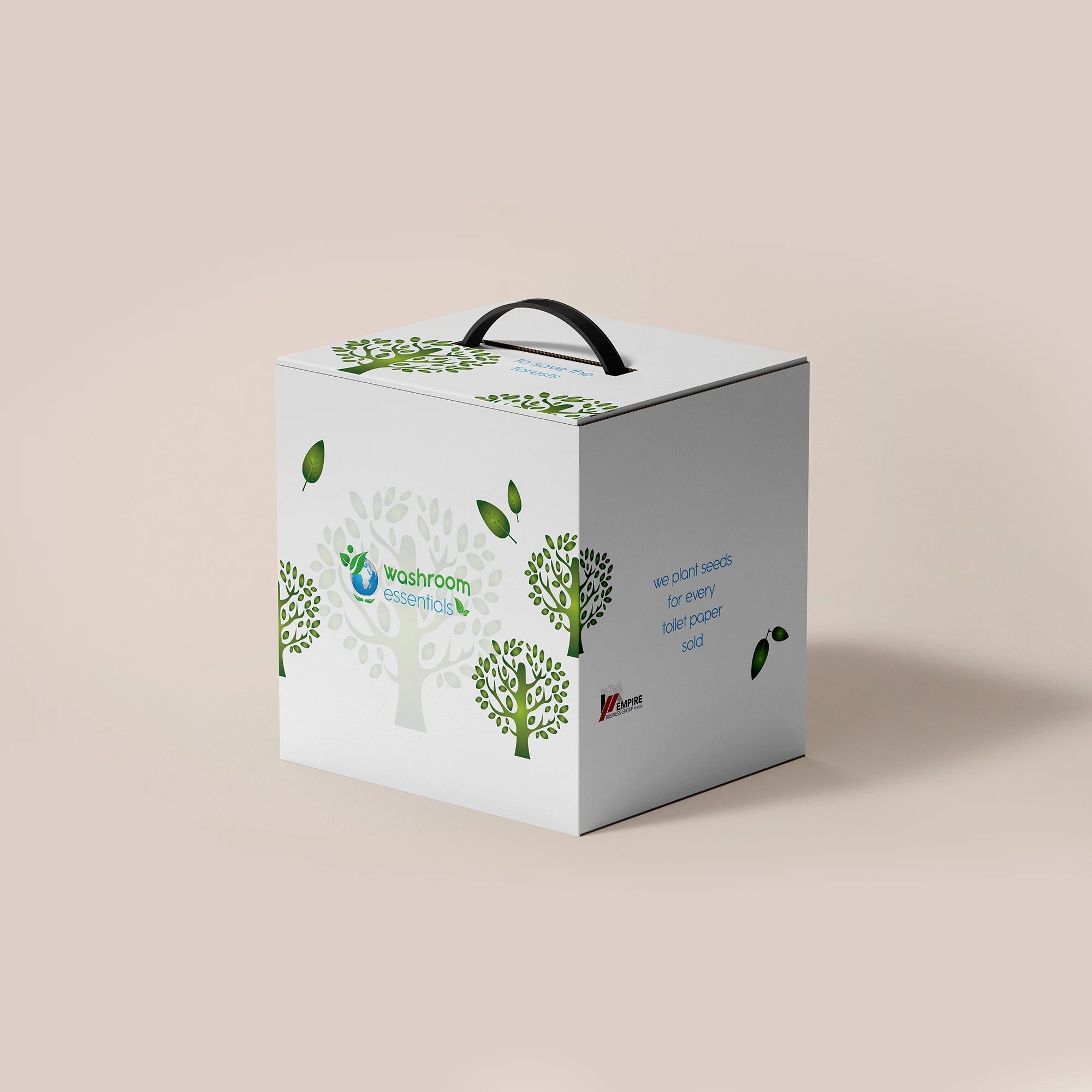
For some buyers, broader business values also matter. If a supplier supports tree planting, carbon-conscious operations or community giving, that can strengthen the case for purchase. It does not replace product quality, but it does show the business is thinking beyond the transaction.
This is where a practical retailer can make a real difference. A supplier that combines everyday stock reliability with environmentally certified ranges and a clear social commitment gives buyers a simpler path to responsible purchasing. That matters when the goal is not just to buy better once, but to keep buying better every month.
Ethically sourced toilet tissues for homes and workplaces
Home buyers often have more flexibility. If you are stocking your own bathroom, you can test different fibres and decide what feels right for your household. Many Australians are now comfortable choosing recycled or bamboo options if the product is soft enough and arrives in convenient carton quantities.
Workplaces and commercial sites need a more structured approach. Offices usually want a balance of comfort, cost control and easy storage. Hospitality venues may lean towards premium softness and presentation. Cleaners and facility managers often care most about dependable supply, dispenser compatibility and products that hold up under heavy traffic.
In each case, the ideal product is the one that meets day-to-day needs without cutting corners on sourcing. Ethical buying works best when it is easy to maintain.
A better standard for everyday essentials
Toilet tissue will never be the most glamorous line item in a household or procurement budget. But it is one of the clearest examples of how small, repeat purchases can reflect bigger standards. Choosing ethically sourced toilet tissues means looking for proof, weighing trade-offs and buying from suppliers that value both performance and responsibility.
When the product quality is dependable, the delivery is straightforward and the sourcing stands up to scrutiny, it stops being a compromise. It becomes a better way to keep the basics covered while making each order count for a little more.