
How to Organise Bathroom Consumables Well
A bathroom can look clean and still be poorly stocked. The moment a toilet roll runs out, hand towels disappear before a busy lunch service, or the last soap refill is used without a replacement nearby, the system has failed. Learning how to organise bathroom consumables means creating a simple routine that keeps essentials available, protects product quality and avoids unnecessary last-minute purchases.
For households, this may be a cupboard that works for everyone. For offices, accommodation venues, cleaners and facilities teams, it is a more deliberate stock system that supports hygiene, presentation and reliable service. The right approach is not about storing the biggest possible quantity. It is about holding the right products, in the right place, with a clear way to replenish them.
Start with what your bathroom actually uses
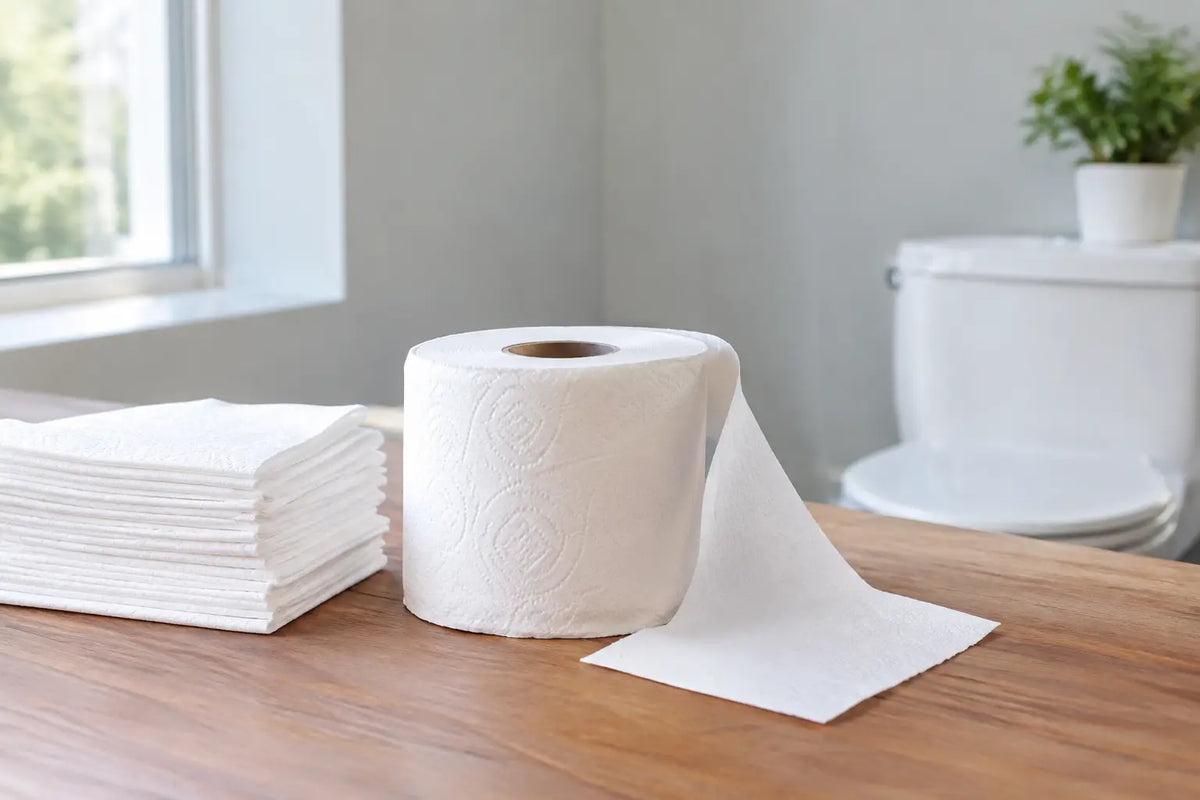
Before buying storage tubs or rearranging shelves, take stock of the consumables that move through the bathroom each week. Toilet paper, facial tissues, hand towels, soap refills, sanitary disposal supplies and cleaning products all have different usage rates. A guest ensuite may use very little, while a workplace washroom or café bathroom can go through paper products quickly.
Look at your previous orders, invoices or cleaning records where available. This gives a more useful picture than guessing. Consider visitor numbers, staff headcount, trading hours, the number of cubicles and whether the bathroom serves customers, guests or a small household.
It also helps to separate products into four practical groups:
- Daily-use items, such as toilet paper, hand towels and facial tissues
- Refill items, including soap cartridges, paper towel rolls and dispenser consumables
- Cleaning and hygiene supplies, such as gloves, wipes and toilet cleaner
- Reserve stock, held for busy periods, deliveries delays or unexpected demand
Choose storage spaces that suit the product
Bathroom consumables need a dry, clean storage area away from direct splashes and heavy humidity. A vanity cabinet may suit a small amount of everyday stock, but it is rarely the best home for a full carton of toilet paper or hand towels. Paper products can lose their shape and usability when stored in damp conditions, particularly in poorly ventilated bathrooms.
For homes, a linen cupboard, hallway cabinet, laundry shelf or dry garage storage area can work well. Keep one open pack of toilet paper and a modest backup in the bathroom, then store the rest elsewhere. This frees up valuable bathroom space and keeps the room looking considered rather than cluttered.
In commercial settings, a locked cleaner's cupboard, storeroom or dedicated washroom supply shelf is usually the better option. Place the products used most often between waist and shoulder height, where cleaners and staff can reach them without lifting awkward cartons. Reserve lower shelves for heavier bulk packs and cartons.
Clear, labelled containers can be useful for small loose items, but they are not essential for every product. Full packs of toilet paper, tissues and hand towels are often easier to manage in their original packaging. The key is visibility. If stock is hidden behind unrelated items, it will be forgotten until the bathroom is empty.
Keep a small service supply close by
The best storage system has two levels: bulk stock and ready-to-use stock. Bulk stock stays protected in the main storage area. A smaller service supply sits closer to the bathroom or cleaning trolley for quick refills.
For example, an office cleaner may keep a small caddy with toilet rolls, hand towel refills, tissues and soap supplies. A household might use a tidy basket in the linen cupboard for the same purpose. This reduces repeated trips back and forth to the storeroom and ensures refilling becomes part of a routine rather than a disruption.
Set sensible minimum stock levels
Running out is usually not caused by poor purchasing. It is caused by not knowing when to reorder. A minimum stock level gives you a clear trigger to place the next order before supplies become urgent.
Start with a realistic buffer. A household may choose to reorder when one unopened pack of toilet paper remains. A small office might reorder when it has two weeks of normal usage left. Hospitality venues and high-traffic facilities often need a larger buffer, particularly before long weekends, events or peak booking periods.
There is no single number that suits every bathroom. Buying in bulk can offer stronger value and reduce the frequency of deliveries, but only if there is enough dry storage space. Ordering too much can create clutter and make stock rotation harder. Ordering too little increases delivery pressure and can lead to substitute purchases that do not fit existing dispensers or quality expectations.
Write the minimum level on a shelf label, stock sheet or simple mobile note. For teams, make it visible to the person responsible for ordering. The system should not depend on one person remembering that the last carton was opened.
Rotate stock so older packs are used first
Paper consumables do not require complicated warehouse management, but basic stock rotation makes a noticeable difference. Put new cartons or packs behind existing stock and use the older products first. This is often called first in, first out.
Rotation keeps packaging clean, reduces the chance of forgotten products being damaged in storage and makes each delivery easier to put away. It matters most where several cartons are held at once, such as offices, hotels, strata properties and cleaning operations.
Avoid opening multiple packs of the same item unless there is a genuine operational reason. Open packs take up more room, look untidy and are more likely to be exposed to moisture or dust. Keep one active pack at the refill point, then open the next only when needed.
If product formats change, clearly separate old and new stock. This is particularly important for dispenser refills. Not all hand towel rolls, tissue types or soap cartridges are compatible with every dispenser, and mixing them can cause avoidable waste.
Make dispensers part of the organisation plan
A well-chosen dispenser does more than make a washroom look professional. It controls usage, keeps paper products protected and makes refill needs easier to spot. In busy bathrooms, loose rolls or stacks of paper towels can disappear quickly, become wet or create an untidy impression.
Match the dispenser capacity to the space. A compact household powder room may only need a simple toilet roll holder and tissue box. A workplace, restaurant or public-facing venue benefits from higher-capacity toilet roll and hand towel dispensers that reduce the number of refills required across the day.
Check dispensers on a schedule rather than waiting for complaints. For a low-use bathroom, a weekly check may be enough. High-traffic washrooms may need checks at opening, during service and before close. Include soap, hand drying and toilet paper in the same inspection so no part of the hygiene experience is missed.
Give every person a clear role
Organisation breaks down when responsibility is vague. In a home, decide who adds bathroom essentials to the shopping list and who puts bulk deliveries away. In a business, identify who checks supplies, who refills dispensers and who approves or places orders.
This does not need to become a complicated process. A short checklist inside the cleaner's cupboard or a recurring task on a shared calendar is often enough. What matters is consistency. A cleaner should be able to report low stock immediately, and the person ordering should know the preferred product range, required quantities and storage limits.
For multi-site businesses or property managers, standardising products across locations can simplify the process further. Using the same toilet paper format, hand towel type and compatible dispenser system reduces confusion, supports easier bulk ordering and makes it simpler to move reserve stock where it is needed.
Buy with quality, value and waste in mind
The cheapest pack is not always the best-value option. Paper quality, sheet count, roll length, dispenser compatibility and how quickly a product is used all affect the real cost. A hotel-quality toilet paper or an absorbent hand towel may improve user comfort while reducing the amount taken each visit.
Environmental choices also belong in the storage conversation. FSC-certified, recycled and bamboo paper products can help households and organisations make a more responsible purchasing decision without compromising everyday hygiene. Choosing dependable products in suitable carton quantities can also reduce emergency shopping trips and excess packaging from frequent small orders.
Washroom Essentials supports this practical approach with quality bathroom essentials designed for regular use, including environmentally conscious paper options for homes and commercial spaces. The aim is straightforward: dependable supply, sensible value and products that support better washroom standards.
How to organise bathroom consumables for changing demand
Bathrooms do not use supplies at a perfectly steady rate. School holidays bring more people through the house. Events increase venue traffic. Flu season may lift tissue use in offices, while a new tenant, staff expansion or busy accommodation period can change demand quickly.
Review your stock levels after these shifts rather than waiting for a shortage. If you consistently finish a carton earlier than expected, raise your reorder point. If cartons sit untouched for months, reduce the next order or reconsider the product mix. Good organisation is responsive, not fixed.
A bathroom that stays stocked is one less thing for customers, guests, staff or family to think about. Keep the system visible, dry and easy to follow, and your consumables will support the clean, reliable washroom experience people expect.