
Commercial Hygiene Trends for Australian Workplaces
A washroom shortage is rarely noticed until it becomes a problem: an empty dispenser during a busy lunch service, a cleaner hunting through cupboards for compatible refills, or an office manager placing an urgent top-up order. The commercial hygiene trends shaping Australian workplaces are largely a response to these everyday pressures. Buyers want cleaner facilities, less waste, easier restocking and dependable products that fit both their budget and environmental commitments.
For offices, hospitality venues, schools, medical settings and managed properties, hygiene is no longer a back-of-house detail. It affects staff confidence, customer perception and the time spent solving avoidable supply problems. The strongest purchasing decisions balance practical performance with a clear plan for reducing consumption and waste.
Commercial hygiene trends: practical changes that matter
Touch-free dispensing is becoming standard
Touch-free soap, towel and toilet tissue dispensing has moved well beyond high-traffic public venues. It is increasingly common in offices, cafés, accommodation and shared commercial buildings because it gives users a clear signal that hygiene has been considered.
The benefit is not only reduced contact with dispenser surfaces. Well-designed controlled dispensers can also release a more consistent amount of product, helping limit overuse. A folded hand towel system, for example, can encourage users to take one towel at a time rather than a handful from an open stack.
There is a trade-off. Touch-free units need batteries, power or planned maintenance, and a low-quality sensor can create frustration rather than convenience. In lower-traffic washrooms, a durable manual dispenser with controlled portioning may be the better value. The key is to match the dispenser to foot traffic, cleaning routines and refill availability rather than choosing technology for its own sake.
Paper products are being assessed beyond price per carton
Unit price still matters, especially for facilities buying toilet paper, facial tissues and hand towels in bulk. But procurement teams are looking more closely at cost in use. A cheaper roll that runs out quickly, breaks down poorly or encourages excessive use can cost more over a month than a quality alternative.
This is driving demand for commercial-grade paper products that balance softness, strength and roll length. In hospitality, hotel-quality toilet paper and hand towels help maintain a positive guest experience. In busy offices and public amenities, larger rolls and compatible jumbo roll dispensers can reduce changeovers for cleaning teams.
The useful comparison is not simply recycled versus virgin fibre, or premium versus economy. It is whether the product performs appropriately in that setting. A premium facial tissue may make sense in a client-facing reception area, while a dependable recycled hand towel could suit staff amenities. Buying by use case prevents both overspending and false economy.
Sustainability claims are facing closer scrutiny
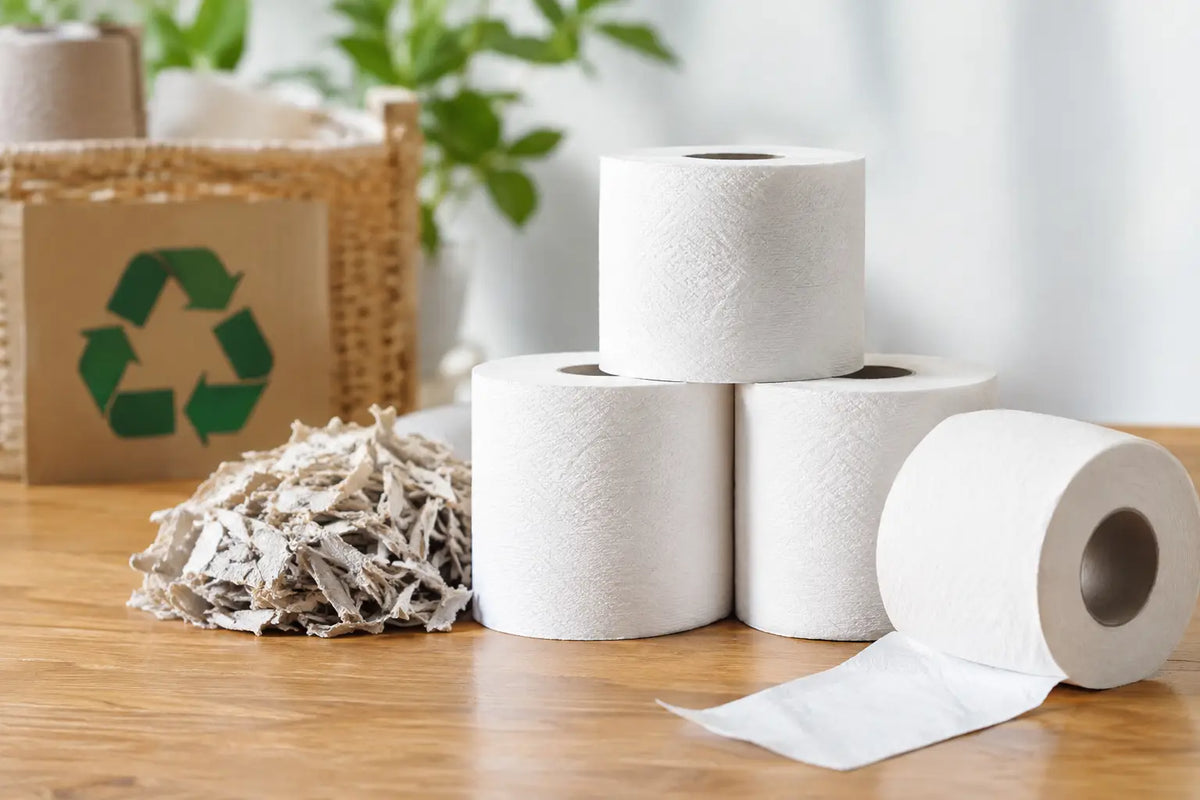
Australian businesses increasingly want washroom supplies that support their environmental policies, but vague green claims are losing credibility. Buyers are asking clearer questions: Is the paper responsibly sourced? Is it recycled or made from rapidly renewable materials such as bamboo? Are certifications meaningful? Can packaging be reduced or recycled where local systems allow?
FSC-certified paper products remain an important consideration for organisations seeking responsibly managed forest sources. Recycled content can reduce reliance on virgin materials, while bamboo options appeal to buyers looking for an alternative fibre source. Neither is automatically the right answer in every application. Product quality, transport, packaging, supply consistency and local waste arrangements all influence the overall outcome.
A sensible approach is to set a minimum standard, then test products in real conditions. Track how often dispensers are refilled, whether paper is being wasted, and whether users are satisfied. Sustainability works best when it is built into day-to-day operations, not treated as a label on a carton.
Bulk ordering is becoming a resilience strategy
The pandemic made supply disruption visible, but the lesson remains relevant: essential consumables need a reliable replenishment plan. Businesses are moving away from ad hoc purchasing and towards regular bulk orders of core lines, with enough on-site stock to cover normal demand and short delivery delays.
Bulk ordering can reduce the frequency of orders, lower administrative effort and improve price certainty. It also helps standardise products across sites, which makes cleaning instructions and dispenser refills easier to manage. For a property manager overseeing several buildings, consistency can be as valuable as a modest saving per carton.
However, more stock is not always better. Paper goods need clean, dry storage, and over-ordering can tie up cash or leave a business with products that do not fit newly installed dispensers. Start by measuring usage over four to eight weeks. Consider staff numbers, visitor traffic, seasonality and event periods, then set reorder points for each essential category.
Designing washrooms around the user
The best hygiene plans account for how people actually use a space. A warehouse washroom has different needs from a boutique hotel bathroom, and a medical clinic has different expectations again. A one-size-fits-all product range can create waste, poor presentation or unnecessary servicing.
High-traffic venues usually benefit from high-capacity dispensers, durable hand towels and clearly visible placement. Smaller workplaces may prioritise a neat, compact setup with softer toilet paper and quality facial tissues for staff comfort. Hospitality operators often need both: commercial volume in shared amenities and a more premium finish in guest areas.
Accessibility matters too. Dispensers should be positioned where people can reach them easily, without awkward stretching or blocked access. They should be simple to understand at first glance. A dispenser that looks tidy but confuses users will often lead to paper being pulled out, dropped on the floor or taken in excess.
Cleaner feedback should influence purchasing
Cleaning teams see the practical failures first. They know which dispensers jam, which towels leave residue, which roll formats are awkward to replace and where stock disappears fastest. Their feedback should be part of product selection, particularly when changing a site-wide paper or dispenser system.
A short trial can prevent a costly switch. Test one or two alternatives in a representative location and assess refill time, consumption, user comments and the condition of the washroom at the end of a busy day. This is more reliable than judging a product from its specifications alone.
Data is improving hygiene without making it complicated
Smart dispensers and usage monitoring are gaining attention in large facilities, airports, campuses and multi-site operations. They can alert teams when supplies are low and reveal patterns in consumption. This can reduce unnecessary checks and help cleaners focus on areas that genuinely need attention.
For many small and medium businesses, though, a simple stock sheet or regular ordering schedule delivers most of the benefit. Technology is worthwhile when it reduces labour, avoids stock-outs or improves reporting. If it adds another system to manage without solving a real problem, it may not justify the cost.
The same principle applies to product range. Fewer compatible refill types can simplify ordering and reduce mistakes. Standardising core toilet paper, hand towel and tissue lines across a workplace often makes purchasing more efficient while still leaving room for premium products where guests or clients will notice the difference.
Turning responsible purchasing into everyday action
Commercial hygiene trends point towards a more considered standard: products that work well, dispensers that control use, supply plans that prevent gaps and materials selected with their broader impact in mind. This is not about making a washroom look environmentally conscious while ignoring performance. It is about choosing practical essentials that make good operational sense.
Washroom Essentials supports this approach with bulk paper goods and washroom supplies designed for dependable recurring use, including environmentally certified, recycled and bamboo options. For buyers, the most useful next step is simple: review what your site uses now, identify the highest-waste or most frequently depleted item, and improve that one category first.
A well-stocked washroom quietly tells staff, visitors and customers that their comfort has been planned for. When quality, availability and responsible sourcing are considered together, that small daily experience can reflect the standards of the whole business.