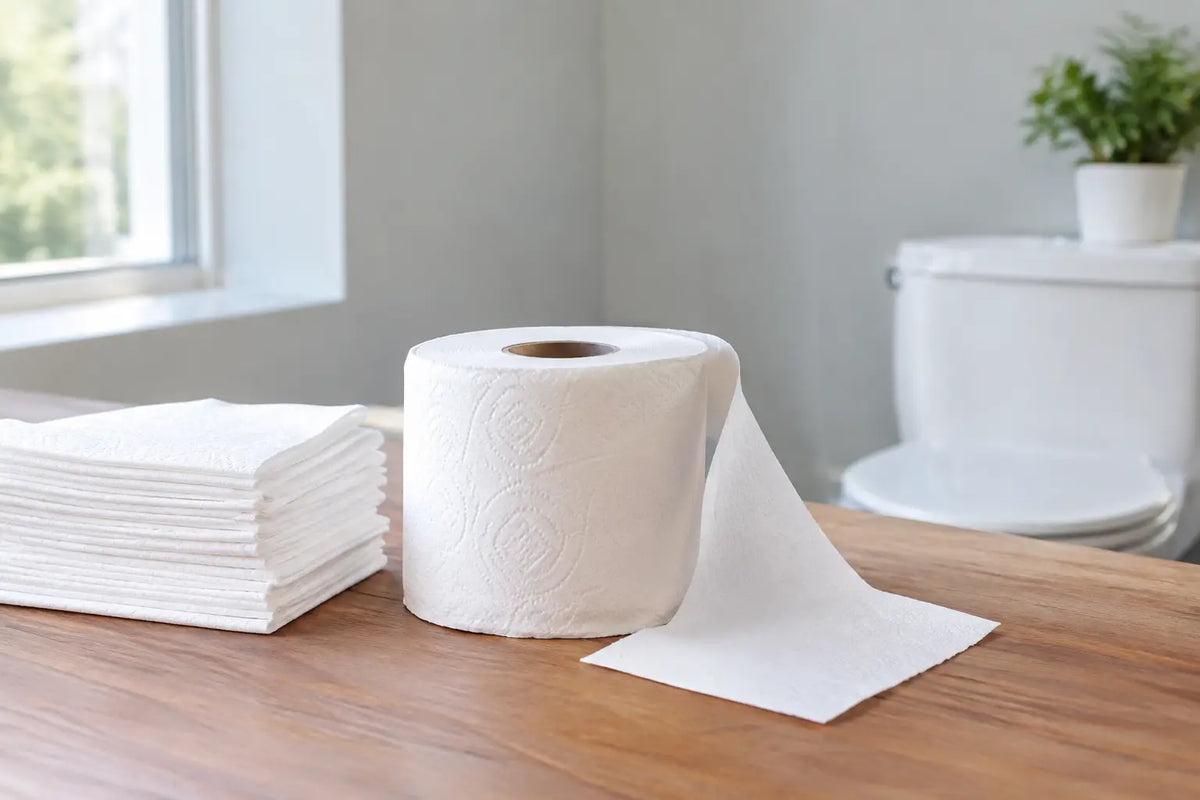


Carton Toilet Paper vs Packs: Which Wins?
Running out of toilet paper always seems to happen at the wrong time - before a weekend, during a busy workday or right when guests arrive. That is why the carton toilet paper vs packs question matters more than it first appears. The right buying format can save money, reduce admin, free up delivery time and make it easier to keep bathrooms stocked without overthinking it.
For Australian households, offices and hospitality venues, the choice usually comes down to buying smaller retail-style packs or ordering full cartons. Both have a place. The better option depends on how quickly you go through stock, how much room you have and whether you are trying to reduce repeat purchases while keeping quality consistent.
Carton toilet paper vs packs: what is the difference?
A pack is the smaller format most people know well. It might contain a handful of rolls and is designed for easy carrying, quick top-up buying and compact storage. Packs suit buyers who have limited space or only need a short-term supply.
A carton is a larger outer box containing multiple toilet paper rolls, often grouped in inner packs. It is built for bulk ordering and more predictable replenishment. In practical terms, cartons are less about convenience on the shop floor and more about supply planning, value and fewer ordering cycles.
That distinction matters because the format changes the economics of the purchase. It also affects how often you need to reorder, how much packaging you deal with and how likely you are to be caught short.
Why cartons often make better commercial sense
If you manage an office, café, clinic, accommodation venue or commercial site, cartons are usually the stronger buying decision. The main reason is consumption. When multiple people use the same amenities every day, stock turns over faster than many buyers expect.
Buying in cartons helps smooth out that demand. Instead of placing frequent small orders or sending someone out to grab emergency packs, you can hold a more reliable base level of stock. That reduces interruptions and cuts down on procurement friction, which matters when toilet paper is one of dozens of consumables you are already managing.
There is also a unit-cost advantage. In many cases, cartons deliver a lower cost per roll than smaller packs. That does not automatically mean every carton is cheaper in every circumstance, because ply, sheet count, paper type and brand quality all influence price. Still, when you compare like for like, bulk formats generally reward regular usage.
For cleaners and facilities teams, cartons also make routines easier. You can stock a cleaner's room, supply cupboard or back-of-house area properly instead of constantly juggling low reserves. That kind of consistency is valuable, especially in high-traffic bathrooms where running out affects the customer experience straight away.
When packs still make sense
Packs are not the lesser option. They simply solve a different problem.
For smaller households, apartments, short-stay living arrangements or businesses with very tight storage, packs can be the more practical choice. If your usage is low, buying a large carton may not create meaningful savings once storage inconvenience is factored in. A compact pack is easier to tuck into a linen cupboard, vanity cabinet or shelf without taking over the space.
Packs also suit buyers who are trialling a product for the first time. If you are testing softness, strength, roll size or recycled fibre quality, starting with a smaller quantity can feel lower risk. The same applies when a business is changing from one toilet paper specification to another and wants to check dispenser fit or customer response first.
There is also a cash flow angle. A pack has a lower upfront spend, even if the per-roll cost is higher. For some buyers, especially households or very small businesses, that shorter purchase step can still be the right one.
Cost per roll is only part of the picture
A lot of people compare toilet paper formats on sticker price alone. That is understandable, but it can lead to the wrong decision.
The better comparison is value in use. A cheaper product that runs out quickly, tears too easily or creates complaints can cost more over time than a slightly higher-quality option in a carton. The same goes for ordering frequency. If smaller packs mean extra delivery fees, more admin or emergency top-up runs, the apparent savings disappear.
This is especially relevant in workplaces and hospitality settings. Staff time has a cost. So does poor presentation in bathrooms. Guests and employees notice when amenities feel neglected, and low-grade paper does not leave the right impression.
A smarter way to assess carton toilet paper vs packs is to ask a few practical questions. How many rolls do you use in a typical week? How often do you reorder now? How much time do small top-ups create? Once you look at total effort, cartons often come out ahead for regular-use environments.
Storage changes the answer
Storage is where the trade-off becomes real.
A carton offers better supply security, but only if you have somewhere sensible to keep it. In a larger home with a garage shelf, laundry cupboard or spare storage area, that is usually manageable. In a city apartment or a compact café with limited back-of-house room, space may be worth more than the bulk discount.
That is why there is no one-size-fits-all answer. A suburban family home may benefit from carton ordering because the stock turns over steadily and storage is available. A boutique salon with one tiny storeroom may prefer packs even if the per-roll price is slightly higher. The most cost-effective option on paper is not always the most workable one on site.
If space is tight, it can help to think in terms of ordering rhythm rather than just order size. Some buyers do best with cartons delivered less often. Others are better off with smaller quantities on a more regular schedule.
Sustainability and packaging considerations
For buyers who want their washroom supplies to reflect stronger environmental values, format matters here too.
Cartons can reduce packaging intensity per roll compared with repeatedly buying smaller packs, particularly when the product is designed for bulk distribution. Fewer individual wraps and fewer separate purchases can mean less packaging waste over time. That said, the greener option still depends on the product itself. Recycled content, bamboo fibre, FSC certification and responsible manufacturing all play a role.
Delivery patterns also matter. Consolidating purchases into fewer, larger orders can be a more efficient approach than frequent top-up buying, especially for businesses with predictable demand. For organisations trying to align procurement with sustainability goals, this is often one of the easiest operational changes to make.
At Washroom Essentials, that practical approach sits alongside a broader commitment to environmentally conscious products, tree planting and community support. For many buyers, that means bulk purchasing is not only about convenience - it is also a way to make routine supply decisions count for more.
Which option suits your setting?
For most offices, strata sites, hospitality venues, schools, clinics and cleaning contractors, cartons are usually the safer and more economical choice. Usage is consistent, stockouts are disruptive and buying in bulk supports smoother operations.
For homes, the answer depends on household size and shopping habits. A larger family can get strong value from cartons because turnover is steady and no one wants a late-night dash to replace the last roll. A one or two-person household may still prefer packs if storage is limited or if they like more flexibility.
For premium environments, quality should lead the decision before format does. Hotel-quality toilet paper in a carton may offer the best overall result because it combines presentation, comfort and supply efficiency. In lower-traffic settings, premium packs can still work if the goal is to keep a smaller amount on hand.
How to make the right call
If you are choosing between cartons and packs, start with your real usage, not your guess. Look at how long your current supply lasts. If you are reordering often, dealing with stock shortages or buying top-up packs between regular orders, that is a strong sign cartons will serve you better.
If your usage is light and your storage is tight, packs may be more practical for now. But if your needs are growing, it is worth revisiting the decision before small inefficiencies turn into a recurring cost.
The best toilet paper buying choice is rarely about the cheapest label on the shelf. It is about keeping bathrooms stocked, maintaining quality, reducing hassle and buying in a way that fits both your space and your values. When those pieces line up, the right format becomes clear - and your washroom supply runs a lot more smoothly.