
Soft Toilet Paper Comparison for Smarter Buying
That moment when a washroom runs out or the paper feels rougher than expected is usually when people realise not all rolls are equal. A proper soft toilet paper comparison helps you avoid that problem by looking past packaging claims and focusing on what actually matters in daily use - comfort, strength, value and sustainability.
For households, softness is often the first concern. For offices, hospitality venues and commercial sites, softness still matters, but it has to work alongside cost control, reliable stock levels and easy storage. The best choice is rarely just the softest roll on the shelf. It is the one that performs well for your space, your usage rate and your standards around quality and environmental responsibility.
What softness really means
Softness sounds simple, but it comes from a few different product features working together. The fibre blend matters first. Virgin pulp toilet paper is often perceived as softer because the fibres are longer and smoother. Recycled toilet paper can also feel soft, but the finish depends heavily on manufacturing quality. Bamboo sits somewhere in the middle for many buyers - naturally smooth, often gentler than older-style recycled paper, and increasingly popular with customers who want a more sustainable option.
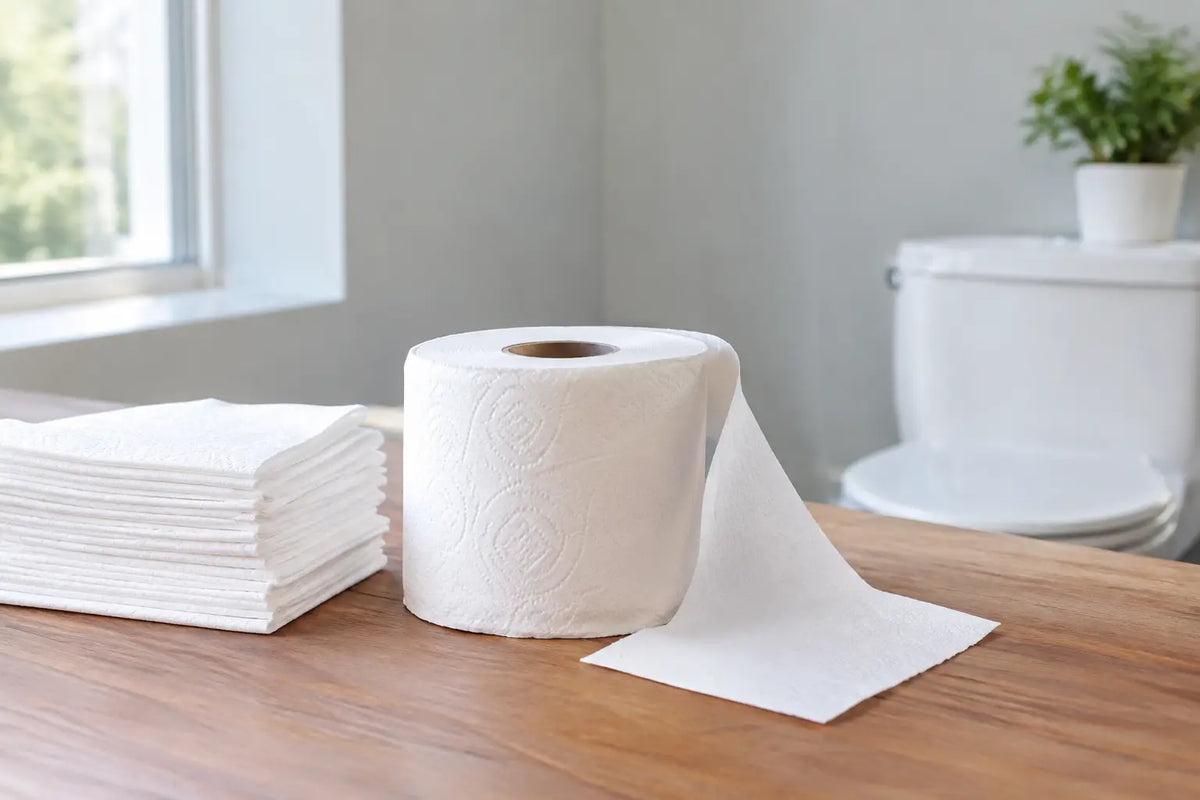
Ply count also affects comfort, but it should not be viewed on its own. A 3 ply or 4 ply roll usually feels more cushioned than 2 ply, yet embossing, sheet density and fibre quality can make a well-made 2 ply feel better than a poorly made thicker roll. This is where product testing in real settings becomes more useful than relying on the front of the pack.
Texture plays a role too. Embossed patterns can create a softer hand feel and improve absorbency, but heavy embossing can sometimes reduce the usable density of each sheet. In other words, a roll may feel plush at first touch while using more sheets per visit. That is not necessarily a problem, but it does affect value.
A soft toilet paper comparison should go beyond comfort
Comfort matters, but buyers who order regularly know that softness alone does not make a good product. A soft toilet paper comparison should also include strength when wet, absorbency, roll length, sheet count and how quickly the product is used across a week or month.
At home, a premium soft roll might be worth the extra spend if it lasts longer and gives a noticeably better experience. In an office or hospitality setting, the equation changes slightly. You need a product that feels good for staff and guests, but you also need consistency across multiple washrooms and predictable carton pricing. If one cheaper product gets used twice as fast because people need more sheets, the lower ticket price can be misleading.
This is why commercial buyers often compare cost per roll and cost per usable sheet rather than cost per pack. It gives a clearer picture of real value. It also helps avoid the common mistake of switching to a budget line that creates more complaints and more frequent reordering.
Comparing the main toilet paper types
Virgin pulp toilet paper
Virgin pulp products are often the benchmark for softness. They tend to have a smoother finish and a more premium feel, which makes them popular in homes, hotels and higher-end workplace amenities. If your priority is guest comfort or a hotel-quality impression, this category usually performs strongly.
The trade-off is environmental impact. Responsibly sourced virgin pulp can still be a solid option, especially where FSC-certified material is used, but it is not always the first choice for buyers focused on recycled content or alternative fibres.
Recycled toilet paper
Recycled toilet paper has improved considerably over the years. The old assumption that recycled means rough no longer holds up across quality ranges. Better manufacturing has produced softer, stronger recycled options that suit both residential and commercial use.
That said, there can still be variation between brands and grades. Some recycled products prioritise environmental credentials and value over premium softness. Others are designed to close that comfort gap. For buyers who want a better sustainability profile without compromising too much on feel, recycled paper is often worth a closer look.
Bamboo toilet paper
Bamboo toilet paper appeals to customers looking for a balance of softness and sustainability. Bamboo grows quickly, regenerates efficiently and has become a popular alternative fibre in the paper category. In use, it can feel soft and refined, with a smooth finish that suits both households and premium commercial spaces.
Price can be a little higher depending on the range, so it is best suited to buyers who place strong value on environmental outcomes and are willing to pay slightly more for that combination of comfort and fibre choice.
How ply, roll size and dispensing affect value
The softest roll is not always the smartest buy if it does not match the setting. In a family home, larger premium rolls can reduce replacement frequency and keep the bathroom stocked for longer. In a busy office or public venue, jumbo rolls or dispenser-compatible systems may be the better fit, even if the feel is slightly less plush than a boutique household roll.
Ply count should be weighed against roll length. A shorter 4 ply roll may feel luxurious, but if it disappears quickly, the cost can add up. A longer 2 ply or 3 ply roll with good sheet strength may deliver better day-to-day value. For procurement teams, this matters because labour and restocking time are part of the overall cost, not just the carton price.
Dispensers also influence how much paper gets used. Controlled dispensing systems can reduce waste significantly, especially in shared washrooms. If your current setup encourages overuse, changing the format may save more than changing the paper grade.
Soft toilet paper comparison for different buyers
For households
Household buyers usually want a simple balance - soft enough for everyday comfort, strong enough to use less, and affordable enough to buy regularly. If storage space is limited, longer rolls or carton buying can help reduce shopping trips without crowding the cupboard. If sustainability is high on your list, look for recycled or bamboo options with recognised certification rather than assuming all eco products perform the same.
For offices
Office managers tend to deal with two competing pressures: keep amenities pleasant for staff and visitors, and keep procurement efficient. A mid-to-premium 2 ply or 3 ply product often works well here. It provides a comfortable experience without pushing costs into hotel-luxury territory. Reliable delivery and consistent supply become just as important as softness, because no office wants to chase emergency restocks.
For hospitality and accommodation
Hotels, short-stay properties and venues need toilet paper that supports the overall guest experience. This is one setting where softness has a direct effect on perceived quality. Guests notice the details. A softer, hotel-quality product often justifies its cost because it reinforces the standard of the space.
For commercial and high-traffic sites
Property managers, cleaners and facilities teams usually need a dependable product that balances comfort with throughput. Here, the smartest choice is often not the most luxurious roll but the one that holds up under heavy use, fits the dispenser system and maintains a good standard across all amenities.
Sustainability is part of the comparison now
For many Australian buyers, softness is no longer the only question. They also want to know where the fibre comes from, whether the product is certified, and what broader impact their purchase supports. That does not mean every buyer will choose the most expensive eco option available. It means sustainability now sits alongside quality and price in a realistic purchasing decision.
Certified recycled content, FSC-certified fibre and bamboo alternatives all deserve a place in the comparison. So does packaging efficiency and bulk ordering, which can reduce transport frequency and procurement friction. For businesses especially, choosing a better paper product can support both operational needs and environmental targets without complicating ordering.
This is where suppliers with a practical sustainability model stand out. A product still needs to arrive on time, perform properly and represent fair value. Environmental claims mean more when they sit alongside dependable stock, commercial pricing and a clear quality standard.
How to choose with confidence
If you are comparing options, start with the setting, not the marketing. Ask who is using the product, how often the washroom is serviced, what storage space you have and whether your priority is premium comfort, lower cost per use or a stronger sustainability profile. Once those answers are clear, the right product category becomes much easier to identify.
It also helps to test with a small but realistic lens. A roll that feels soft in hand may not be the best performer once it is placed in a busy washroom. Strength, absorbency and usage rate tell the fuller story.
For many buyers, the most effective choice is not at either extreme. It is a well-made toilet paper that feels noticeably soft, lasts properly, suits the dispenser or bathroom setup, and aligns with the standards you want your home or business to reflect. If your supplier can deliver that consistently while supporting better environmental outcomes, you are not just buying paper - you are making recurring purchasing simpler, smarter and more responsible.