
Is Carbon Neutral Toilet Paper Worth It?
A carton of toilet paper rarely gets much thought until you run low, prices jump, or someone in the office complains about quality. But for buyers trying to reduce waste and make better purchasing decisions, carbon neutral toilet paper has become more than a nice extra. It is now a practical way to stock a home, workplace or venue with an everyday essential that supports lower-impact operations.
That does not mean every product making the claim is equal. Carbon neutral toilet paper can be a smart choice, but only when the product quality, supply reliability and environmental credentials all stack up. For Australian households and businesses buying regularly, the real question is less about whether the label sounds good and more about what it actually delivers.
What carbon neutral toilet paper actually means
At its simplest, carbon neutral toilet paper is toilet paper where the greenhouse gas emissions linked to its lifecycle have been measured and then balanced out, usually through emissions reduction efforts, carbon offsets, or both. That lifecycle can include raw material sourcing, manufacturing, packaging, freight and delivery.
The detail matters. Some brands offset emissions from production only, while others include transport and broader supply chain activity. A carbon neutral claim is stronger when it is specific about scope rather than vague about being "eco" or "green". If you are buying for an office, hotel, venue or managed facility, that difference matters because it tells you whether the claim is meaningful or mostly marketing.
It also helps to separate carbon neutrality from other sustainability features. A product can be carbon neutral and still be made from virgin fibre. It can also be recycled or bamboo-based without being carbon neutral. The best choice depends on what matters most in your purchasing policy - emissions, forestry impact, softness, price stability or all of the above.
Why buyers are paying attention now
For many Australian customers, paper products are no longer judged on price alone. Residential buyers want convenient delivery and better everyday options. Commercial buyers are under pressure to meet sustainability targets, reduce procurement friction and keep amenities stocked without constant reordering.
That is where carbon neutral toilet paper fits well. It gives procurement teams and households a practical change they can make in a category they already buy in volume. You are not asking staff or guests to adopt a new system. You are simply choosing a better version of something that gets used every day.
There is also a reputational benefit for businesses. In hospitality, shared workplaces and customer-facing settings, the details count. Sustainable washroom supplies support the broader story a business is trying to tell about responsible operations. That said, nobody wants to pay more for a roll that runs out too quickly, feels rough or arrives late. Performance still comes first.
The trade-off between sustainability and quality
This is where the conversation gets more practical. Some buyers assume environmentally responsible toilet paper means thinner sheets, lower comfort or poor value. Sometimes that has been true, especially with low-grade recycled products. But it is not a given.
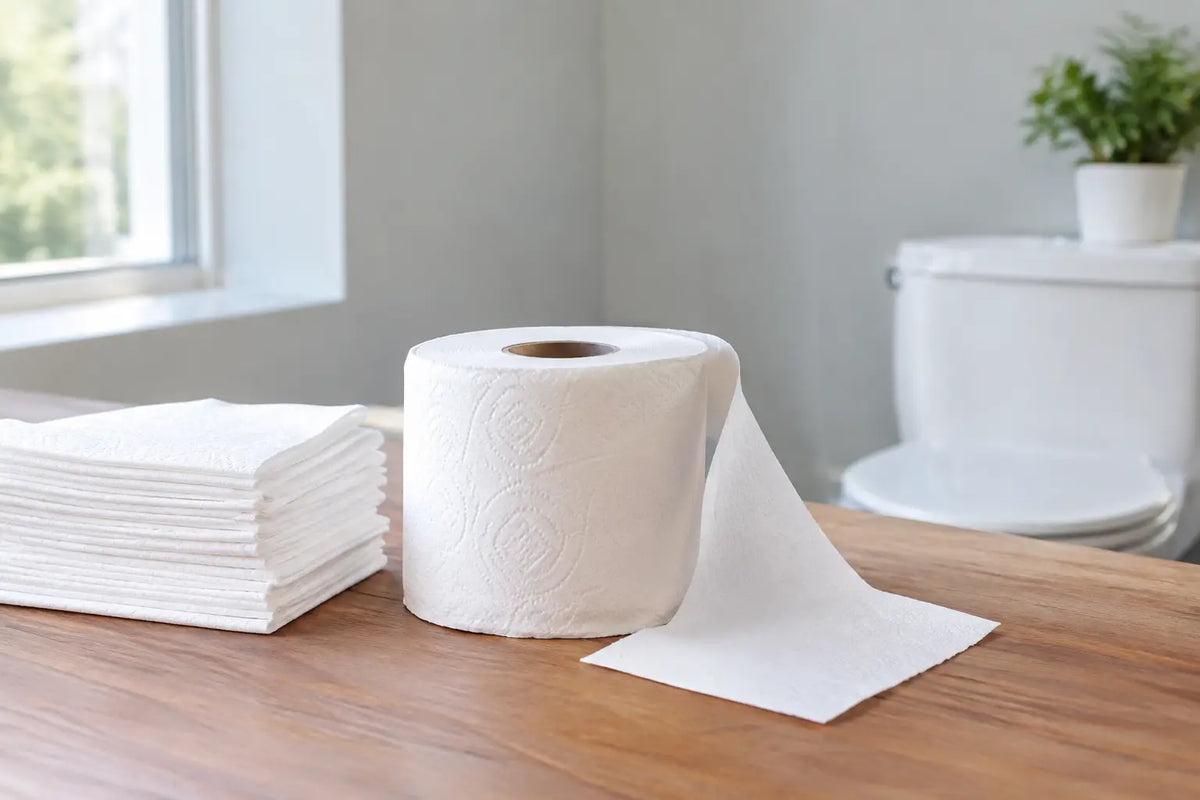
A well-made carbon neutral toilet paper should still meet the basics: decent softness, good absorbency, reliable sheet strength and efficient roll length. For homes, that means everyday comfort. For offices and venues, it means fewer complaints and better usage efficiency. A cheaper roll that disappears faster is not always the better buy.
Material choice plays a role here. Recycled fibre can deliver a strong environmental case, particularly when sourced and processed well, but quality varies by manufacturer. Bamboo appeals to buyers looking for a fast-renewable fibre source, though it can sit at a different price point. FSC-certified virgin pulp may offer a more familiar premium feel, but the overall footprint depends on forestry practices and the carbon claims behind production.
So, is carbon neutral toilet paper worth it? Usually yes, when it balances verified environmental effort with dependable day-to-day performance. If quality drops too far, buyers tend to switch back quickly, and any sustainability gain gets lost.
What to check before you buy
The easiest mistake is to focus on one headline claim and ignore the rest. A better approach is to assess the full value of the product.
Start with the carbon neutral claim itself. Look for clarity around what has been measured and offset. Terms such as carbon neutral, low carbon and environmentally friendly are not interchangeable. If the claim is credible, it should be backed by a defined standard, certification or transparent explanation.
Next, look at the fibre source. Recycled content, bamboo and FSC-certified paper each tell you something different. Recycled content helps reduce demand for virgin materials. FSC certification points to responsible forest management. Bamboo can appeal where renewability is a priority. None of these automatically makes a product better than the others, but they help you match the product to your goals.
Then consider pack size and supply format. For homes, bulk cartons reduce the chance of running out and can cut down on frequent ordering. For businesses, carton quantities, roll compatibility and delivery consistency matter just as much as sustainability credentials. If you manage multiple bathrooms or high-traffic amenities, reliability is not optional.
Finally, compare real unit value. Check sheet count, ply, roll length and carton volume rather than sticker price alone. A carbon neutral product that lasts longer and performs better may offer better overall value than a cheaper alternative.
Carbon neutral toilet paper for homes versus workplaces
The best fit often depends on where it will be used. A household may prioritise softness, low-fuss delivery and confidence that the product aligns with family values. In that setting, buying carbon neutral toilet paper in bulk can simplify shopping while reducing the environmental impact of a routine purchase.
A workplace or commercial site has a different checklist. Office managers, cleaners and procurement teams need products that work with dispenser systems, hold up under frequent use and arrive on time. They may also need to report on sustainable purchasing decisions or choose products that support broader ESG commitments.
Hospitality operators sit somewhere in the middle. Guests notice quality quickly, especially in accommodation settings, but operators also watch stock turnover and cost per room. In that case, hotel-quality finish and carbon neutral credentials can sit together, provided the product does not compromise either comfort or operating efficiency.
How carbon neutrality fits into a broader washroom strategy
One product choice will not transform a business footprint on its own, but it can be part of a better overall washroom supply strategy. Toilet paper is purchased frequently, used daily and often ordered in volume. That makes it a sensible category for improvement because small changes scale up fast.
If you are already reviewing consumables, it makes sense to look at the whole picture: toilet paper, facial tissues, hand towels, dispensers and packaging. Better choices across these categories can reduce waste, improve consistency and make purchasing simpler. For many buyers, the ideal outcome is not just a greener product. It is a supply setup that is reliable, commercially sensible and aligned with how the organisation wants to operate.
That is why straightforward sourcing matters. A dependable online supplier with clear product information, bulk ordering options and direct-to-door delivery saves time as well as emissions guesswork. For customers who want practical value with a positive impact, that combination is hard to beat.
Is it worth paying more?
Sometimes carbon neutral toilet paper costs more. Sometimes it does not, especially when bought by the carton or as part of a bulk supply plan. The better question is whether any price difference delivers value beyond the label.
If the product is soft enough for regular use, strong enough to reduce overuse, backed by credible environmental claims and supplied reliably, the answer is often yes. You are not just paying for paper. You are paying for consistency, reduced purchasing friction and a product choice that supports lower-impact operations.
For value-driven buyers, the strongest option is one that keeps quality high and makes sustainability easy to maintain over time. At Washroom Essentials, that is the standard worth aiming for - practical everyday products that do the job properly while contributing to something better.
The smartest washroom purchases are usually the ones you do not have to rethink every month, and carbon neutral toilet paper can be one of them when the quality, pricing and purpose all line up.