
How to Reduce Bathroom Waste That Adds Up
The bathroom bin fills up faster than most people realise. Empty toilet roll cores, tissue boxes, plastic bottles, blister packs, disposable wipes - they add up quickly in homes, offices, cafés and accommodation settings. If you are working out how to reduce bathroom waste, the biggest gains usually come from the boring essentials you buy often, not one-off eco trends that look good on a shelf.
That matters because bathrooms are one of the highest-consumption spaces in any property. They need to stay clean, stocked and easy to maintain. The good news is you do not have to choose between hygiene, convenience and sustainability. With a few practical changes, you can cut rubbish, simplify purchasing and keep quality high.
How to reduce bathroom waste without making life harder
The most effective approach is to look at volume first. Which products get used every day? Toilet paper, hand towels, tissues, soap, liners and cleaning consumables tend to create the most repeat waste. Start there, because small improvements on frequently purchased items usually outperform dramatic changes on products you barely use.
For households, that might mean moving from heavily packaged single packs to carton quantities. For workplaces or hospitality venues, it often means choosing dispensing systems and consumables that reduce overuse. Waste is not just what lands in the bin - it is also product used too quickly, stock damaged in storage or poor-quality supplies that need replacing sooner.
There is a practical balance to strike. Bulk buying can reduce packaging waste and delivery frequency, but only if you have the storage space and a reliable understanding of usage. If stock ends up damp, crushed or forgotten in a storeroom, the benefit disappears. Good waste reduction is usually about buying smarter, not simply buying more.
Start with the paper products
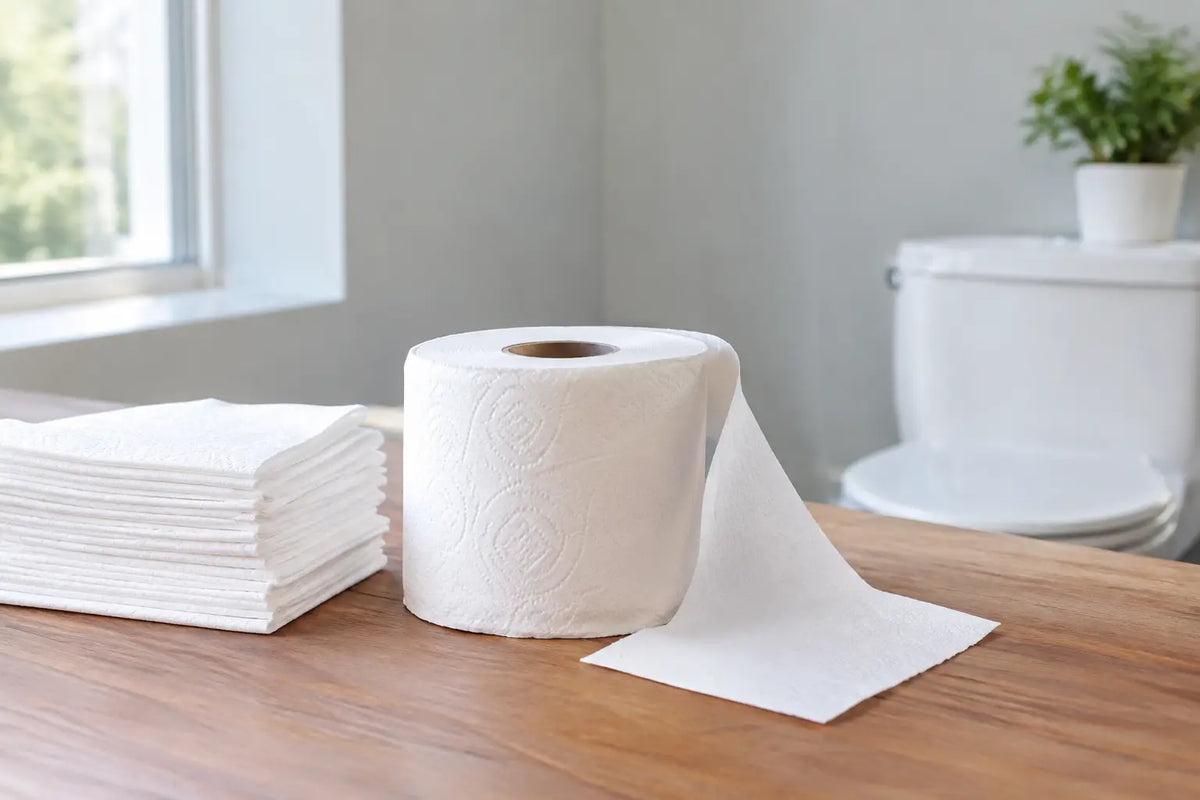
Paper goods are the backbone of most bathrooms, and they are often the easiest place to improve both waste output and purchasing efficiency. Toilet paper and hand towel choices have a bigger environmental footprint than many people expect because they are used constantly and reordered often.
A simple step is choosing recycled or FSC-certified paper products where performance still meets your needs. For some buyers, bamboo is also a strong option, particularly when softness and sustainability both matter. The key is not to assume all eco products perform the same. In a busy office or venue, paper that tears too easily or feels low quality can lead to overuse, complaints and faster restocking. Better materials often reduce total consumption because people use only what they need.
Packaging also matters. Carton-based supply generally creates less packaging waste per roll or per towel than small retail-style packs. It can also streamline procurement. One larger order delivered direct to site is often more efficient than multiple top-up purchases that come with extra wrapping, transport and admin time.
If you manage shared bathrooms, dispenser compatibility is worth checking before switching products. The wrong fit creates jams, double dispensing and product waste. A good dispenser and the right refill format can quietly reduce consumption every day without adding work for staff.
Rethink disposables that are not essential
Not every disposable product in a bathroom is unnecessary, but plenty of them become default purchases rather than considered ones. Wipes are a common example. Many people keep them in bathrooms for convenience, yet they often create both packaging waste and plumbing issues if flushed incorrectly. Where possible, toilet paper, facial tissues or washable cleaning cloths can do the job just as well.
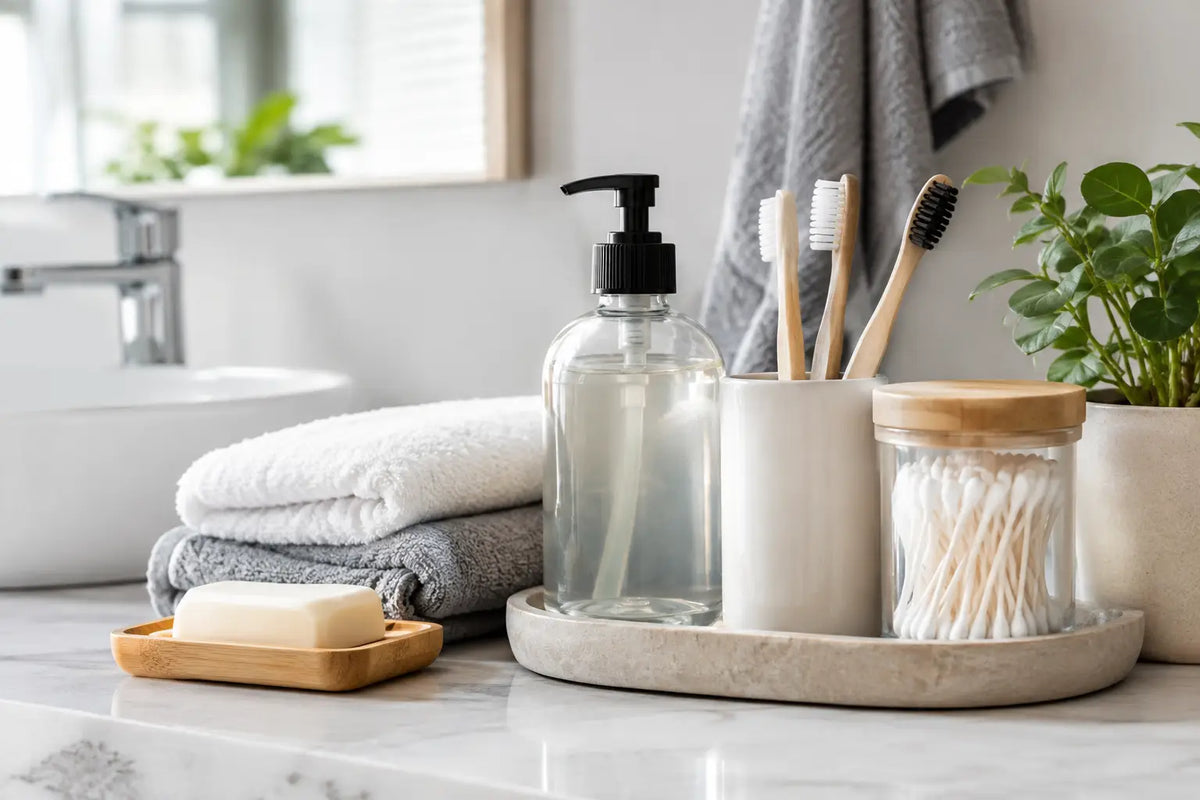
The same logic applies to mini toiletries in accommodation settings, individually wrapped vanity items and heavily packaged guest amenities. These can look neat, but they generate a lot of single-use waste for very short use. Refillable dispensers for soap, shampoo and conditioner are usually a more efficient option in commercial spaces, provided they are maintained well and kept hygienic.
At home, think about what is genuinely used versus what is just stored under the sink because it seemed handy. Half-used products expiring in cupboards are still waste. A more streamlined bathroom tends to produce less rubbish simply because every item has a purpose.
Buy for durability, not just shelf appeal
Cheap bathroom accessories often cost more in the long run because they crack, rust or need replacing within months. Soap dispensers, toilet brushes, bins, hooks and storage caddies may not seem like major waste contributors, but frequent replacement creates a steady stream of unnecessary landfill.
Choosing durable materials and commercial-grade fittings can reduce that cycle. This is especially relevant in workplaces, hospitality and managed properties where heavy daily use exposes weak products quickly. A sturdy dispenser or accessory that lasts for years is usually the better environmental and commercial decision than a cheaper item replaced three times.
There is also a maintenance angle. Products that are easy to clean and refill tend to stay in service longer. If a bathroom system is fiddly, awkward or constantly leaking, people abandon it. Waste reduction works best when the practical option is also the easiest one.
Make refills and bulk formats part of the routine
Refills are one of the simplest answers to how to reduce bathroom waste, particularly for liquid soap, hand wash and cleaning products. Reusing the same dispenser cuts down on pump bottles and outer packaging, and bulk formats usually offer better value per litre as well.
This does depend on your setup. In a small household, buying oversized containers without space to store them may be more frustrating than helpful. In an office, school, clinic or café, refill systems are usually a clear win because usage is predictable and storage is easier to manage.
The same principle applies to ordering patterns. If you know your monthly usage of toilet paper, tissues and hand towels, plan around it. Better forecasting reduces emergency purchases, which often lead to whatever product is available rather than the best-fit option for cost, quality and sustainability.
Reduce contamination in the bathroom bin
A lot of bathroom waste becomes harder to manage because recyclable materials are mixed with general rubbish. Cardboard tissue boxes, paper cartons and certain outer wraps may be recyclable, but not if they are soaked or contaminated.
This is where layout matters. In commercial bathrooms, placing clearly labelled bins in cleaner adjoining areas can improve sorting more than adding complicated signage inside a cramped cubicle. At home, even a small habit like flattening clean cartons before disposal can make a difference.
It is also worth being realistic. Not every bathroom item can be recycled through kerbside systems, and rules vary by council. The aim is not perfection. It is reducing avoidable waste where you have the most control.
Focus on product quality to reduce overconsumption
One detail buyers often miss is that low-quality consumables can create more waste than the packaging they come in. Thin toilet paper means more sheets used per visit. Hand towels that do not absorb properly lead people to grab two or three. Tissues that tear apart in the box are frustrating and wasteful.
That is why waste reduction should never be separated from performance. In high-use settings, quality products often lower total consumption even if the unit price looks slightly higher. They improve the user experience, reduce complaints and support cleaner, more efficient bathrooms overall.
For values-driven buyers, the strongest option is usually a product that combines dependable quality with environmental credentials. That gives you a practical result now, not just a better story on the label. It is one reason many Australian households and businesses are shifting towards responsibly sourced, recycled or bamboo paper ranges supplied in bulk.
Build a simpler purchasing system
Bathroom waste is not only about what users throw away. It is also influenced by how buyers source supplies. Too many product variations, inconsistent ordering and stop-start purchasing create waste through duplication, stockouts and poor substitutions.
A simpler range often works better. Standardise where you can. Keep a shortlist of reliable essentials that cover daily needs, perform well and align with your sustainability goals. For many buyers, that means sourcing from one dependable supplier rather than patching together orders from multiple places.
That approach saves time, reduces packaging and makes stock control easier. It also supports better long-term decisions. When you can count on product quality and delivery, you are less likely to overbuy out of panic or settle for poor alternatives.
If you are reviewing your setup, start with the products you reorder most often and ask three straightforward questions. Does this item create more waste than it should? Is there a refill, bulk or certified alternative that performs as well or better? And will this change make the bathroom easier to manage, not harder?
That is usually where meaningful progress begins. Not with a dramatic bathroom overhaul, but with better choices on the essentials you already use every day. For homes and businesses alike, reducing bathroom waste is often less about doing more and more about buying with purpose, using quality products well and keeping the whole system simple.