

How to Order Washroom Supplies Smartly
Running out of toilet paper in a busy office, venue or household is never a small problem. If you are working out how to order washroom supplies, the real goal is not just filling a cupboard. It is making sure the right products arrive on time, fit your space, suit your usage, and deliver consistent value without creating waste or constant reordering.
How to order washroom supplies without guesswork
The fastest way to make washroom ordering easier is to stop treating every purchase as a one-off. Whether you are buying for home, a small workplace, a cafe, serviced apartments or a commercial site, good ordering starts with patterns. How many people use the space, how often is it cleaned, how much storage do you have, and how quickly do products move during busy periods?
A quiet office of eight people will use supplies very differently from a hospitality venue with high weekend traffic. The same applies to residential buyers. A family household may prefer buying in cartons to avoid repeat trips and price fluctuations, while an inner-city apartment with limited storage may need a tighter ordering cycle. There is no single perfect formula. The best approach is practical, based on actual usage rather than rough estimates.
Start by looking at your core consumables. For most buyers, that means toilet paper, facial tissues, hand towels and hand towel dispensers if required. Some sites also need jumbo rolls, interleaved towels, premium guest amenities or bath accessories. If you order everything from one place, procurement becomes simpler and stock control is easier to manage.
Begin with product fit, not just price
Price matters, but the cheapest unit is not always the best buy. If the product runs out faster, creates complaints, jams in a dispenser or needs replacing more often, it can cost more over time. That is especially true in commercial washrooms where labour and service interruptions add to the real cost.
When deciding how to order washroom supplies, check the format first. Standard toilet rolls suit homes and many small offices. Jumbo rolls can make more sense for high-traffic sites because they reduce changeovers. Interleaved hand towels are often a cleaner, more controlled option in shared washrooms, while roll towels may suit other setups depending on dispenser compatibility and refill frequency.
Then consider quality. A premium or hotel-quality product can improve user experience, but it may not be necessary in every area. Front-of-house amenities in hospitality or client-facing offices often justify a higher grade. Back-of-house washrooms may need dependable performance and value rather than a premium finish. Matching product quality to the setting helps control costs without cutting standards.
Sustainability should also be part of the decision, not an afterthought. FSC-certified, recycled and bamboo paper products appeal to buyers who want practical hygiene essentials with a lower environmental impact. For many organisations, this is now part of procurement expectations rather than a bonus. The trade-off is simple: some eco-focused ranges carry a different price point or texture, so it helps to balance budget, presentation and environmental goals.
Work out your ideal order volume
Bulk buying usually improves value, but only if it matches your storage space and usage rate. Ordering too little creates urgent top-ups, higher admin time and the risk of stockouts. Ordering too much ties up cash and can crowd your storeroom with cartons you cannot move quickly.
A sensible method is to review four to eight weeks of consumption if you have the data. If you do not, start with a simple estimate based on headcount, opening hours and washroom traffic. Then add a buffer for busy periods. Offices may need extra stock around events or peak attendance days. Hospitality venues often see strong seasonal variation. Residential buyers may simply want enough supply on hand to avoid monthly reordering.
This is where carton-based ordering makes practical sense. It gives you better price consistency and reduces the friction of frequent purchasing. For recurring essentials like toilet paper, tissues and hand towels, cartons are often the easiest way to keep supply dependable without overcomplicating the process.
Check dispenser compatibility before you buy
One of the most common ordering mistakes is buying paper products that do not suit the dispenser already installed. That can lead to waste, poor dispensing, staff frustration and unnecessary returns. If your site uses proprietary dispenser systems or specific paper dimensions, confirm compatibility before placing the order.
For new fit-outs or upgrades, it can be worth reviewing the dispenser and consumable together rather than separately. The right combination can reduce overuse, improve hygiene and create a tidier washroom presentation. In some settings, a better dispenser setup will save more over time than shaving a few cents off each refill.
If you are ordering for multiple bathrooms across one property, standardising products where possible also helps. It simplifies training, restocking and storage, and makes it easier to track what needs reordering.
Think about delivery as part of the buying decision
A product is only useful if it arrives when you need it. For that reason, delivery reliability should carry real weight when deciding where and how to buy. This matters even more for businesses with steady usage, limited storage or multiple sites.
Ordering online can remove a lot of procurement friction, especially when the product range is clearly set out and stock is easy to assess. It is more efficient to place one planned order than send staff out for emergency packs from a supermarket or office supplier at a higher unit cost. Direct-to-door delivery is not just convenient. It helps protect buying discipline.
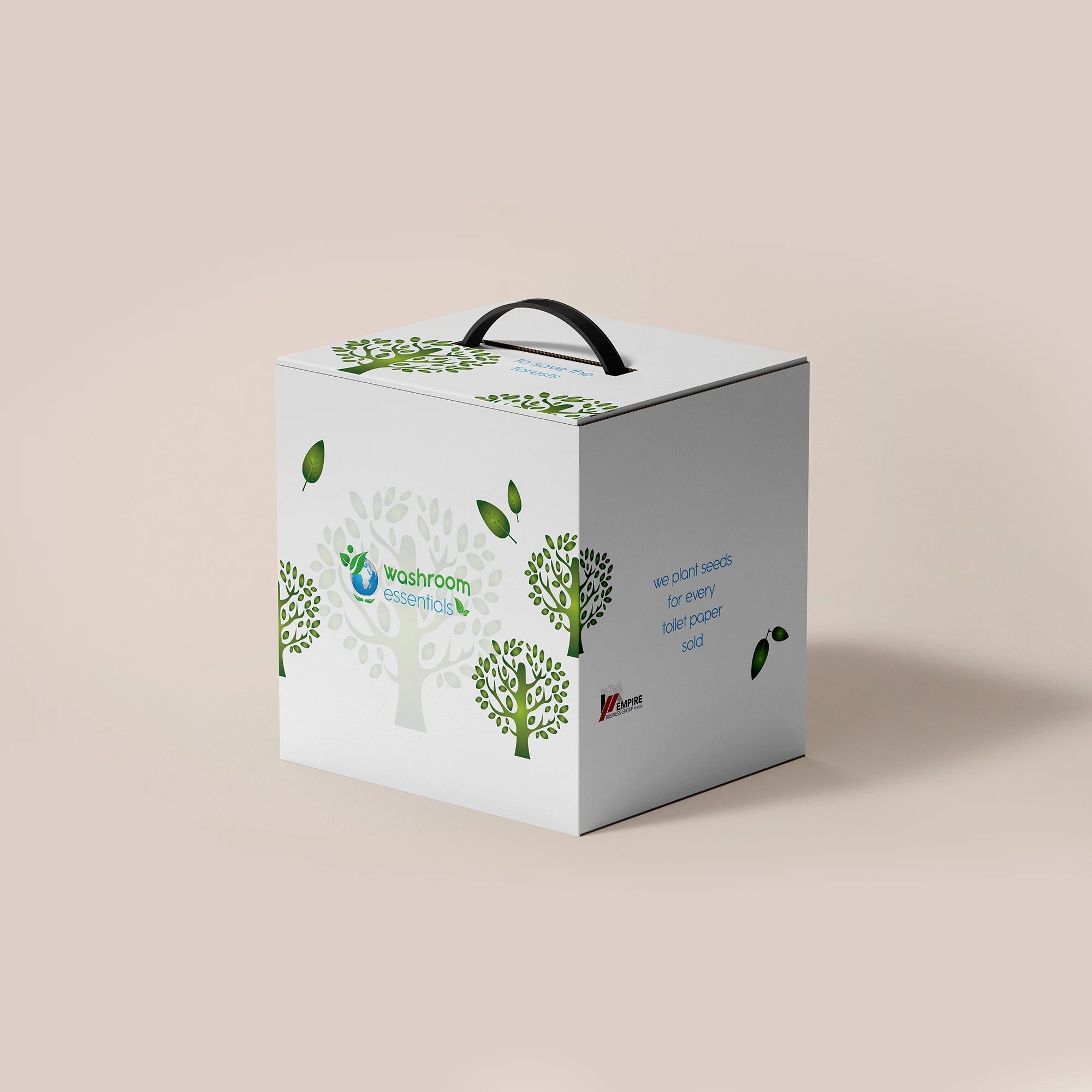
For metro buyers in Australia, especially those managing regular commercial supply, consistency often matters more than novelty. You want a dependable supplier, clear carton quantities, and products that meet expectations every time. Washroom Essentials is built around that kind of practical repeat ordering, with everyday essentials, bulk value and sustainability built into the range.
Build a simple reorder system
The easiest way to improve washroom purchasing is to remove last-minute decisions. A basic reorder system can be enough. You do not need complex software if your operation is small, but you do need a clear trigger for when to buy again.
For homes, that might be reordering when one carton remains unopened. For offices or venues, it may be a minimum stock level by product type. Keep the system simple enough that anyone responsible for facilities, admin or cleaning can follow it.
It also helps to review your order mix every few months. Usage can shift with staffing changes, seasonal demand, occupancy levels or customer traffic. A product that made sense six months ago may no longer be the best fit. Good ordering is not static. It responds to how the space is actually being used.
Choose a supplier that matches your standards
When buyers look at how to order washroom supplies efficiently, the supplier decision is often the biggest factor. A good supplier should do more than list products. They should make it easy to compare options, buy in practical quantities, and trust that quality will match what is promised.
For many Australian buyers, ethics are also part of value. If you can source essential consumables that support responsible forestry, recycled materials, carbon-conscious operations, tree planting or community giving, that adds weight to the purchase. It means routine buying can support broader environmental and social outcomes without making the process harder.
That said, values only work if the basics are covered first. Stock availability, clear descriptions, product consistency and competitive pricing still lead the decision. Purpose-driven purchasing should strengthen the commercial case, not replace it.
The best order is the one you do not have to worry about
Washroom supplies are everyday essentials, which is exactly why ordering them well matters. When the products fit the space, arrive on time, offer solid value and reflect the standards you want to uphold, they stop being a recurring hassle and become one less thing to manage. That is usually the smartest way to buy - practical first, reliable every time, and better for the people using the space as well as the wider community.