
How to Reduce Bathroom Supply Costs
Running out of toilet paper mid-week is annoying. Paying too much for it every month is worse. If you're working out how to reduce bathroom supply costs, the biggest savings usually come from a few simple changes - buying the right quantities, choosing products that suit actual usage, and cutting the waste that quietly blows out the budget.
For households, offices, hospitality venues and commercial sites, bathroom supplies are recurring essentials. That means small pricing gaps and minor usage issues add up fast over a quarter or a year. The good news is you do not need to compromise on hygiene, presentation or product quality to spend less. You just need a more practical buying strategy.
How to reduce bathroom supply costs without cutting corners
The first mistake many buyers make is focusing only on unit price. A cheaper pack can look like good value, but if the rolls are smaller, the sheets are thinner, or staff use more product to get the job done, the real cost is often higher. The same applies to hand towels, tissues and soap refill systems. What matters is cost per use, not just shelf price.
This is especially relevant in shared bathrooms. In a busy office or venue, low-quality products tend to disappear faster and create a poor user experience. Guests notice rough toilet paper. Staff notice dispensers that empty too quickly. Cleaners notice products that create more mess than they solve. Paying slightly more for a dependable, fit-for-purpose product can lower total spend because usage becomes more controlled.
A better place to start is demand. Look at how much stock you actually go through in a typical month, where spikes happen, and which items are overused. Once you know your baseline, it becomes much easier to buy smarter.
Buy in bulk, but buy the right bulk
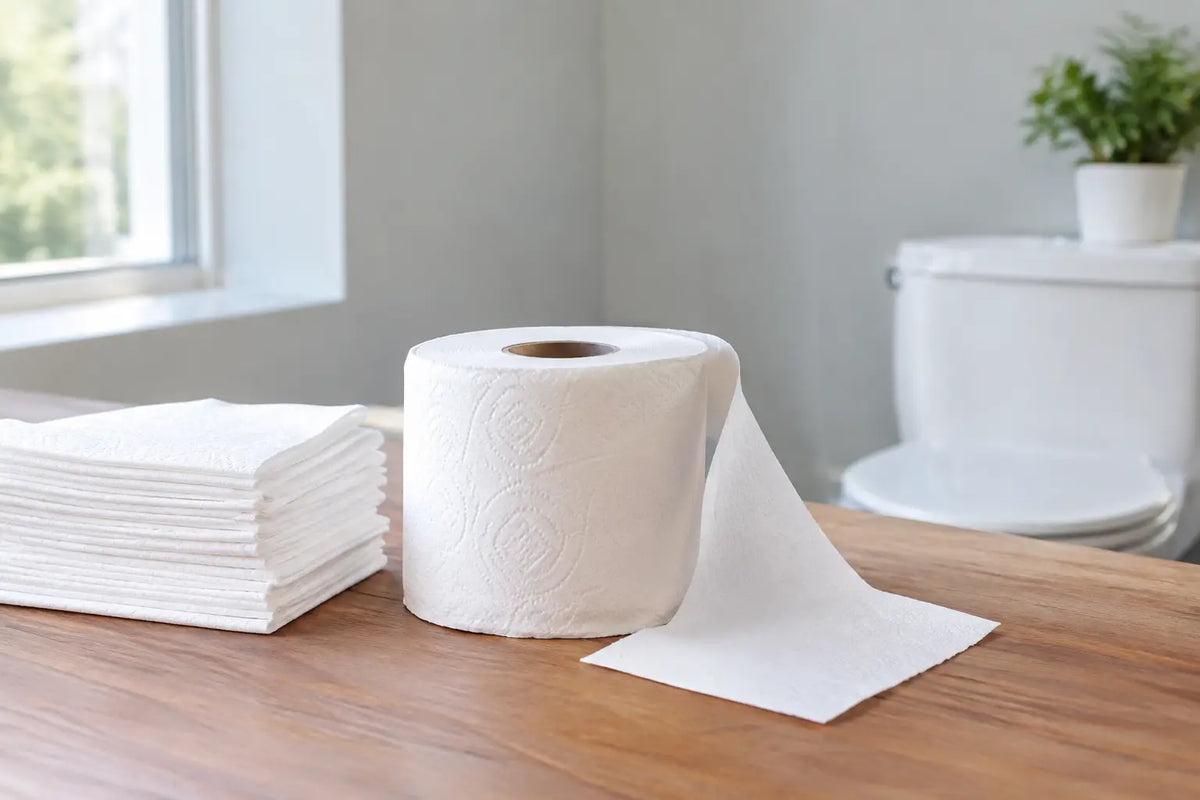
Bulk purchasing is one of the clearest ways to lower recurring costs, particularly for toilet paper, facial tissues, hand towels and other paper consumables. Carton buying usually delivers better value per unit and reduces the time spent reordering smaller packs. For businesses, that also means less admin and fewer urgent top-up purchases at premium retail prices.
That said, bulk only works when the quantities make sense. If storage is limited, oversized orders can create clutter, stock damage or product deterioration. For a small office, a moderate carton order on a predictable cycle may be more cost-effective than chasing the biggest possible volume discount. For hotels, cleaners and large facilities, a larger recurring order often makes more commercial sense because turnover is consistent.
The goal is to match pack size to your rate of use. Fast-moving essentials should be bought in cartons where possible. Slower-moving items may still be better in smaller quantities if they tie up cash or shelf space.
Standardise what you buy
If multiple people order supplies across one site or several locations, costs can drift quickly. One person buys premium 3-ply, another buys the cheapest option available, and someone else orders a different dispenser refill that does not quite fit. Standardising your core lines helps control spend and avoids costly mismatches.
This is particularly useful for offices, strata properties, hospitality groups and cleaning businesses. Set a preferred range for toilet paper, hand towels, tissues and dispensers, then stick to it unless there is a clear reason to change. Consistency makes reordering easier, reduces waste from incompatible products and gives you a clearer picture of monthly spend.
Choose dispenser systems that reduce overuse
Open product stacks and loose rolls tend to encourage waste. People naturally take more than they need when there is no portion control. A good dispenser changes that. It can limit how much product is used at once, keep stock cleaner and make refilling easier.
For high-traffic bathrooms, this can make a meaningful difference. Controlled-feed hand towel dispensers, jumbo roll systems and interleaved towel formats often reduce unnecessary usage while maintaining hygiene standards. The upfront cost of dispensers can put some buyers off, but over time the reduction in waste and refill frequency can offset that spend.
There is a trade-off here. Not every bathroom needs a commercial-grade dispensing setup. In a home, the savings may be minimal. In a workplace or public-facing venue, the numbers are usually much stronger.
Reduce waste before you reduce quality
When costs rise, it is tempting to trade down to the cheapest available products. Sometimes that works. Often it does not. Lower-grade supplies can lead to double handling, faster depletion and more complaints from staff, guests or tenants.
A better approach is to reduce waste first. Start by checking where products are being used inefficiently. Are cleaners replacing rolls too early? Are hand towels being overstocked on counters instead of kept in dispensers? Are tissues placed in multiple low-use areas where they expire, collect dust or go half-used?
Small procedural changes matter. Train cleaning staff to top up based on need rather than habit. Keep spare stock secure rather than fully accessible in every bathroom. Review whether each bathroom really needs every consumable currently supplied. In some settings, removing duplication is enough to lower monthly costs without anyone feeling a difference.
Match product quality to the setting
Not every bathroom needs the same specification. A premium guest bathroom, a staff washroom and a warehouse amenities block have different expectations. Choosing one universal product for all spaces can either lift costs unnecessarily or leave high-visibility areas underwhelming.
Segmenting your range can be more cost-effective. Use hotel-quality or premium products where presentation matters most, and practical high-value options in back-of-house or lower-traffic spaces. That way you protect the experience where it counts without overspending everywhere else.
This is also where environmentally certified products deserve a fair look. Recycled, FSC-certified and bamboo paper products are often assumed to be more expensive across the board, but that is not always the case when bought in carton quantities. If sustainability matters to your business or household, there are options that support those values while still delivering solid commercial value.
Review delivery and ordering habits
Supply cost is not only about product choice. Freight, emergency purchases and inconsistent ordering can quietly push the total up. Ordering at the last minute often means paying more, accepting whatever stock is available, or buying from multiple sources just to cover a shortfall.
A simple ordering schedule can solve a lot of this. Monthly or fortnightly replenishment, based on actual usage, reduces panic buying and gives you more control over quantity and budget. It also makes it easier to compare suppliers properly because you are not making rushed decisions.
Consolidating orders helps too. If you are buying toilet paper from one supplier, tissues from another and dispensers somewhere else, you may be paying extra in freight and admin time. A one-stop supplier model is often more efficient, especially when you need dependable repeat delivery for several product categories.
Watch the hidden costs in cheap alternatives
The cheapest option can cost more in labour, storage and reputation. If cleaners need to refill dispensers twice as often, that is labour. If low-grade hand towels break apart and leave more rubbish on the floor, that is labour too. If guests notice poor-quality paper products in a hotel, clinic or office, there is a brand cost attached.
That does not mean the most expensive option is the right one either. The smartest choice usually sits in the middle - reliable quality, sensible bulk pricing and a product spec suited to your environment. If you can test a few lines and compare actual usage over a month, you will get a far clearer answer than you would from catalogue pricing alone.
Make sustainability part of cost control
Sustainability and savings are not opposites. In many cases, they support each other. Buying responsibly sourced products in bulk can reduce packaging waste, lower delivery frequency and improve purchasing consistency. Durable dispensers reduce product misuse. Better forecasting cuts excess stock and emergency freight.
For many Australian businesses, there is also reputational value in choosing products that align with environmental and community goals. That may not show up as a line item on a supply invoice, but it still matters. Buyers increasingly want essentials that are practical, affordable and responsibly sourced.
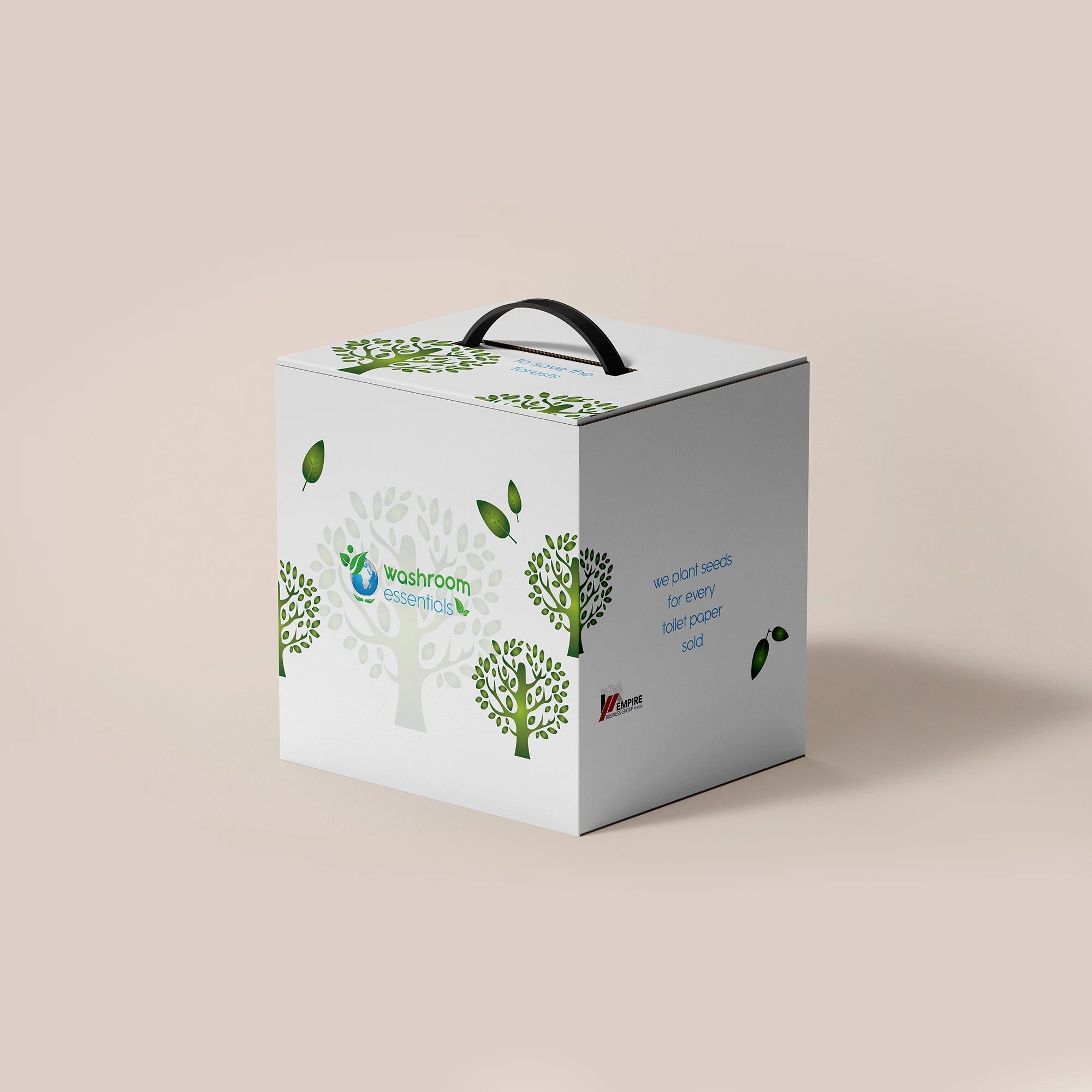
At Washroom Essentials, that balance is central to the way many customers buy - dependable everyday supply, bulk value and product choices that support a broader positive impact.
A practical way to keep costs down long term
If you want to know how to reduce bathroom supply costs and keep them down, treat washroom supplies like any other operational expense that deserves a clear plan. Track usage, buy in sensible bulk, standardise core items, use dispensers where waste is high, and match product quality to the space. The savings usually come from steady decisions, not dramatic cutbacks.
The best result is not simply spending less this month. It is building a supply system that stays reliable, keeps bathrooms well stocked and gives you confidence that value, quality and responsibility can sit side by side.