
Recycled Toilet Paper vs Virgin: Which Wins?
Most buyers do not sit around comparing ply specs for fun. They notice toilet paper when it feels rough, runs out too fast, blocks the plumbing, or does not line up with the sustainability standards they are trying to maintain. That is why recycled toilet paper vs virgin is a practical question, not just an environmental one. For households, offices, hospitality venues and commercial washrooms, the right choice comes down to comfort, performance, budget and what kind of impact you want every carton to make.
Recycled toilet paper vs virgin: what is the difference?
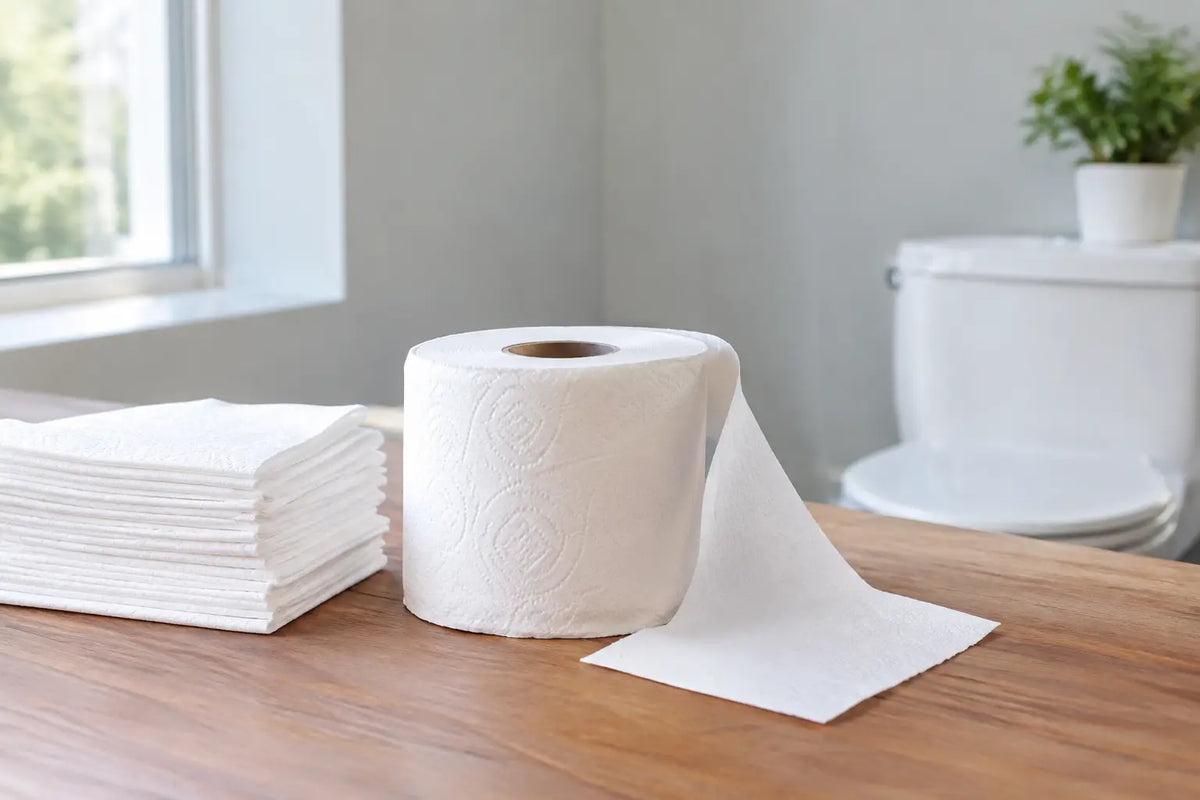
Virgin toilet paper is made from new wood pulp. That fibre usually comes directly from trees processed into paper-grade pulp, then turned into rolls. Recycled toilet paper is made from recovered paper fibres, often post-consumer or post-industrial sources, which are cleaned, processed and remanufactured into tissue products.
On the shelf, both can look similar. In use, the difference often comes down to fibre quality, finishing and how the paper has been manufactured. Virgin fibres are naturally longer and stronger, which can help produce a softer and fluffier sheet. Recycled fibres have already been processed before, so they are shorter and can be slightly less plush depending on the product.
That does not mean recycled always feels coarse or low grade. Modern recycled toilet paper has improved significantly, and many premium ranges now offer a balance of comfort, strength and environmental performance that suits both home and commercial settings.
Softness and comfort
If softness is your top priority, virgin toilet paper often has the edge. Longer fibres allow manufacturers to create a smoother, bulkier and more cushioned feel, which is why many hotel-quality products use virgin pulp or blends.
That said, softness is not a simple recycled-versus-virgin contest. Ply count, embossing, sheet size and converting quality all affect how a roll feels. A well-made recycled 3 ply product can feel noticeably better than a cheaper virgin 2 ply option. For many buyers, especially in busy workplaces or public amenities, the gap in comfort is smaller than expected.
At home, people tend to be more sensitive to softness. In an office, school, café or managed property, consistency and value often matter just as much. If your aim is to keep amenities comfortable without overspending, premium recycled options are well worth considering.
Strength, absorbency and day-to-day performance
Virgin toilet paper is generally stronger when wet. That can improve user confidence and reduce overuse, because people do not feel they need as much paper per visit. It can also deliver a more absorbent, substantial feel.
Recycled toilet paper can still perform very well, particularly when made to a commercial standard. Good-quality recycled rolls hold together properly, dispense cleanly and do the job without fuss. The main risk is not that recycled paper fails by default, but that very low-cost products of any type can underperform.
For business buyers, this is where specifications matter more than assumptions. Look at ply, roll length, sheet count and suitability for your dispenser system. A stronger roll that lasts longer may be better value than the cheapest carton on the page.
Environmental impact
This is where recycled toilet paper has a clear advantage. Using recovered fibre reduces demand for virgin pulp and helps keep usable paper out of landfill. It also supports a more circular use of materials, which appeals to households and organisations trying to make more responsible purchasing decisions.
Virgin toilet paper is not automatically a poor choice. If it is sourced from responsibly managed forests and backed by recognised certification, it can still form part of a more sustainable paper supply chain. But if you are weighing recycled toilet paper vs virgin purely on raw material impact, recycled is typically the better environmental option.
For many Australian buyers, that matters more than ever. Businesses are under pressure to align procurement with ESG goals, and households are increasingly choosing products that reduce waste without lowering standards at home. Toilet paper may be an everyday essential, but across a year of regular ordering, the material choice adds up.
Price and long-term value
Price depends on brand, roll format, ply and order volume. Recycled toilet paper is sometimes assumed to be cheaper, but that is not always the case. Premium recycled products can cost more than entry-level virgin paper, while bulk commercial virgin products can be highly competitive on unit price.
The better question is value per use. A roll that is softer, stronger and longer-lasting may reduce consumption. A product that fits your dispensers properly can also cut waste and refill time. For offices and venues with multiple bathrooms, those practical savings matter.
If you are ordering for a workplace, hospitality site or managed facility, consistency of supply is just as important as ticket price. Running out of stock or buying poor-quality paper that prompts complaints usually costs more in the long run than choosing a dependable product from the start.
Plumbing and breakdown
There is a common belief that recycled toilet paper is always better for plumbing because it breaks down faster. Sometimes that is true, but not in every case. Toilet paper breakdown depends on fibre treatment, density and manufacturing, not just whether the source material is recycled or virgin.
For standard household and commercial plumbing, a quality toilet paper designed for toilet use should perform properly. Problems are more likely when people use products that are too dense, overuse paper because it feels thin, or flush items that should never go down the toilet in the first place.
If plumbing sensitivity is a concern, especially in older buildings, short-stay accommodation or high-traffic venues, choose toilet paper that is clearly made for reliable dispersibility and regular system use. Product quality matters more than marketing claims.
Which option suits different buyers?
For households, the choice usually comes down to comfort and values. If you want the softest possible feel, virgin paper may still be your preference. If you want to reduce environmental impact without giving up everyday quality, a premium recycled roll is often the sweet spot.
For offices, recycled toilet paper makes strong commercial sense. It supports sustainability commitments, gives staff and visitors a quality washroom experience when you buy well, and works neatly in bulk ordering cycles. Unless your workplace has a very specific premium requirement, recycled is often the more balanced choice.
For hospitality operators, guest expectations matter. In higher-end settings, softness and presentation may push you towards premium virgin or a carefully selected blend. In casual venues, staff amenities and public bathrooms, recycled products can offer excellent performance with a lighter footprint.
For cleaners, facility managers and procurement teams, reliability should lead the decision. The best product is the one that arrives on time, fits the dispensers, keeps bathrooms stocked and supports your environmental goals without creating complaints.
Recycled toilet paper vs virgin: when it depends
There is no single winner for every site. If your brief is maximum softness for a premium residential or accommodation experience, virgin toilet paper may come out in front. If your goal is lower environmental impact with solid everyday performance, recycled is likely the better fit.
Some buyers also land in the middle and choose a blended or premium eco-certified option. That approach can make sense when you want a softer feel than some recycled papers offer, while still moving away from fully virgin fibre. It is a practical compromise, especially for businesses that need quality and sustainability to coexist.
What matters most is buying the right grade for the setting. A poor-quality virgin roll will not impress anyone, and a well-made recycled roll can outperform expectations very quickly.
What to look for before you order
Start with the basics: ply, roll length, sheet count and compatibility with your dispenser or storage setup. Then look at fibre source, certification and whether the product is positioned for home comfort, commercial efficiency or premium guest use.
It also helps to think about ordering habits. If you buy in cartons, consistency becomes a major advantage. A dependable supply partner can help you avoid last-minute substitutions and keep standards steady across homes, offices and facilities. That is especially useful when your purchasing decisions need to balance price, hygiene and sustainability all at once.
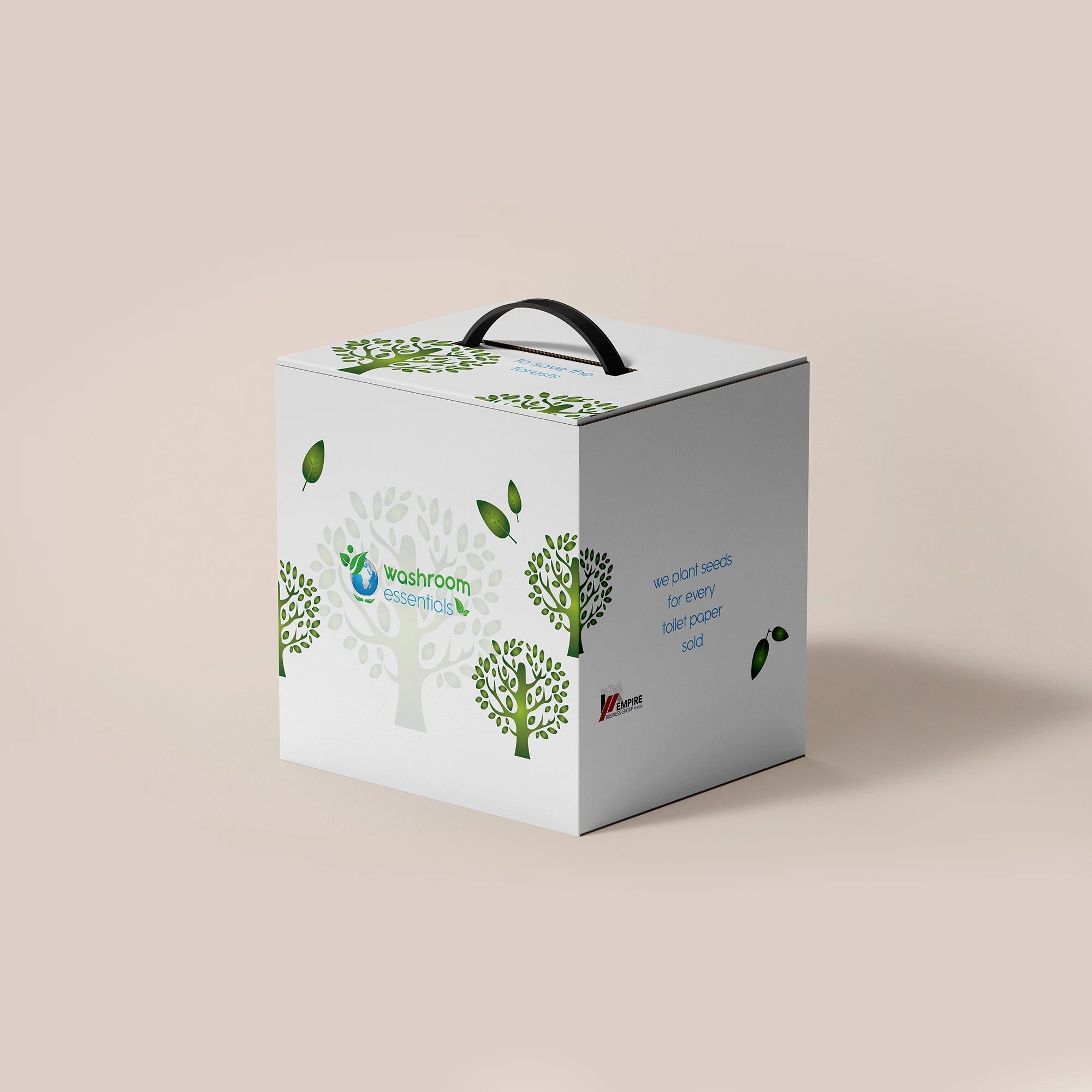
At Washroom Essentials, that balance is exactly what matters. Buyers want toilet paper that performs properly, arrives reliably and supports a better outcome beyond the bathroom door.
When you are choosing between recycled and virgin, the smartest decision is rarely the loudest claim on the packaging. It is the product that suits your space, meets your standards and makes everyday purchasing feel a little more considered.