
Eco Procurement Trends for Facilities in 2026
A facilities budget can look under control on paper, then blow out fast when stock runs short, deliveries become irregular, or cheaper products create more waste than expected. That is why eco procurement trends for facilities are getting practical attention from office managers, cleaners, hospitality operators and property teams across Australia. This is no longer just about looking greener. It is about buying everyday essentials in a way that protects supply, controls whole-of-use cost and supports cleaner operations.
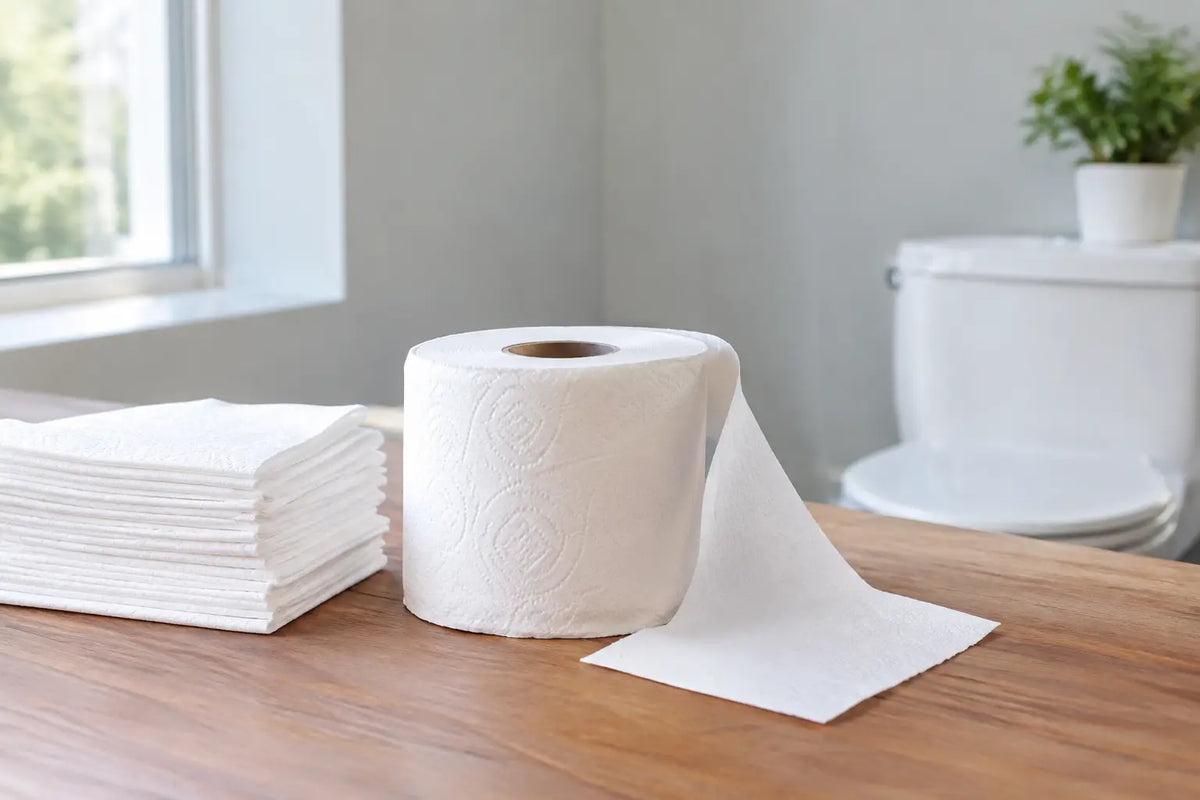
For facilities teams, washroom supplies are a good example of this shift. Toilet paper, hand towels, facial tissues and dispensers are high-frequency purchases. Small changes in product choice, carton sizing, packaging and supplier reliability can have a noticeable impact on spend, storage, labour and waste. The smartest buyers are not treating sustainability as a separate goal anymore. They are building it into procurement decisions from the start.
Why eco procurement trends for facilities are becoming mainstream
A few years ago, sustainable procurement could still be treated as a nice extra in many organisations. Now the pressure is more direct. Tenants, guests, staff and customers are paying attention to what businesses buy. Internal ESG targets are flowing down into day-to-day purchasing. At the same time, cost pressure has not gone away, so procurement teams need options that work commercially.
That combination is changing the brief. Facilities buyers are being asked to source products that reduce environmental impact without creating operational headaches. If a product is certified, recycled or made from renewable fibres but arrives late, performs poorly or needs constant replacement, it will not last in the system. The market is rewarding products that do both jobs well - practical performance and a clearer sustainability outcome.
In washrooms, that often means moving away from the old false choice between quality and responsibility. Buyers increasingly expect both. They want paper goods that are soft, reliable and presentable, but also responsibly sourced, made from recycled or bamboo materials, or backed by recognised environmental standards.
The move from cheapest unit price to real value
One of the biggest procurement shifts is the move away from buying on unit price alone. Facilities managers know the cheapest carton is not always the lowest-cost option once usage, maintenance and refill frequency are considered.
A hand towel that dispenses poorly can drive overuse. A low-grade toilet paper can increase consumption because users take more. Poor fit between dispensers and consumables can create jams, mess and extra labour for cleaning staff. In other words, the invoice tells only part of the story.
Eco-focused procurement is helping buyers think more broadly about value. Better paper quality, more efficient dispensing and fit-for-purpose pack sizes can reduce total usage and service time. That can make a sustainably made product the more commercial choice, not the premium indulgence.
This is especially relevant for sites with steady traffic such as offices, schools, cafés, hotels and commercial buildings. When turnover is high, small inefficiencies repeat all day. Better procurement decisions are easier to justify because the savings show up in use, not just in the purchase order.
Certifications matter, but only when they are useful
Another clear trend is more scrutiny around environmental claims. Buyers are less willing to rely on vague language on packaging. They want to know what sits behind terms like recycled, sustainable or eco-friendly.
That is where recognised certification has become more important. For facilities teams, certification helps reduce risk and saves time. It gives procurement a clearer basis for comparing options and supports reporting where sustainability commitments need evidence.
That said, certifications are not a shortcut to a perfect decision. A certified product may still be the wrong fit for a site if the format is inefficient, the lead time is inconsistent or the product quality does not suit the setting. A premium hotel bathroom, a suburban office and a construction site amenities block all have different expectations. Good procurement still depends on context.
The practical approach is to treat certification as one filter among several. It matters, but so do product performance, carton value, storage efficiency and supplier reliability.
Facilities are buying for continuity, not just compliance
Supply reliability has become part of sustainable procurement in a very real way. If a greener option cannot be supplied consistently, facilities teams often fall back to whatever is available at short notice. That usually means rushed ordering, higher freight costs and less control over specifications.
This is why more buyers are consolidating routine consumables with dependable suppliers that can handle repeat ordering, bulk volumes and direct delivery. It reduces procurement friction and lowers the chance of emergency substitutions.
For eco procurement trends for facilities, this is an important development. Sustainability works better when it is built into repeat purchasing habits. If a business can standardise on quality recycled toilet paper, FSC-certified tissues or bamboo-based paper goods, and know those lines will stay available, the environmental benefit becomes operationally stable rather than occasional.
In practice, that can matter more than making a one-off green purchase. Consistency is what changes the long-term footprint of a facility.
Packaging and delivery are getting more attention
Facilities buyers are also looking past the product itself and asking harder questions about packaging and logistics. That makes sense. A product with strong environmental credentials can still create unnecessary waste if it is overpacked or shipped inefficiently.
Bulk and carton purchasing has become part of the answer for many sites. Ordering the right volume at the right interval can cut down on frequent deliveries, reduce outer packaging and create more predictable stock control. It also saves staff time, especially for businesses that do not want to keep reordering basic consumables every week.
There is a balance to strike here. Buying too much can create storage issues, damage stock rotation and tie up cash. Buying too little increases admin and delivery frequency. The more mature approach is to match order size to actual usage patterns, available storage and supplier lead times.
That is where online procurement is quietly improving outcomes. Facilities teams can reorder faster, track common items more easily and standardise approved products across locations. Convenience is not separate from sustainability here. It supports it.
Product substitution is becoming more strategic
Another trend shaping facilities procurement is the willingness to review the product mix, not just the supplier list. Buyers are asking whether a more sustainable substitute can work without compromising the user experience.
In washrooms, common substitutions include moving from virgin fibre products to recycled content, switching selected ranges to bamboo, or replacing mismatched dispensers and refills with more efficient systems. These are not flashy changes, but they are often the ones that stick because they solve practical problems while improving environmental outcomes.
Still, substitution needs care. What works in an executive office or boutique accommodation setting may not suit a warehouse or high-volume public venue. Softness, absorbency, appearance and refill intervals all matter. A good procurement decision takes the site standard seriously instead of forcing the same solution everywhere.
That is why trialling matters. Testing a product in one section of a building or one venue before a wider rollout can prevent costly mistakes. It also helps bring cleaners, staff and site managers into the decision, which usually leads to better long-term adoption.
Supplier values are now part of procurement value
Facilities buyers are not only comparing products anymore. They are comparing the businesses behind them. Environmental positioning, ethical sourcing, community contribution and transparency are becoming part of supplier evaluation.
This does not mean every buyer wants a long sustainability report. Most want something simpler - clear product information, dependable service and evidence that the supplier is taking responsibility seriously. If that is backed by practical benefits like strong stock availability, fair pricing and direct delivery, it becomes commercially compelling.
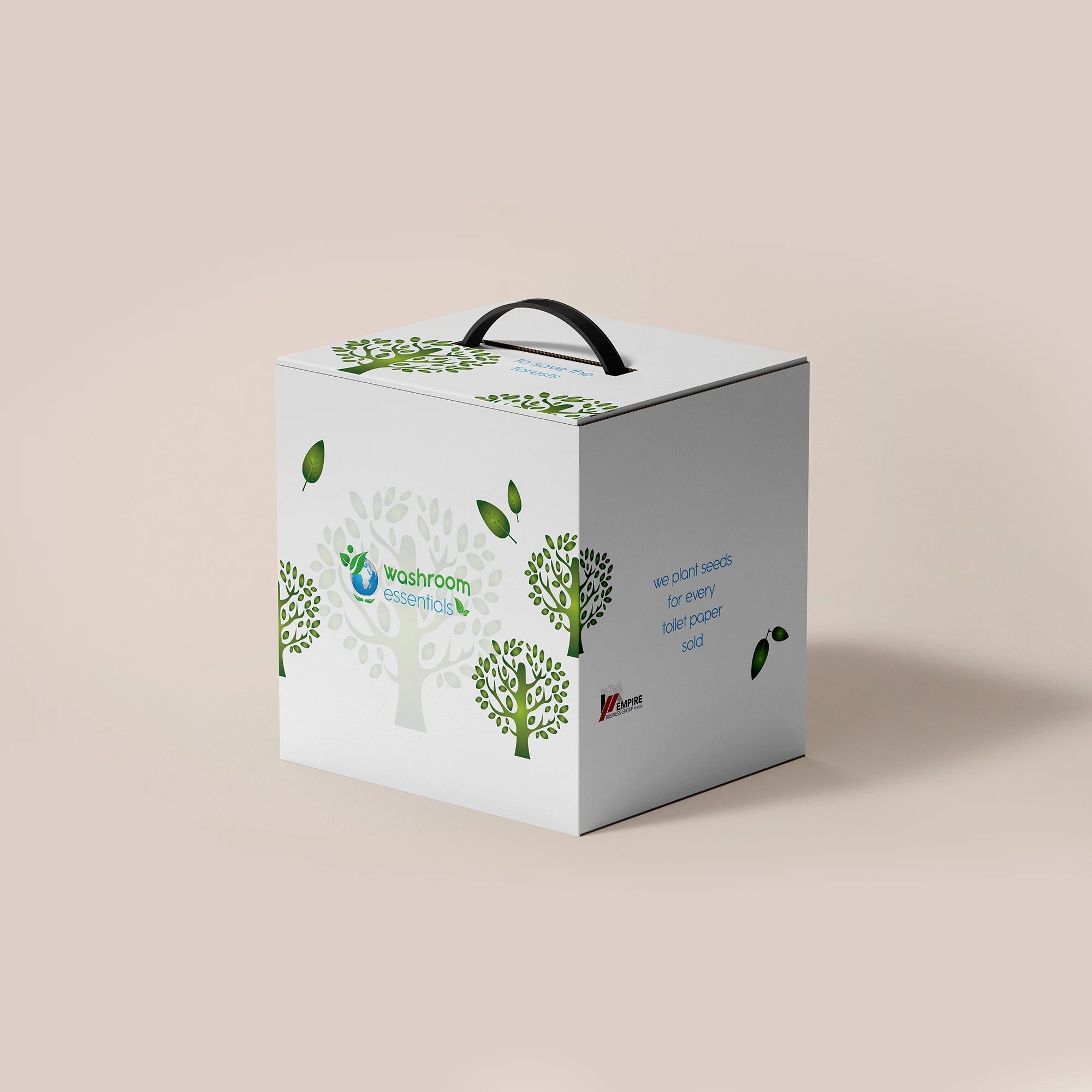
For many Australian organisations, there is also growing interest in making routine purchases do more than fill shelves. Buying essentials from suppliers that support tree planting, reduce environmental impact or contribute to local communities can help procurement reflect organisational values in a tangible way. That matters most when the products are already items the business needs every day.
What this means for facilities teams right now
The near future of sustainable procurement in facilities is not about dramatic change. It is about smarter standards for everyday buying. More teams will review recurring purchases through a wider lens: product quality, certification, packaging, freight efficiency, dispenser compatibility, stock reliability and supplier ethics.
For washroom and bathroom consumables, that creates a real opportunity. These are repeat-purchase products with measurable usage and visible results. A better specification can reduce waste, support hygiene standards and make procurement simpler at the same time.
For buyers who want practical progress, the first step is usually not rewriting the whole procurement policy. It is checking where high-volume essentials are creating avoidable waste, admin or inconsistency, then choosing better options that staff can live with day after day. That is where sustainable purchasing becomes durable.
At Washroom Essentials, that way of thinking is simple: everyday supplies should be reliable, quality-assured and easier on the environment without making procurement harder. When that balance is right, eco purchasing stops being a separate initiative and starts becoming the standard way a facility runs.